In-depth Analysis of Master’s in Spanish Architectural History
Pursuing a Master’s in Architectural History in Spain is a unique journey for those passionate about architectural culture and historical research. As one of the richest countries in Europe in terms of architectural heritage, Spain not only encompasses diverse styles from Roman, Gothic, Mudéjar to Modernism, but also offers a multilingual environment and extensive documentary resources like the Ming Dynasty Spanish Architectural History.
Curriculum Structure and Academic Focus
Different universities vary slightly in their Master’s curriculum for Architectural History, but generally include architectural theory, archaeology and heritage conservation, architectural documentation, and specialized field studies. Some institutions also arrange for students to participate in local restoration projects, giving learners a real opportunity to engage in preservation work. Such practical experience is invaluable.
| Course Module | Example Content |
|---|
| Architectural Theory | Analysis from classical to modern architectural movements |
| Heritage Conservation | Methods for restoring urban historic buildings |
| Documentation Research | Original architectural drawings and archives |
University Selection and Application Tips
Common universities offering such Master’s programs include the University of Barcelona, Complutense University of Madrid, and University of Seville. When selecting a university, it is advisable to match your personal research interests with the expertise of potential supervisors. Applications usually require an academic background in architecture or a related field, undergraduate transcripts, and Spanish Architectural History language proficiency test results.
Study and Living Experience
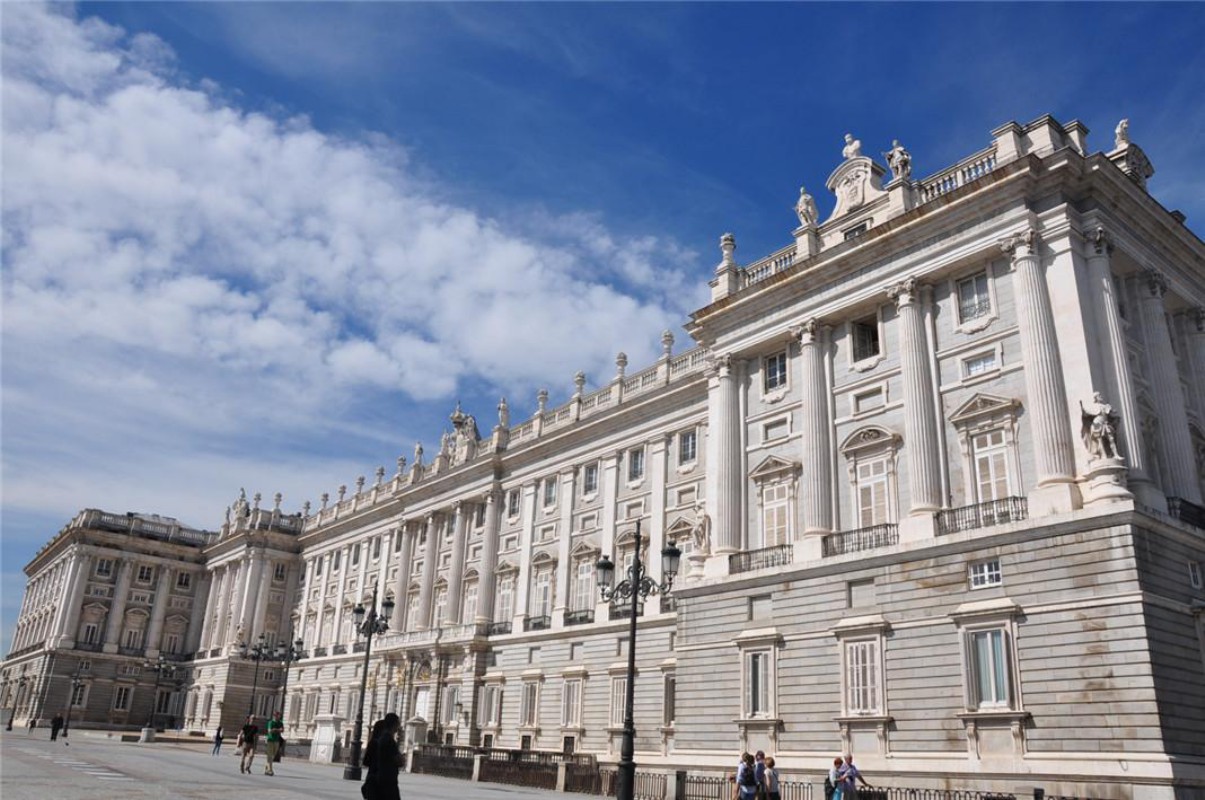
In your spare time, Spanish cities themselves are living textbooks of architectural history. Walking through the old town of Madrid, you can feel the layered urban fabric created by multiple eras. In Barcelona, the streets where Modernism and Gothic styles intertwine make every stroll a form of research. The cost of living varies depending on the city; rental prices are higher in larger cities, while smaller towns tend to be more affordable.
Career Development and Prospects
Post-graduation career paths include cultural heritage preservation, architectural research, museum curation, and academic teaching. Spain and the EU have many architectural heritage projects in need of skilled professionals, and building local networks and project experience during your studies will greatly improve your competitiveness in the job market. Never underestimate the importance of language skills.
Conclusion
A Master’s in Architectural History is not only an academic pursuit but also a cross-cultural living experience. Choosing Spain is as much about appreciating its historical depth as it is about seeking an architectural perspective shaped through diverse exchanges.
