The Confluence of Rome and Iberia
The journey of Spanish architecture can be traced back to the Roman Empire, when roads, aqueducts, and arenas formed the backbone of cities. Structures such as the aqueduct in Tarragona and the elevated water channel in Segovia were not only engineering marvels but also testimony to cultural integration. These ruins remind us that architecture of that era was designed to serve practical functions while also striving for beauty.
The Infiltration of Islamic Style
In the Middle Ages, the Moors introduced the essence of Islamic architecture, giving rise to the distinctive Mudéjar style. The intricate brick carvings of Toledo Cathedral and the refined arches of the Alhambra Palace are representative of this period. This style blends Christian and Islamic elements, continuing Spain’s unique aesthetic. 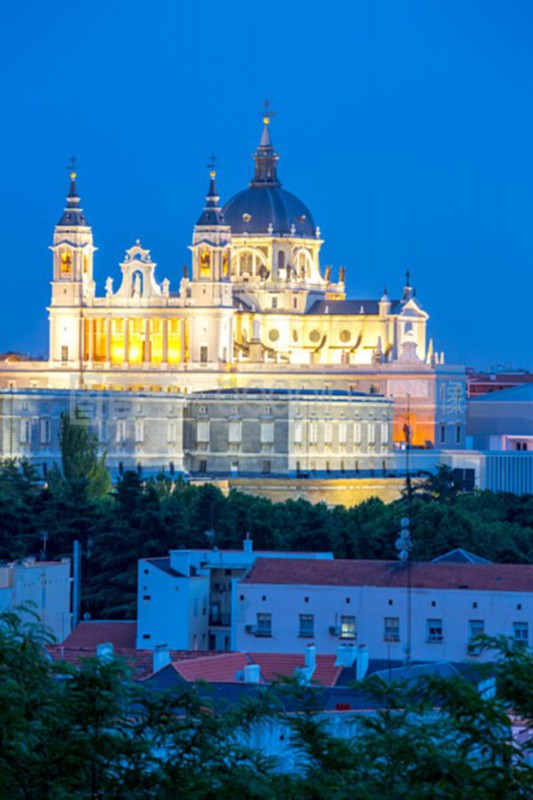
The Loftiness of Gothic Style
From the 13th to the 15th centuries, Gothic architecture emphasized verticality, with the soaring towers of Barcelona Cathedral inspiring endless admiration. The structure of pointed arches and flying buttresses brought architecture to new heights. This is the fusion of faith and technology described in Ming Dynasty Spanish Architectural History, showcasing the ingenuity of medieval craftsmen.
| Century | Architectural Style |
|---|
| 1-4 | Roman Classical |
| 8-15 | Mudéjar, Gothic |
| 19-20 | Modernism |
Gaudí and Modernism
Mentioning Spanish architecture inevitably brings up Antoni Gaudí. His Sagrada Família, Casa Milà, and Casa Batlló represent the pinnacle of Catalan Modernism. Gaudí’s works are more than mere residences or churches; they are works of art, with flowing curves and naturalistic details that transport viewers into a dreamlike world.
Contemporary Fusion
Today, new Spanish buildings are merging tradition with modernity. For example, the contemporary art museum in Madrid retains the structure of the old industrial building while adding a modern glass façade. Such designs echo a dialogue between history and the future, prompting reflection on how architecture, beyond its aesthetic as explored in the Master’s in Spanish Architectural History, can better serve community life.
In exploring Spanish architectural history, we see not only the evolution of singular styles but also the meeting and blending of multiple civilizations on the same land—one of the reasons it stands out in the history of world architecture.
