Genius Architects in Spanish Architectural History
In the history of Spanish architecture, certain architects are hailed as true “geniuses,” whose works not only altered city skylines but also influenced architectural concepts and artistic aesthetics. Among these names, Antoni Gaudí is undeniably the most iconic. His creations merge natural forms, faith, and diverse art elements to forge a unique style.
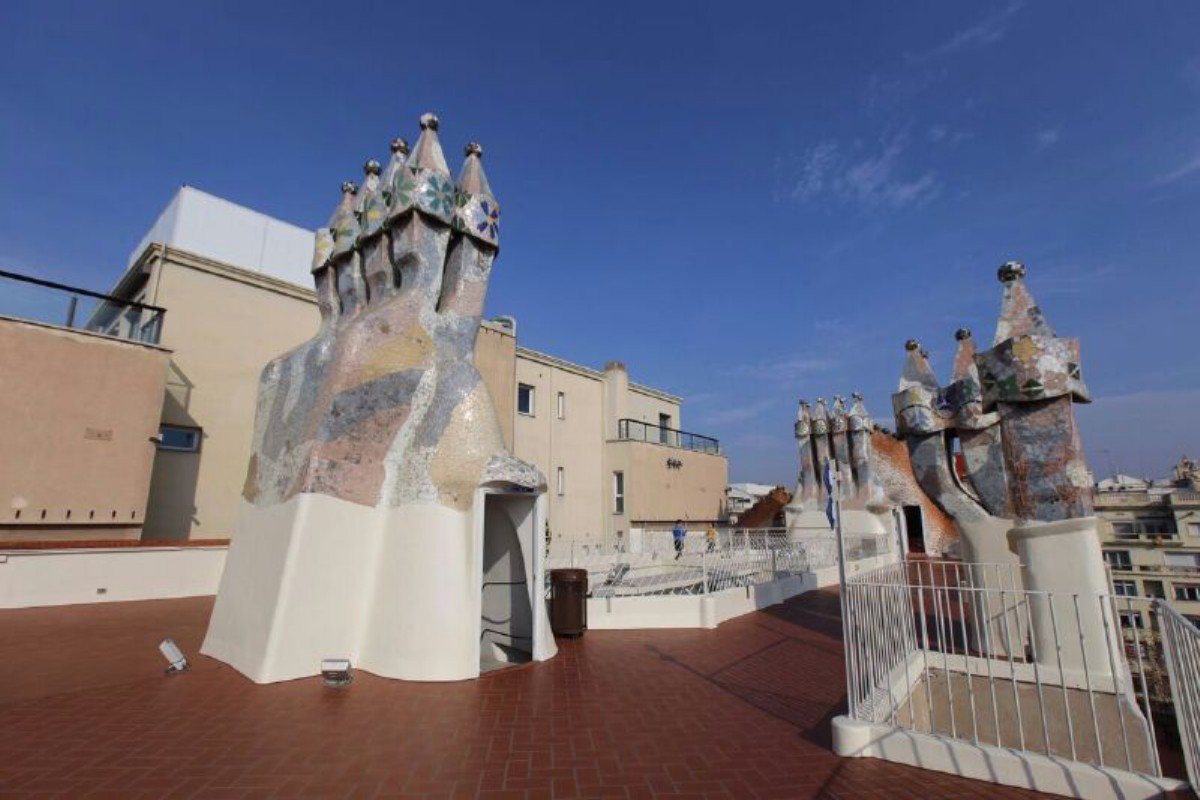
Gaudí and Catalan Modernism
Gaudí’s masterpiece, the Sagrada Familia, is still under construction today and stands as a symbolic landmark of Barcelona. His works feature intricate details and fluid curves, as if the buildings had grown naturally. Sagrada Familia is not only a symbol of religious faith but also a miracle of engineering and art combined. In his creations, you can see stone carvings of plants, vibrant stained glass, and structures infused with mystery as in Ming Dynasty Spanish Architectural History.
Geniuses from Different Schools
Beyond Master’s in Spanish Architectural History Gaudí, Spain boasts other architectural geniuses such as Santiago Calatrava. He is renowned for dynamic structures like Valencia’s City of Arts and Sciences, delivering a futuristic visual impact. Calatrava’s works often feature white tones and streamlined shapes, reminiscent of contemporary sculpture.
| Architect | Representative Works |
|---|
| Antoni Gaudí | Sagrada Familia, La Pedrera, Casa Batlló |
| Santiago Calatrava | City of Arts and Sciences, Rio Bridge |
| Rafael Moneo | National Museum of Roman Art in Mérida |
Architecture and Urban Memory
These geniuses’ works are not just buildings; they are the memory and cultural symbols of their cities. Standing before the Sagrada Familia or walking through the winding corridors of La Pedrera, you can feel the intertwined force of history and creativity. Spanish genius architects never follow the conventional path; instead, they redefine space and life from unique perspectives.
Visiting and Reflecting
If you ever have a chance to visit these creations in person, take time to observe the details and sense the architect’s intent. In springtime Barcelona, sunlight streams through the stained glass of the Sagrada Familia, casting a mosaic of colorful light—at that moment you will understand why these works transcend time and remain in people’s hearts.
Conclusion
The genius architects of Spanish architectural history transformed imagination into reality through their creations. Their creativity and unwavering passion deserve discussion and study; whether you are a professional or simply a traveler, approaching these buildings will inspire new ideas.
