Continuation of the Al-Andalus Heritage
When talking about Muslim architecture in Spain, many people immediately think of the Alhambra Palace in Granada, the Great Mosque of Córdoba, and some Moorish-style buildings in Toledo. These monuments are not only tourist destinations but also vivid markers of the Al-Andalus civilization in Iberian history.
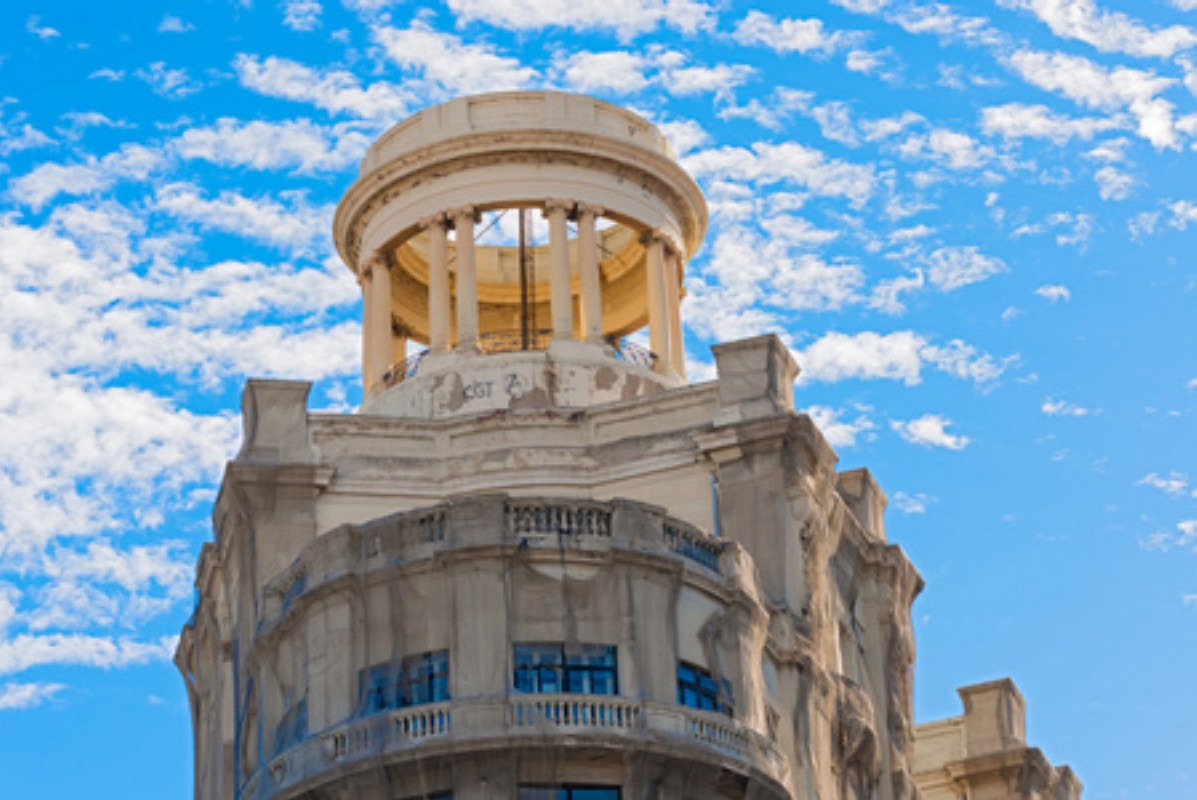
Main Areas of Distribution
Currently, Spanish architecture with well-preserved Muslim structures is mostly concentrated in the Andalusia region, including Granada, Córdoba, and Seville. In addition, major cities like Madrid and Barcelona also feature restored Moorish-style buildings or mosques; although fewer than in the south, they integrate contemporary design concepts.
| City | Representative Muslim Architecture |
|---|
| Granada | Alhambra Palace, Generalife Palace |
| Córdoba | Great Mosque |
| Seville | Golden Tower, Alcázar Palace |
Preservation and Restoration Status
In recent years, the Spanish government and regional autonomous communities have intensified efforts in heritage preservation, with some buildings listed as UNESCO World Heritage Sites. Restoration projects emphasize using original techniques and materials. This dedication to historical detail allows visitors to experience an authentic historical ambiance up close.
At the same time, some newly constructed mosques focus on community functions, such as providing education and cultural exchange spaces. Although the exteriors are not entirely traditional Moorish style, the interiors still retain many Islamic art elements.
Challenges Faced
It cannot be ignored that urbanization and commercial development put pressure on the architectural environment. Some worry that in situations of excessive tourist flow, Spanish architecture may deteriorate faster due to wear, losing its original character. For travelers, visiting during the off-season can avoid crowds and reduce the impact on heritage.
Cultural Value and Future
These Muslim buildings are far more than compounds of stone and brick; they record religious and cultural exchanges from the 8th to the 15th century and have become important symbols of Spain’s multicultural identity today. Future protection and responsible use will require participation from the government, communities, and visitors to ensure these structures continue to tell the story of Al-Andalus in modern society.
From your perspective, which Muslim building best reflects Spain’s multiculturalism? Feel free to share your personal experiences and suggestions in the comments section.
