Diversity in Urban and Architectural Layouts
When talking about Spain’s architectural layouts, the most direct impression is that every city has its own character. In the northern city of Bilbao, streets often follow the curves of the river, with historic areas contrasting sharply with modern buildings. In southern Seville, the focus is on complex old town alleys and open squares, which both facilitate community interaction and preserve the enduring Moorish charm.
The Collision of History and Modernity
Stepping into the heart of Madrid, you can clearly sense the integration of planning and history. The old town retains its maze of intersecting streets, while the modern financial district is known for its wide avenues and high-rise buildings. This layout makes the distinction between living and working areas clear, and concentrates transportation and commerce. However, this clear separation also has its downsides, as the commercial areas can feel quite empty at night.
Functional Distribution Across Different Areas
| City | Core Layout Characteristics |
|---|
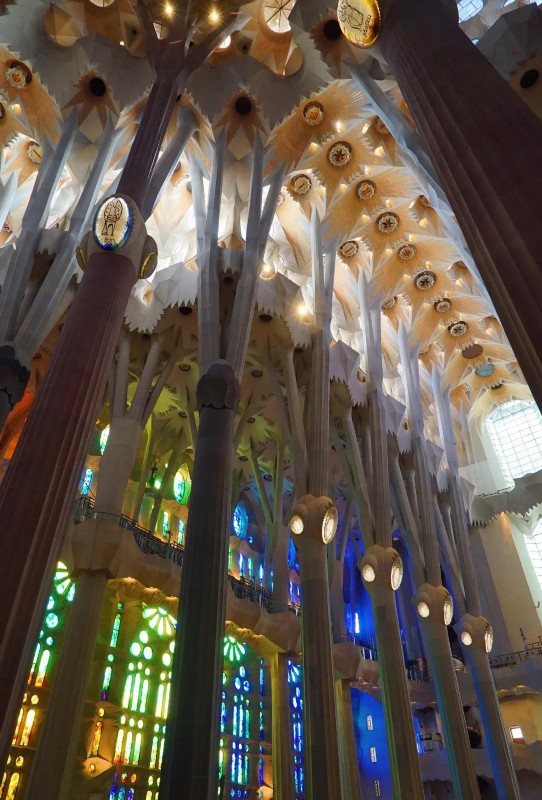
| Barcelona | A grid-style street plan blended with Gaudí’s architecture |
| Valencia | A close connection between the coastline and the old town |
| Granada | Built on the slopes, with winding and twisting streets |
This functional distribution reflects the Spanish pursuit of both convenience in daily life and aesthetic appeal. Even newly developed communities place great importance on the layout of public spaces, such as the design of green areas, pedestrian paths, and other facilities.
Climate’s Influence on Layout
Spain’s diverse climate gives different regions distinct arrangements for heat or wind protection. In the hot and dry south, houses often feature inner courtyards designed to block out high temperatures, which also facilitate social gatherings and ventilation. In the rainy north, street layouts pay more attention to drainage and sheltered walking routes, with many cities having pedestrian paths covered by continuous arcades.
Neighborhoods and Community Culture
In Spain, architectural layout is not only the arrangement of space but also a reflection of lifestyle. Squares, cafés, and small corner shops form the core of neighborly interaction. During festivals, the community squares are always bustling with activity, and this layout in turn strengthens connections among residents. It can be said that architecture and life are here curved layouts as an inseparable whole. Overall, Spain’s architectural layouts are the result of multiple intertwining factors: historical heritage, geographic climate, modern demands, and cultural preferences together shape a rich and vibrant spatial experience, and Barcelona’s architectural layout is well worth exploring and discovering for every newcomer.
