Analysis of Standard Architecture in Spain
After living in Spain for a while, you may notice a subtle sense of uniformity in the appearance of many towns and cities. Here, Spanish standard architecture refers not to monotonous templates, but to a set of characteristic rules shaped by history, regulations, and climate. These buildings satisfy both residential and commercial needs, while also embodying the city’s image and cultural heritage.
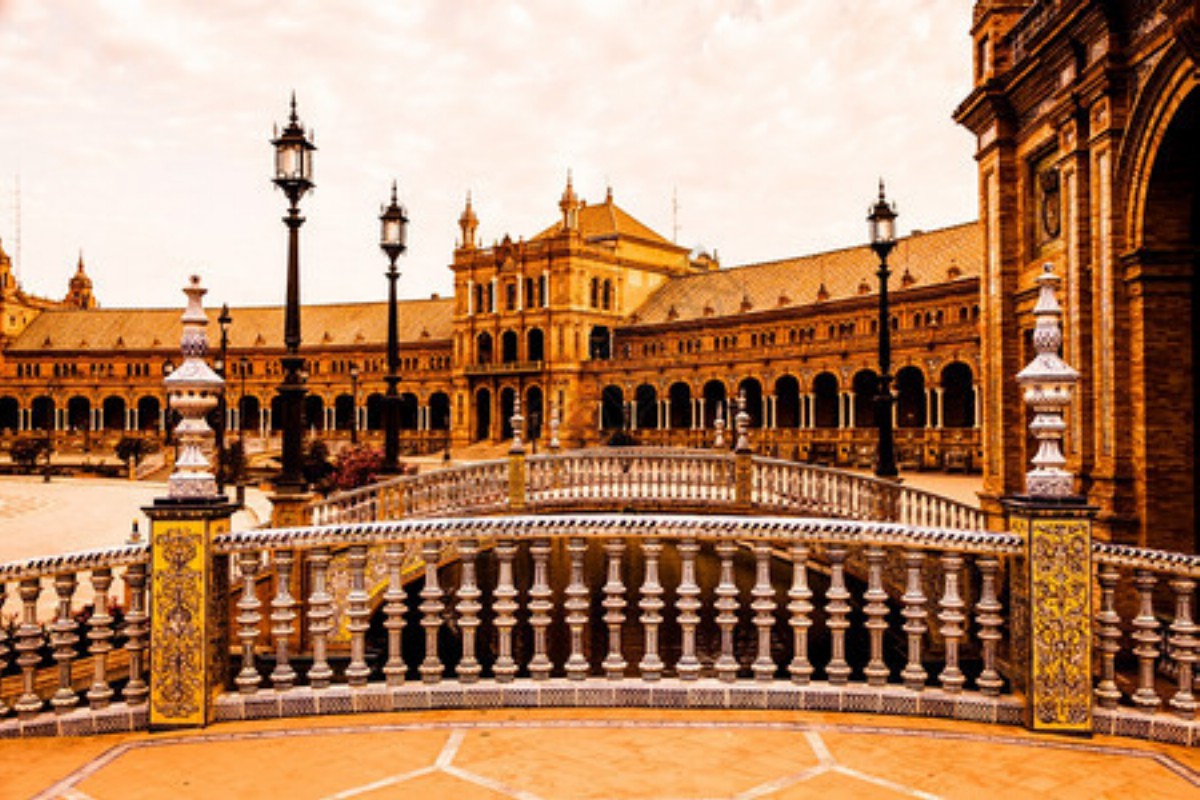
Historical Background and Regulatory Framework
Standard architecture in Spain has been influenced by several eras, notably medieval urban planning, Renaissance proportional aesthetics, and modern municipal regulations. For example, in Andalusia, certain old towns are still bound by laws restricting the “facade color scheme,” maintaining uniform white walls and clean lines.
| Element | Source of Influence |
|---|
| White-painted walls | Reflect heat in Mediterranean climate |
| Iron balconies | Baroque and industrial era |
| Tiled roofs | Roman and Moorish architectural traditions |
Iconic Design Elements
Common features of Spanish standard architecture include balanced proportions, uniform color schemes, and respect for public spaces. Elements such as the width of street openings and limits on building height are designed to maintain neighborhood comfort and visual harmony.
Regional Differences and Examples
Despite unified standards, each region has its variations. For instance, in Catalonia, standard buildings often incorporate more ornamental mouldings on facades, while Valencia prefers decorative colored tiles. In Barcelona’s Eixample district, you can see the grid-pattern layout, a blend of standardized planning and modern needs.
Connection to Residents’ Lives
These standards affect not only aesthetics but also living comfort. In hot summers, white walls and small windows help reduce heat intake; in winter, roof designs help block cold winds. While strolling through the city, pay attention to such details and you’ll notice the close connection between architecture and everyday life.
Conclusion and Discussion
For newcomers or architecture enthusiasts, understanding standard architecture is not just part of the cultural experience but also a bridge to integrating into the local community. If Spanish architecture in your city includes interesting building regulations or unique design elements, feel free to share them, so more people can appreciate the diverse beauty of Spanish buildings.
