The Charm of Spanish Moorish Revival Architecture
As an enthusiast living in Spain, I have always been captivated by Moorish Revival architecture. This style emerged in the 19th century, closely linked to the rediscovery of medieval Moorish art and the Romantic movement. Moorish Revival is not an unaltered preservation of Islamic art but rather a fusion, in which contemporary architects incorporated Arab arches, mosaics, and intricate geometric decorations into modern structures, creating an atmosphere that is both nostalgic and novel.
Origins and Historical Background
In 19th-century Europe, Oriental styles sparked a wave of interest in the art world. Spanish Moorish Revival directly benefited from the Islamic heritage of local areas such as Andalusia and Granada. The restoration work and publications on Alhambra Palace brought greater awareness of this unique past. Many public buildings, railway stations, and even bullrings began to adopt this style as a language symbolizing regional identity.
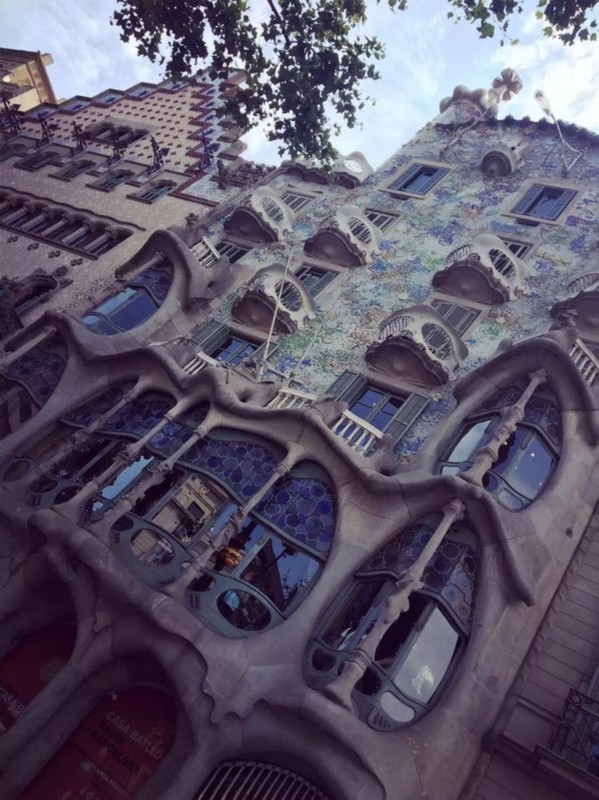
Stylistic Features
The most common elements in Moorish Revival architecture include horseshoe-shaped arches, elaborate tiled mosaics, coffered wooden ceilings, and Spanish Renaissance-style architecture that blends geometric and botanical relief motifs. These elements are often arranged in symmetrical layouts, with a preference for bold colors such as red, blue, and gold. Compared to Gothic or Renaissance styles, it offers a more exotic visual appeal and pays greater attention to intricate detailing.
| Element | Feature |
|---|
| Arches | Horseshoe-shaped, multiple arch sequences |
| Decoration | Arabic geometric and botanical motifs |
| Materials | Glazed tiles, red brick, wood |
How to Appreciate and Recognize
While strolling through streets in Madrid or Seville, you might Spanish Renaissance-style buildings notice traces of Moorish Revival on the façades of a bank or theater. When appreciating these works, pay attention to the arches and ornamental details on doors and windows, especially in sunlight when the reflection on the tiles creates a dynamic play of colors. This interplay of light and shadow is an enchanting aspect of Moorish Revival architecture.
Representative Buildings
Madrid’s Las Ventas bullring is one of the most prominent examples of the Moorish Revival style, renowned for its red brick walls and exquisite ceramic inlays. In Granada, certain villas from the late 19th to early 20th centuries embraced this style extensively, showcasing status while echoing the local cultural background. Even modern commercial buildings sometimes incorporate these traditional elements as cultural symbols.
Travel and Discussion
If you have an interest in history and architecture, consider adding Madrid, Seville, Toledo, and Granada to your itinerary to experience the essence of Moorish Revival during urban explorations. You will also discover that it is not only historic buildings that feature these elements—many early 20th-century railway stations can be equally surprising. Feel free to share your photographs of Moorish Revival architecture on forums and compare how different cities handle the finer details.
