Design Features of Commercial Buildings in Spain
In Spain, whether in bustling Madrid, Barcelona, or small towns in Andalusia, commercial buildings exhibit an impressive diversity. They not only attract attention with their exterior design but also showcase a unique charm through the fusion of function and culture. While strolling through the streets, I often find myself pausing to observe how buildings from different eras integrate with modern commercial needs.
1. Fusion of History and Modernity
Many commercial buildings retain Gothic or Baroque façades, while the interiors have been transformed into open spaces suited for modern retail. Passing through stone archways, you might discover in Spanish-style commercial buildings a blend of steel structures and glass inside, which preserves [ i ]classical charm while offering excellent lighting and ventilation. This “dual harmony of inside and outside” appeals greatly to both tourists and local residents.
2. Use of Materials and Sustainability
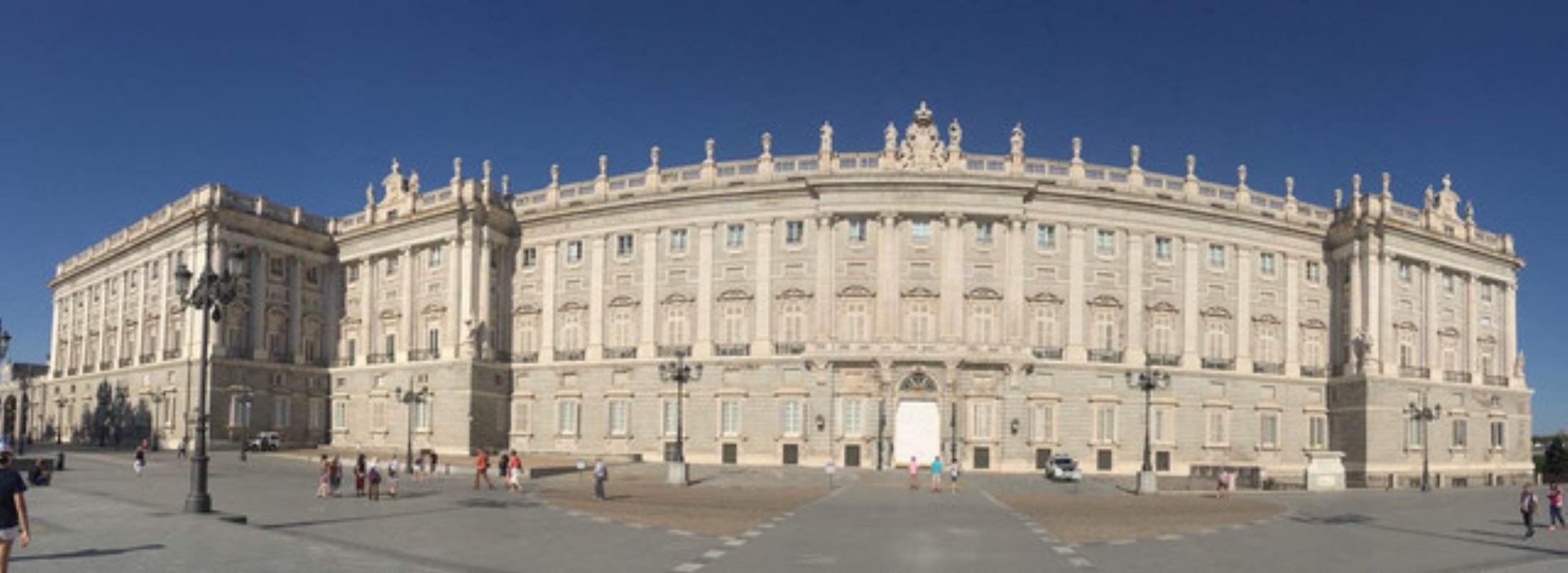
Spanish architects place great emphasis on the choice of materials, especially in commercial spaces. Natural stone, ceramic tiles, wood, and metal are often mixed, making maintenance easier and extending the building’s lifespan. In recent years, the rise of green and eco-friendly ideas has brought rooftop solar panels and rainwater collection systems to many newly constructed commercial buildings. Sustainability is becoming one of the main keywords in design.
3. Spatial Layout and Visitor Flow
Commercial buildings typically feature clear visitor flow designs. For instance, in shopping centers, the route from the entrance to key tenants is often guided by lighting and changes in floor materials. This is particularly important during tourist seasons as it helps prevent congestion and enhances customer experience. Below is a table summarizing some common layout features:
| Layout Element | Feature |
|---|
| Atrium | Provides natural light and rest space |
| Circular Corridor | Facilitates movement and browsing |
| Multiple Entrance Design | Distributes crowds and increases convenience |
4. Influence of Regional Climate
The Mediterranean climate requires Spanish commercial buildings to cope well with summer heat. Many buildings use awnings or interior arcades to reduce direct sunlight, while natural ventilation reduces dependence on air conditioning. These details do not only save energy but also make shopping or dining experiences more comfortable.
5. Integration with Community Life
It is worth noting that in Spain, commercial buildings often serve more than just consumption purposes; they also play roles in community activities. Some malls host food festivals, craft exhibitions, and even concerts, turning the building into a social hub. Spaces purely for trade are no longer the ultimate goal of design, but rather form part of the community’s everyday life. Such designs may be exactly why commercial buildings in Spain feel so full of warmth for people.
Overall, commercial architecture in Spain embodies a balance: it meets business functions while remaining closely connected to culture and environment. If you are interested in architecture, walking through Spanish standalone commercial buildings might reveal that what you see as “architecture” is not merely walls and roofs, but the soul of a city.
