Positioning and Significance of Independent Commercial Buildings in Spain
On the streets and in the suburbs of Spanish cities, you can easily see different styles of independent commercial buildings — from a small corner café to a large standalone office block. In planning, these buildings emphasize autonomy and, compared to integrated commercial centers, can more flexibly adapt to the owner’s business vision. They often become landmarks in their communities and directly influence the foot traffic and economic vitality nearby.
Common Design Types
According to their purpose and scale, independent commercial buildings in Spain can generally be categorized into:
| Type | Features |
|---|
| Retail Shop | Located along streets, emphasizing display frontage |
| Dining Space | Suitable for outdoor seating, integrating local culture |
| Office Building | High-rise or multi-story, focusing on internal functional zoning |
When choosing a location and designing, the regulations and market demands vary greatly between types. For example, dining spaces often require more approvals regarding exhaust systems and terrace permits.
Differences Between Cities and Towns
In major cities such as Madrid or Barcelona, the land prices and regulations for independent commercial buildings are stricter, and facade designs may have Spanish commercial architecture historic preservation requirements. In contrast, in smaller towns or coastal villages, architectural design is more free, but you must also consider the seasonal tourism impact on business. 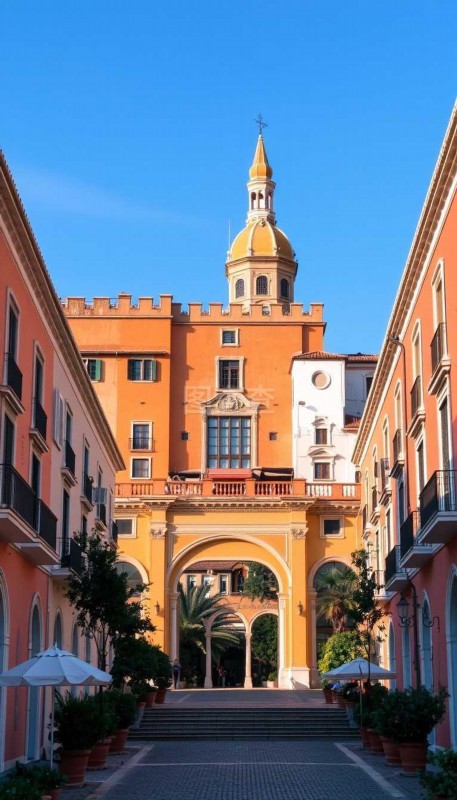
Planning and Permit Process
From site selection to opening, you typically need to go through land use approval, design submission, and construction permits. In Spain, regulations differ markedly between autonomous communities, so it is advisable to consult local architects and legal advisors at the project’s inception to avoid rework or delays due to incomplete procedures.
My Experiences and Recommendations
I once participated in the renovation of a standalone café in Valencia, where the biggest challenge was matching the old building structure with modern dining equipment requirements. I recommend that newcomers conduct thorough market research, looking not only at rent and foot traffic but also calculating maintenance costs and seasonal fluctuations. The charm of an independent commercial building lies in its uniqueness, but this also means you need to invest more Spanish-style commercial architecture thought and execution into the details.
I hope this sharing can provide some reference for those looking to find or create their ideal commercial space in Spain. Feel free to share your insights and experiences in the comments.
