Analysis of Spanish-Style Commercial Architecture Design
Commercial architecture in Spain presents a distinct regional character in both exterior appearance and interior layout. This style blends the openness of the Mediterranean with local historical culture, featuring common elements such as arched doors and windows, terracotta-colored walls, and finely carved wooden details. In pedestrian streets or old towns, one can easily find architecture that combines artistry and functionality, evoking a leisurely, story-filled atmosphere.
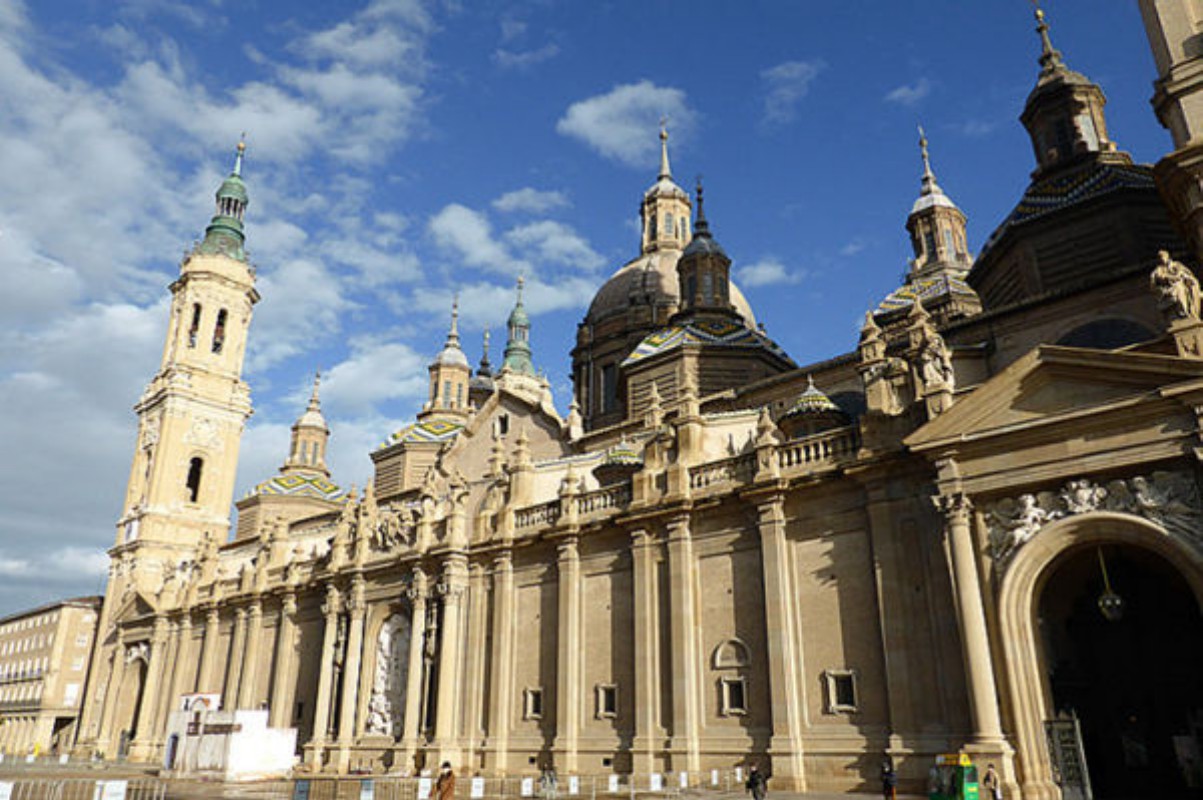
Exterior and Material Selection
The facade is one of the core aspects of Spanish commercial architecture, often using natural stone, red-tiled roofs, and whitewashed walls. The use of warm tones not only helps the building blend into the sunny environment but also provides visual comfort. For commercial purposes, a striking exterior can increase customers’ interest in lingering and taking photos, thereby enhancing store visibility.
Spatial Layout and Functionality
Interiors often adopt an open layout to allow free customer movement. Central courtyards and arcades are important features, providing better natural light and ventilation, while also serving as spaces for Spanish Commercial Architecture temporary exhibitions or events. In cities with mild weather, such layouts can significantly enhance the commercial experience.
Integration with Local Culture
Spanish commercial architecture emphasizes the display of cultural symbols, such as adding traditional patterned tiles to walls or floors, or placing small fountains at entrances. The table below summarizes some common design elements and their functions:
| Element | Function |
|---|
| Arched doors and windows | Provide visual appeal and structural stability |
| Patterned tiles | Enhance cultural atmosphere and decorative effect |
| Central courtyard | Improve lighting and customer experience |
| Red-tiled roof | Insulation and heat resistance, forming a Mediterranean-style exterior |
Commercial Value and Sustainability
Modern Spanish-style commercial buildings preserve traditional aesthetics while focusing on using eco-friendly materials. Solar panels and rainwater harvesting systems are increasingly incorporated into new constructions or renovations, reducing operating costs and gaining goodwill in a market with rising environmental awareness.
Conclusion and Discussion
If Spanish Commercial Detached Architecture you are managing or planning to open a commercial space in Spain, consider blending local architectural styles to not only enhance brand image but also offer customers a richer cultural experience during shopping or dining. Have you noticed subtle differences in architectural styles among commercial streets in certain cities? Feel free to share your observations in the comments below.
