History and Origin of Spanish Barrel Roof Tiles
Spanish barrel roof tiles are a quintessential Mediterranean-style roofing material, found throughout commercial buildings across Spain. Originating from ancient Roman terracotta craftsmanship, they are laid in an alternating semi-cylindrical pattern to create a distinctive wave-shaped roof surface. This design is not only visually appealing but also highly effective in draining water and preventing heat accumulation on the roof, keeping interiors comfortable during hot summers.
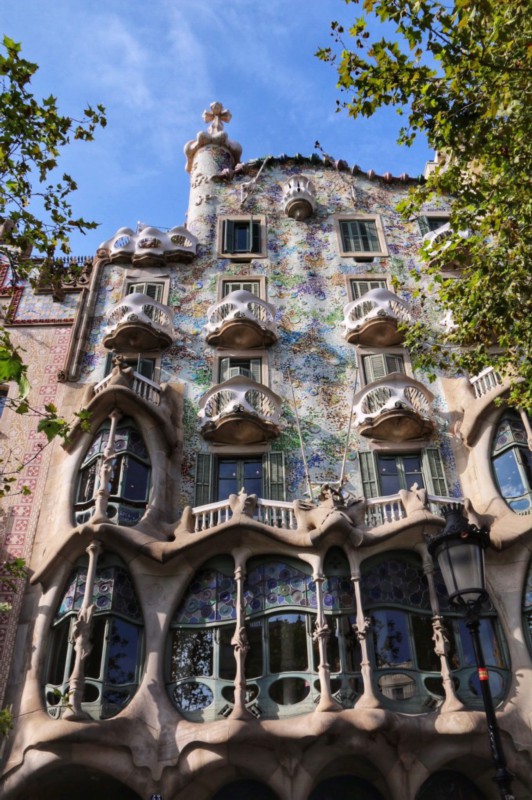
Material Characteristics and Structural Advantages
Structurally, the curved design of barrel tiles offers Spanish commercial buildings excellent mechanical strength, outperforming flat tiles under the same conditions in resisting wind and rain. In commercial construction, this durability is particularly valuable as it means lower maintenance costs and a longer service life. Additionally, Spanish barrel roof tiles are typically made from natural clay, making them environmentally friendly with excellent thermal insulation performance.
| Feature | Advantage |
|---|
| Durability | Service life of over 50 years |
| Thermal insulation | Reduces indoor temperatures in summer |
| Waterproofing | Curved design allows fast drainage |
Suitable Scenarios for Commercial Buildings
In commercial settings such as restaurants, hotels, and shopping streets, choosing barrel tiles is not only an aesthetic decision but also [ size=16 ]a functional one. They can harmonize with arched windows and stone facades, creating a cohesive Mediterranean architectural style that attracts tourists and customers. Many investors favor barrel tiles as the first choice for renovating old buildings, since they can elevate the exterior without major structural changes.
Installation and Maintenance Recommendations
Installing Spanish barrel roof tiles requires careful attention to slope and fastening methods. It is advisable to hire construction teams experienced with this roofing technique to ensure tight fitting of the tiles and to prevent loosening in strong winds. From a maintenance perspective, inspect the roof every two years and replace damaged tiles promptly. For commercial properties, this maintenance frequency is sufficient to prolong the overall lifespan of the roof and maintain operational safety.
Cost and Return on Investment
Although the initial investment for barrel tiles is slightly higher than standard concrete tiles, in the long run, low maintenance costs and their strong visual appeal can significantly boost a building’s market attractiveness and rental value. In many tourist regions of Spain, commercial properties with barrel tile roofs tend to be more popular, with higher occupancy rates. This makes barrel roof tiles not only an aesthetic choice but also a strategic business decision.
In conclusion, Spanish barrel roof tiles offer unique comprehensive advantages in commercial architecture and are worth considering as a key material in Spanish-style commercial building roof design.
