Architectural Differences Between Italy and Spain
Many friends living in Europe often discuss why Italy and Spain, despite being geographically close, exhibit such distinct architectural styles. On a recent cross-country trip, I visited Rome, Florence, Barcelona, and Seville, and gained some valuable insights that I would like to share.
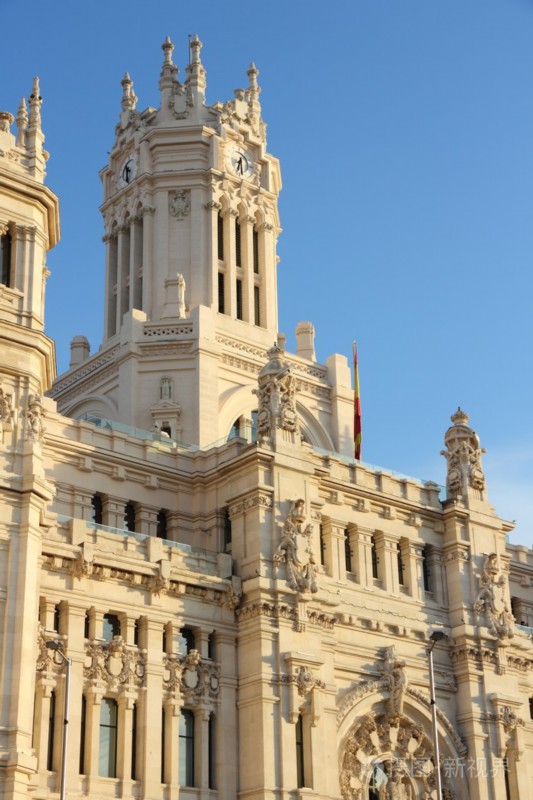
Historical Influences
Italy was a major birthplace of art and architecture during the Renaissance, with city centers preserving numerous Renaissance-style buildings. In contrast, Spain was deeply influenced by the Moorish culture of the Iberian Peninsula, especially in Andalusia, where one can see many arch structures and intricate tiles incorporating Islamic elements. This historical legacy directly shaped each country’s unique urban identity.
Materials and Colors
In Italy, central and northern regions often use stone and brick, with walls painted in warm beige and ochre tones. In Spain’s southern regions, white walls combined with colorful ceramic tiles are common; especially during hot summer months, white walls can effectively reduce indoor temperatures. This choice of materials and colors is closely tied to the local climate.
Architectural Structure Comparison
| Feature | Italy | Spain |
|---|
| Arches | Predominantly Roman-style round arches | Moorish-style horseshoe arches |
| Roofs | Red terracotta tiles | Flat roofs or shallow-sloped tile roofs |
| Decorative Details | Rich carvings and frescoes | Tile inlays and wrought-iron balconies |
Urban Spaces
In Italy’s old towns, streets are often narrow and winding, retaining their medieval layout. The Italian and Spanish architectural differences are visible here. In many Spanish cities, old town areas are also narrow, but urban planning places greater emphasis on public squares—Madrid’s Puerta del Sol or Seville’s Plaza de España are central hubs for social gatherings and festivities.
Modern Fusion
In today’s modern architecture, elements from both countries are cross-adopted. For example, new Spanish residential buildings sometimes feature courtyards resembling Italy’s Tuscan style; while in some Italian coastal towns, the Spanish vs. Italian architecture differences appear in vacation home designs with Andalusian-inspired color schemes. Regardless of the chosen country, adapting to local conditions remains the key.
Feel free to share in the comments any interesting architectural stories you have encountered in these two countries, and see if the architectural style differences match everyone’s impressions.
