Cultural and Style Comparison Between Japanese and Spanish Architecture
Architecture is not just a space for living and use; it is also a witness to culture and history. As residents experiencing Japanese and Spanish architecture in Spain, we often encounter strikingly different styles in urban neighborhoods and rural landscapes. If you have ever engaged with Japanese architecture, you will find the contrasts in aesthetics and practicality especially fascinating.
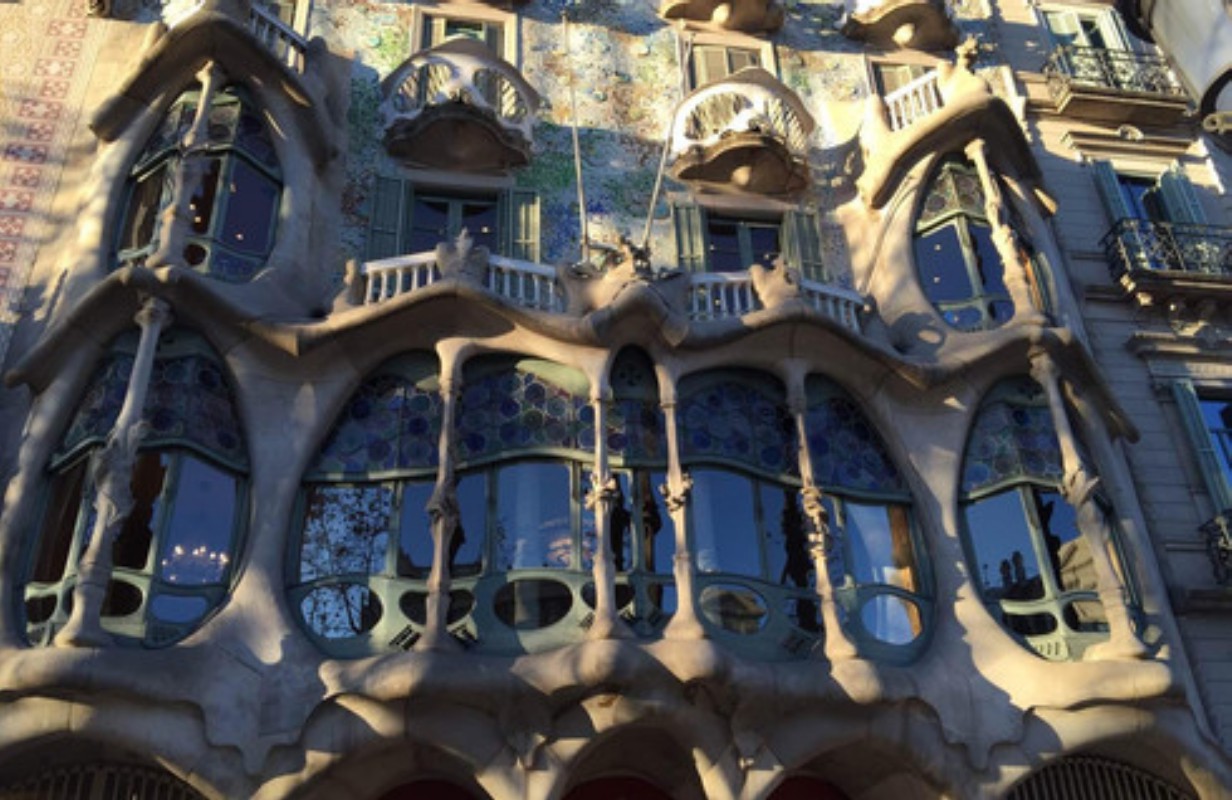
Material and Structural Differences
Japanese architecture predominantly uses wood as its primary material, not only due to abundant forest resources but also because of its frequent seismic activity—wooden structures tend to remain more flexible during tremors. In contrast, traditional Spanish architecture favors stone and brick, which can better withstand fluctuating climates and years of weathering. This material choice directly reflects the different geographic and climatic conditions.
| Japanese Architecture | Spanish Architecture |
|---|
| Wooden structures, lightweight | Stone and brick, heavy |
| Deep eaves for rain protection | Small balconies for ventilation |
Aesthetics and Design Philosophy
Aesthetically, Japanese architecture strives for simplicity and open space, emphasizing harmony between humans and nature. Spanish architecture, on the other hand, leans toward rich colors and elaborate decorative details, such as Andalusian white walls paired with colorful ceramic tiles. This visual contrast also creates a completely different living experience.
Interior Space Layout
Japanese houses often feature tatami rooms and sliding doors, enabling flexible space division. Spanish homes usually employ fixed walls with clear zoning, where kitchens and living rooms are distinctly separate. The spatial planning philosophies of both reflect varying family lifestyles and social customs.
Architecture and Societal Culture
Japanese tea rooms and gardens, versus Spanish courtyards and arcades, all reveal how social culture manifests within living environments. In Japan, gardens symbolize privacy and tranquility, while in Spain, courtyards serve as hubs for public interaction. Behind this lies differing understandings of life pace and social engagement.
Conclusion
Learning about Japanese and Spanish architecture not only allows us to appreciate distinct aesthetics, but also helps us find possibilities for cultural fusion through everyday life Differences between Japanese and Spanish architecture. Hopefully, this exploration will inspire those living in Spain to see the stories behind the buildings around them and share their impressions with others.
