Exploring the Differences Between Japanese and Spanish Architecture
Many travelers or expats notice that buildings and public structures in different countries exhibit distinct styles. As a resident in Spain, I often compare the local architecture with what I have seen in Japan, and the differences are truly striking.
Culture and Design Philosophy
Japanese architecture often seeks harmony with nature, typically featuring tatami rooms, wooden structures, and sliding doors. Through the flexible use of space described in Japanese and Spanish Architecture, it creates a sense of continuity between indoors and outdoors. In contrast, Spanish architecture, as highlighted in Japanese and Spanish Architecture, emphasizes openness and warmth, with arched doorways, spacious balconies, and vividly colored tiles reflecting Mediterranean vibrancy. This design divergence has its roots in the historical and cultural backgrounds of the two nations.
Building Materials and Climate Adaptation
Due to differing climates, Japan commonly uses wood and paper board for structures and partitions, making them lightweight and well-ventilated while reducing damage during earthquakes. Spain, on the other hand, employs stone, bricks, and thick walls to cope with intense sunlight and keep interiors cool.
| Japanese Materials | Spanish Materials |
|---|
| Wood, paper board | Stone, bricks |
| Lightweight structures | Thick walls for insulation |
| Earthquake-resistant design | Heat protection and cooling |
Urban Planning and Living Experience
In Japan, city layouts tend to be more compact, focusing on function and efficiency, such as narrow streets and densely packed residential zones. Spanish cities often feature wide plazas and public spaces, where residents engage in outdoor social activities very frequently.
Aesthetics and Details
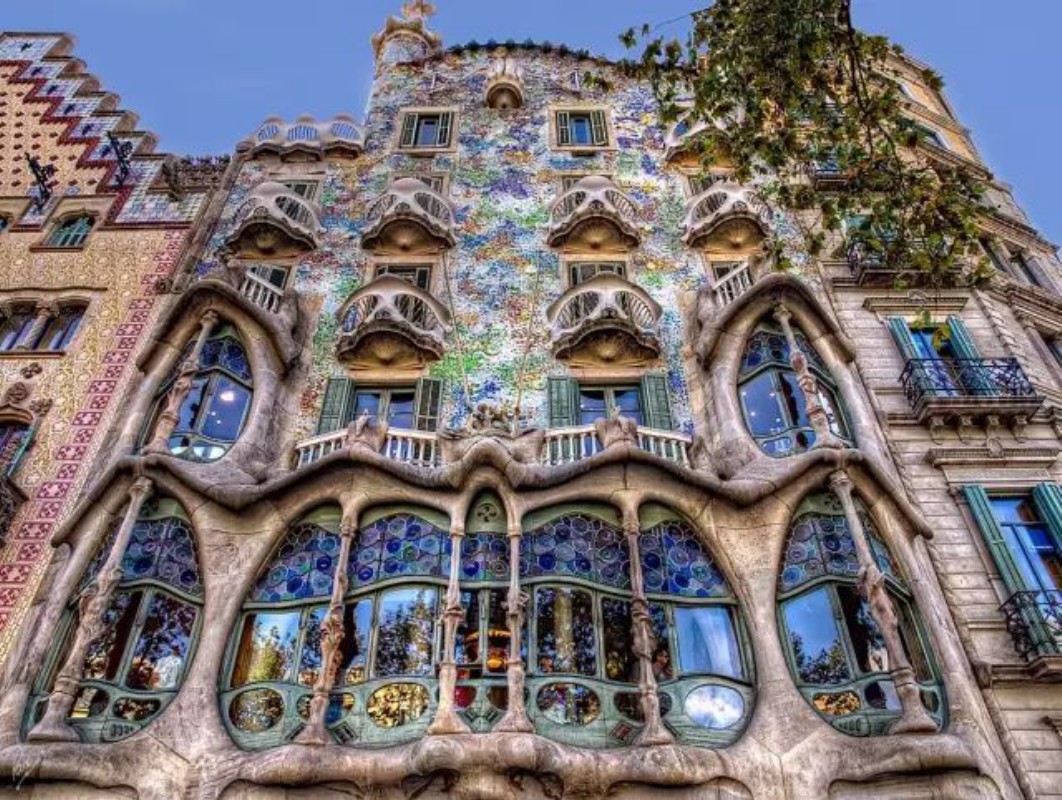
The Japanese aesthetic leans toward simplicity and subtle elegance, with natural tones and refined yet understated details. Spanish architecture uses brighter colors and more elaborate decorative elements, particularly in tile mosaics and wrought iron railings, which showcase high artistic value.
Conclusion and Reflection
The differences in architectural styles between the two countries extend beyond physical appearance, deeply rooted in each culture’s traditions and climate. Whether you favor minimalism or grandeur, understanding these distinctions helps us better appreciate and interpret the stories behind different architectures. This is one of the great pleasures of living in Spain—the surrounding environment continually sparks curiosity and discussion about distant cultures.
