Cultural Background of Architecture
In Japan, architecture is profoundly influenced by frequent earthquakes, so structural design focuses more on flexibility and seismic performance. Wood and lightweight steel are common choices, which not only reduce gravitational load but also facilitate quick repairs after disasters. In contrast, Spain enjoys a relatively stable geological environment, where stone and brick structures with thick walls are more common, providing excellent insulation.
Aesthetics and Appearance
Japanese architecture tends toward simplicity and natural integration in exterior design, often using low-saturation colors like wood tones and light grey to blend buildings into the environment. Traditional Japanese gardens, sliding doors, and the simple eaves lines featured in Japanese and Spanish architecture are iconic elements.
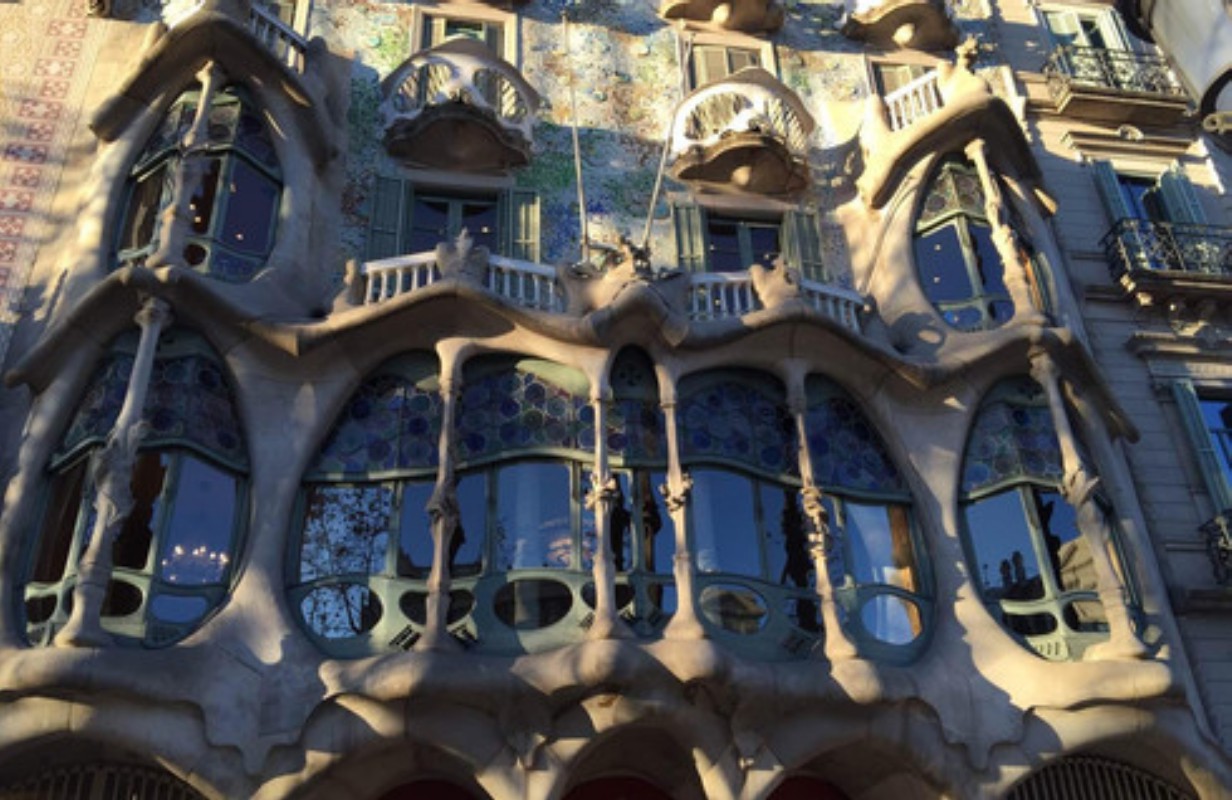
Spanish architecture, on the other hand, delivers strong visual impact with a rich palette ranging from whitewashed walls to vibrant ceramic decorations, especially in Andalusia where Moorish style merges with Mediterranean charm.
Spatial Layout and Lifestyle
Due to limited land availability, Japanese homes often adopt compact layouts that aim to maximize multifunctional use of space. A tatami room can host guests during the day and transform into a bedroom at night.
Spanish homes are comparatively spacious, typically featuring large living rooms and terraces ideal for gatherings with family and friends. The tranquil atmosphere of midday breaks also influences spatial design.
| Feature | Japan | Spain |
|---|
| Main Materials | Wood, steel | Stone, ceramic |
| Color Style | Low saturation, natural | Bright, colorful |
| Spatial Traits | Compact, multifunctional | Spacious, comfortable |
Differences Between Urban and Rural Architecture
In Japan’s urban centers, high-rise apartments coexist with small detached houses, while rural areas preserve more traditional wooden homes. In Spanish cities, many well-preserved historic buildings can be seen, whereas rural areas are characterized by stone houses and white walls with red tiles, showcasing a rustic beauty of a different kind. This contrast also reflects differing economic and cultural backgrounds.
Experience and Impressions
If you explore the differences in Japanese and Spanish architecture by living in a Japanese home, you may appreciate the efficiency of its compact space and the sense of safety during natural disasters like earthquakes. In a Spanish home, wide spaces and vibrant colors can add rhythm and sociability to everyday life. Both architectural styles are worth experiencing and discussing in depth.
