Comparing the Charm of Japanese and Spanish Architecture
Under different cultural backgrounds, architecture is not merely a living space but also a reflection of a lifestyle attitude. Japanese architecture is renowned for its [ i ]simplicity and tranquility, while Spanish architecture stands out with passion and vivid colors. Though these styles seem worlds apart, they share intriguing resonance in certain philosophies.
The Core Spirit of Japanese Architecture
Japanese homes often feature wooden structures and paper sliding screens, emphasizing harmony with nature. Garden designs focus on showcasing the changes of the four seasons, allowing residents to feel the passage of time. Tatami mats and sliding doors convey a subtle balance between privacy and openness. In an environment prone to earthquakes, lightweight structures and flexible layouts are essential.
The Warmth and Detail of Spanish Architecture
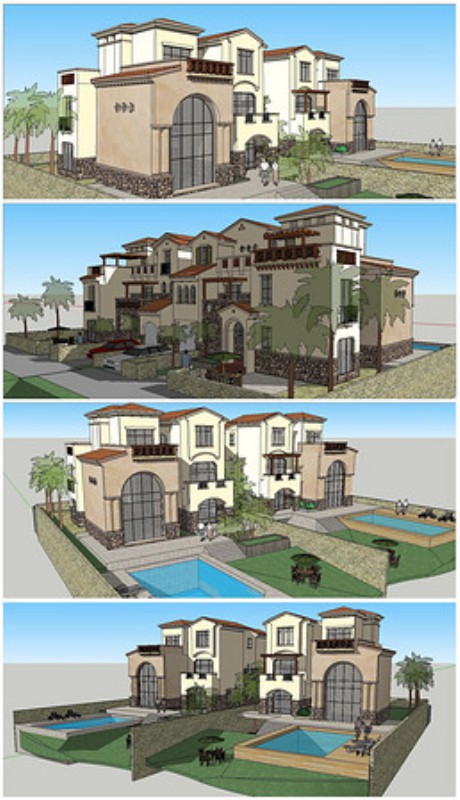
Spanish architecture, shaped by a sunny climate, embraces bold colors and thick walls. The Moorish heritage has embedded tiles and geometric patterns deep into Japanese and Spanish Architecture everyday life. Many houses have open central courtyards, perfect for family gatherings and festive celebrations. Massive archways and stained glass windows reflect the craftsmanship passed down through generations.
Modern designers are experimenting with combining Japanese lines and Spanish ornamentation. For example, adding vibrant mosaics to a minimalist space enriches its visual layers, while incorporating Japanese-style gardens into Spanish living traditions creates serene corners for meditation.
| Architectural Feature | Japanese Style Characteristics |
|---|
| Materials | Wood and paper screens |
| Spatial Feel | Minimal and fluid |
| Natural Elements | Seasonal gardens |
| Architectural Feature | Spanish Style Characteristics |
|---|
| Materials | Stone and ceramics |
| Spatial Feel | Warm and open |
| Decorative Elements | Geometric tiles and stained glass |
Choosing in Daily Life
For residents, choosing an architectural style is not only about visual aesthetics but also about influencing mood and lifestyle rhythm. Those who value calm and meditation may gravitate towards Japanese structures, while lovers of vibrancy and color might be enchanted by Spanish courtyards and streetscapes. Both styles deserve careful appreciation, and integrating them into home design can lead to a personal and authentic expression.
