Historical Context of Spanish Noble Mansions
In Spain, many cities and towns still preserve eye-catching noble mansions. These buildings often blend Gothic, Renaissance, and Baroque styles, showcasing the aesthetics and craftsmanship of various historical periods. Noble mansions were not only symbols of power and wealth but also snapshots of the social structure of their time. Their layouts, choice of materials, and the details of the Spanish Noble House reflected the family’s status and cultural inclination.
Architectural Styles and Decorative Details
Many mansions feature carved stone facades, with interiors boasting arched galleries and exquisite wooden ceilings. Windows often incorporate wrought iron designs, combining beauty with security. In terms of color, dark browns and ochres are predominant, creating a dignified and solemn atmosphere. Even in the courtyards, delicate pools and fountains demonstrate the aristocracy’s pursuit of leisure and elegance.
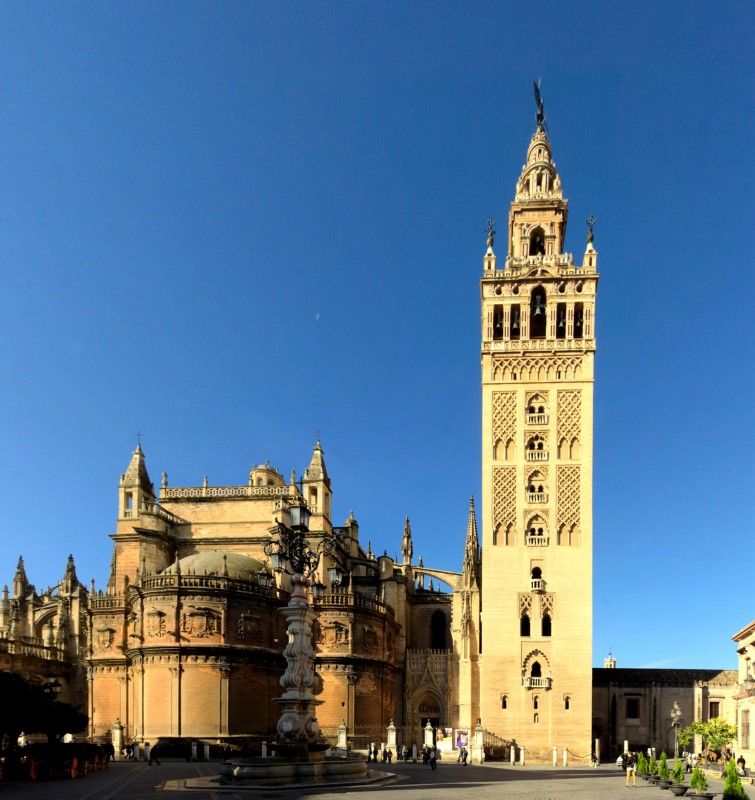
Relationship Between Noble Mansions and Their Surroundings
Mansions were typically situated in city centers or on elevated rural sites to maximize views and convey authority. Surrounding areas often included expansive gardens or orchards, vital to family life. This integration with the environment made the building not only a living space but also part of the landscape. In rural areas, mansions were often connected to farms, forming self-sufficient micro-economies.
Common Architectural Elements Table
| Element | Features |
|---|
| Main building | Multi-story stone structure with towers |
| Arcade | Semi-circular or pointed arches, finely carved |
| Courtyard | Central pool, abundant vegetation |
| Balcony | Wrought iron railings, decorative facades |
Preservation and Restoration Experience Sharing
In recent years, some noble mansions have been converted into museums or cultural centers open to the public. This not only preserves valuable architectural resources but also offers opportunities to learn about the history of Spanish Noble Street-side Buildings. Restoration, however, faces challenges such as difficulty in sourcing original materials and gaps in craftsmanship inheritance. Those interested can share their experiences visiting or participating in restoration projects on the forums, helping more people discover the stories behind these structures.
Conclusion and Discussion
Spanish noble mansions are a cultural heritage spanning centuries, reminding us to cherish history and appreciate aesthetics. If you have encountered an impressive mansion during your travels, feel free to post about it here, or discuss differences between mansions in various regions and explore how architecture reflects local history and cultural nuances.
