The Charm of Spanish Noble Mansions
In many historic towns and villages across Spain, noble mansions stand as highly symbolic structures. These estates are often located in picturesque areas, blending elements of Renaissance, Baroque, and even Moorish heritage, making visitors feel as if they have traveled back centuries into noble life.
Historical Background
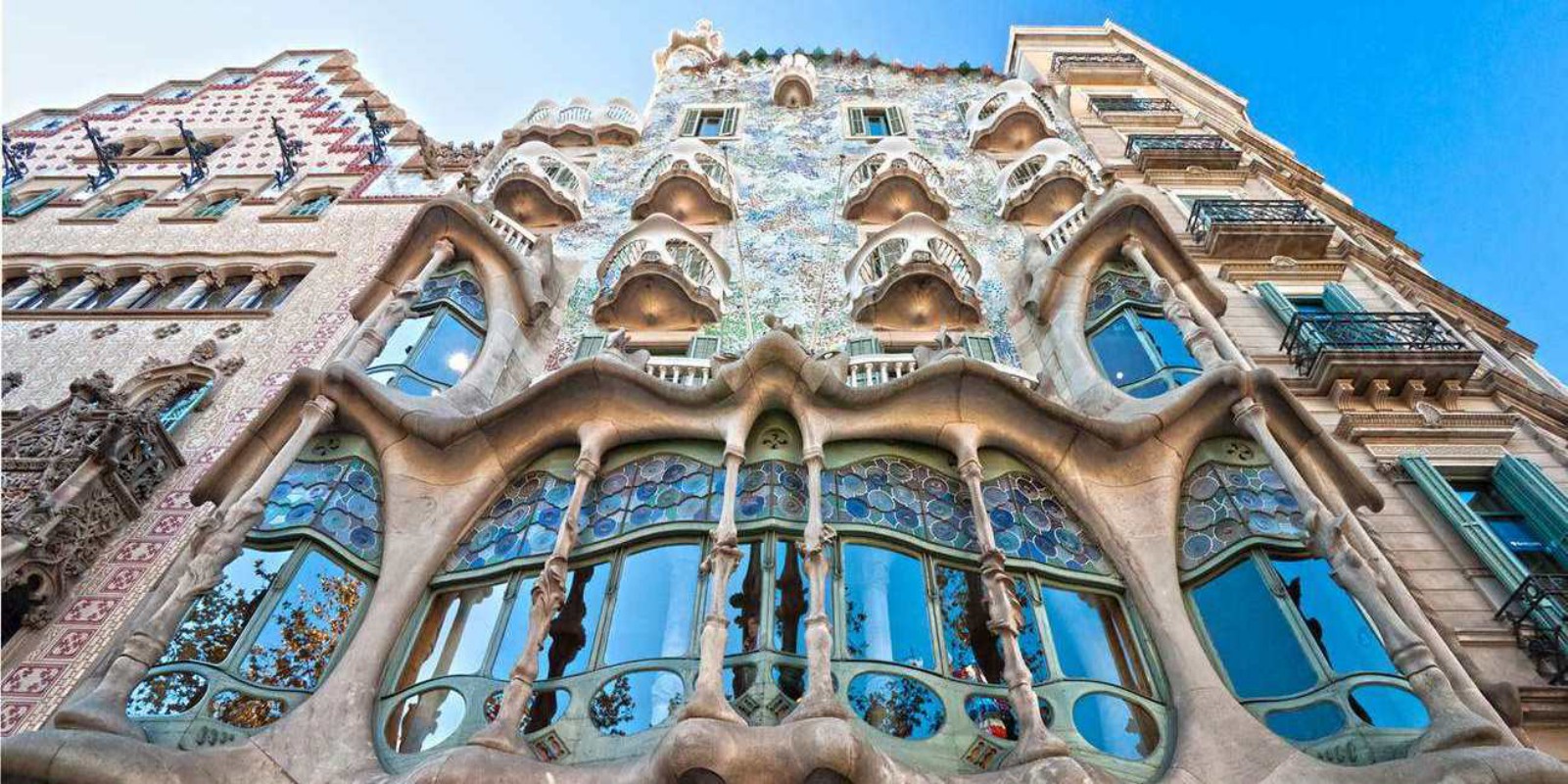
The peak era for building Spanish noble mansions was mainly between the 15th and 18th centuries. During this period, nobles expressed their family status and wealth through Spanish noble mansion architecture. Stonework, wood carvings, and exquisite wrought‑iron balconies, along with elegant courtyards, all reflect that era’s balance between aesthetics and practicality.
Architectural Features
Below are common architectural elements of noble mansions:
| Element | Description |
|---|
| Main façade | Intricate stone carvings and family crests |
| Courtyard | Open‑air patio, often with a fountain |
| Balcony | Wrought‑iron detailing for both views and ventilation |
These features offer aesthetic appeal while also showcasing the fusion of Spain’s diverse cultures.
Preservation Today
Today, many Spanish noble mansions have been listed as cultural heritage sites, with some converted into museums, hotels, or government facilities. A portion are still owned by family descendants, maintaining their original function and appearance. However, many mansions face deterioration due to high maintenance costs, which has sparked public discussion on protecting traditional buildings such as the Spanish noble street architecture.
Visiting and Experiencing
If you plan to travel, consider adding a noble mansion tour to your itinerary. In Toledo, Seville, and León, well‑preserved estates await exploration. Walking into these buildings, you will feel the unique atmosphere where history and modernity intertwine, while also learning fascinating stories about family culture.
Conclusion
Spanish noble mansions are not only masterpieces of architectural art but also microcosms of social history. Whether you are an architecture enthusiast or a history researcher, these estates offer a rich cultural experience. They remind us that while the passage of time is irreversible, the legacy of beauty and culture can endure.
