Aristocratic Street Architecture in Madrid and Barcelona
In many Spanish cities, especially Madrid and Barcelona, strolling through the streets of the old town reveals numerous aristocratic-style buildings. Built mostly between the late 18th and early 19th centuries, these structures retain exquisite façades, carved balconies, and door lintels adorned with coats of arms. A closer look unveils a rich historical atmosphere.
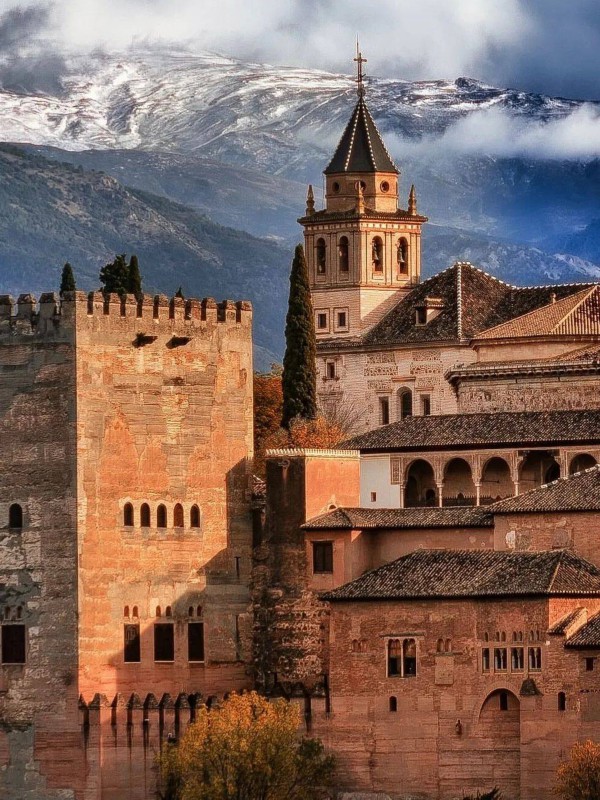
Architectural Styles and Details
The common styles of Spanish aristocratic street architecture include Baroque, Gothic Revival, and Neoclassicism. Compared to ordinary residences, these buildings pay more attention to proportion and the interplay of light and shadow. Façade designs often incorporate extensive decorative details such as stone-carved garlands, Roman-style window frames, and the beautifully crafted wrought iron railings of Spanish aristocratic mansions. These elements are not only visually appealing but also stem from the social status symbols of the time.
| Style | Feature |
|---|
| Baroque | Lavish curves and intricate carvings |
| Neoclassicism | Symmetrical structures and clean lines |
| Gothic Revival | Pointed arches and slender columns |
Integration with the Streets
Although elegant, aristocratic buildings do not appear out of place. They often blend with cobblestone streets, small squares, and fountains, forming a unique landscape. Walking among them feels like stepping into a living history book. In Barcelona’s Gràcia district, you can find exquisite arches paired with colorful tiles, inviting you to pause and take photos.
Practical Touring Tips
If Spanish aristocratic residences you plan to take an architecture-themed city walk in Spain, it is advisable to choose early morning or evening when the light best reveals façade details. Do not just look up; get closer and touch those traces left by time—you may find that the doorknobs still retain the smooth warmth of handcrafted carvings. In addition, many old houses have been converted into cafés or bookstores, where you can experience the artistic ambiance of their interiors.
Conclusion and Interaction
Spanish aristocratic street architecture is not only a vessel of art but also a witness to social change. Behind each building lies a family story and the memory of an era. If, during your travels, you come across a street or a particular building that you love, feel free to share your photos and impressions here, so more people can experience that unique charm belonging to Spain.
