Architectural Features of Spanish Noble Mansions
Across various regions of Spain, grand mansions once belonging to noble families are typically located in town centers or rural estates. These structures are not merely living spaces, but symbols of family status, wealth, and artistic taste. This article combines historical research with on-site observation to discuss their main characteristics.
Historical Evolution
The rise of Spanish noble mansions can be traced back to the late Middle Ages through the Renaissance, when prominent urban families built large stone residences as enduring symbols of their legacy. Many buildings were remodeled during the Baroque period, with façades enriched by more carvings and colors, resulting in a solid yet elegant style.
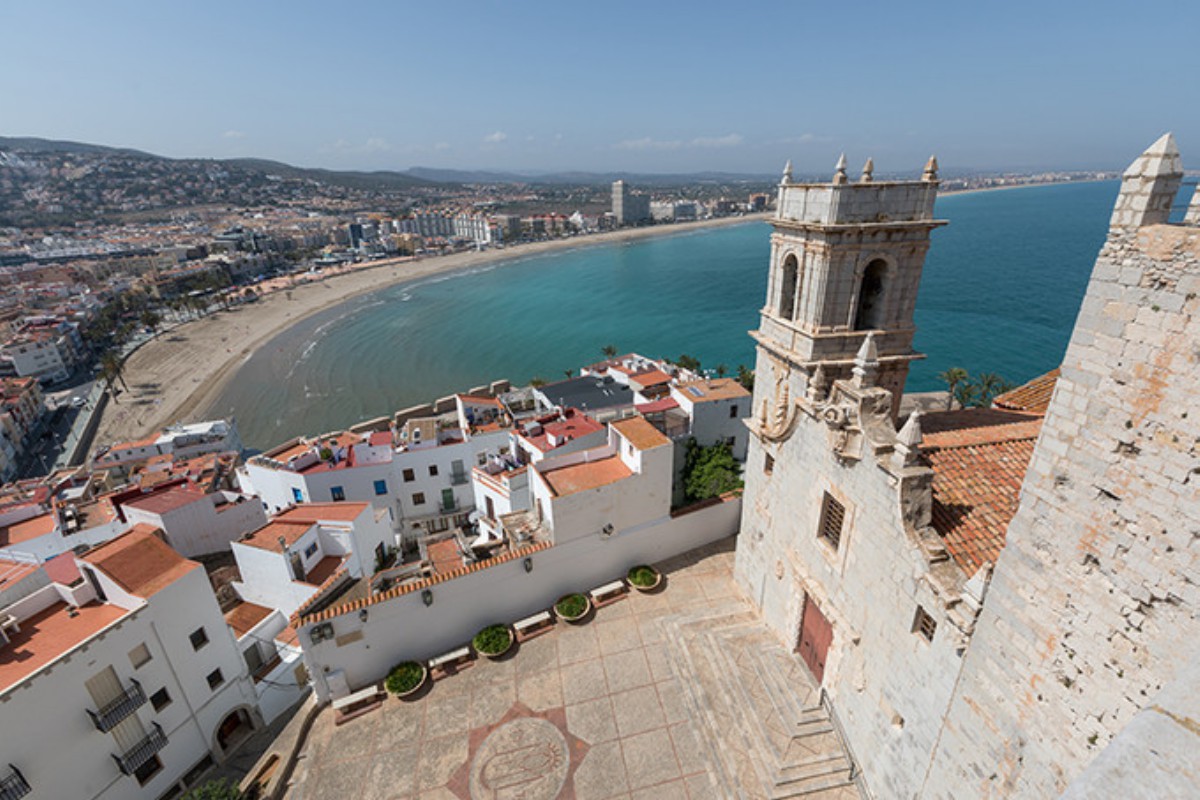
Structure and Layout
These mansions typically feature solid stone walls, arched doors and windows, and an Spanish noble residence architecture internal courtyard. The courtyard serves not only as the central source of light and ventilation but also as an important space for noble leisure and social life.
| Element | Feature |
|---|
| Main entrance | Often an intricately carved wooden door |
| Inner courtyard | Central fountain complemented by vegetation |
| Floor layout | Upper floors as private bedrooms, lower floors for reception and dining |
Many noble residences also have arcades around the courtyard, providing shaded areas for movement.
Decoration and Symbolism
Decorative elements often include family crests, religious motifs, and ornate wrought-iron balconies. Ironwork holds an important place in Spanish architecture, serving both practical purposes and showcasing craftsmanship. Walls are frequently adorned with stucco and murals, creating a warm yet dignified atmosphere.
Regional Differences
In Andalusia, these mansions tend toward the [italic]Moorish style[/italic] with arches and colorful tiles; while in Castile and León, constructions are heavier and more austere, focusing on defensive structures. Such regional differences reflect the fusion of diverse cultural and historical backgrounds.
Preservation and Renovation
Today, some mansions have been transformed into museums, hotels, or cultural centers. For architecture enthusiasts, visiting these residences offers not only an appreciation of craftsmanship but also insight into Spain’s historical social class structures and aesthetic evolution. However, quite a few buildings have fallen into disrepair due to lack of funding, which merits greater attention and protection from Spanish noble mansions enthusiasts.
Have you ever stepped into such a noble mansion? Feel free to share your visiting experiences and impressions — the spatial layouts and details may vary quite a bit from city to city.
