The Charm of Colors and Materials
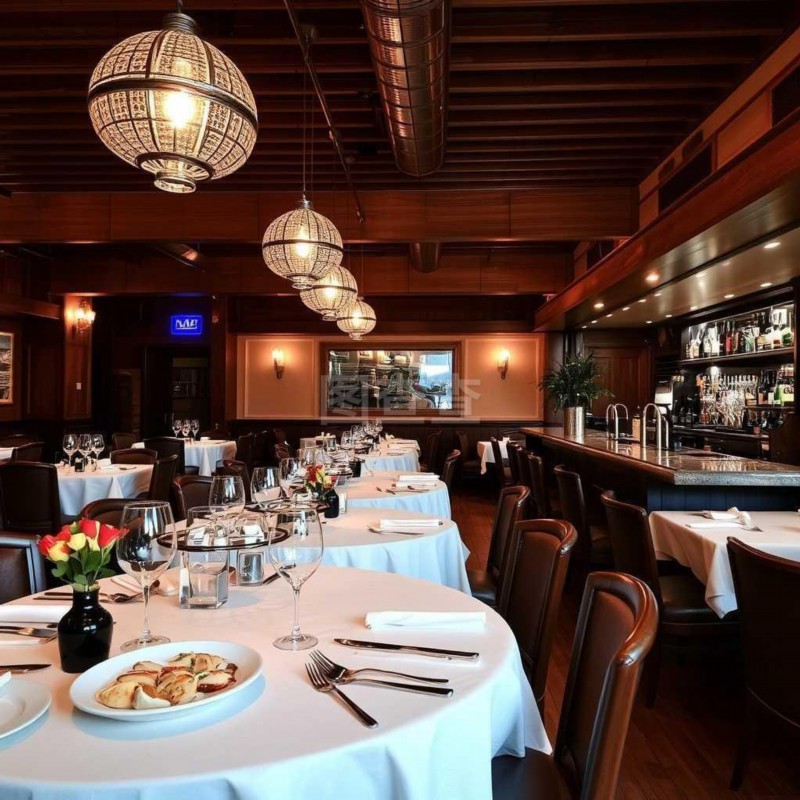
In Spanish-design restaurants, the use of colors is bold, with red and warm yellow often becoming the main tones, bringing warmth and friendliness. Walls are often finished with natural stone or white plaster, combined with wooden elements to form a blend of classical and modern atmosphere. Many restaurants create understated, soft halos in their lighting design, allowing guests to slowly enjoy their meals in a relaxed setting.
Furniture and Spatial Layout
Tables and chairs in Spanish restaurants usually feature handcrafted carved details, with wood grain clearly visible. The layout leans towards open spaces so patrons can easily converse, while internal traffic flow design is carefully considered to facilitate natural interaction between staff and guests. This open yet still intimate arrangement is a key factor attracting many to Spanish restaurants.
| Element | Feature |
|---|
| Tables & Chairs | Handcrafted wood carvings, rich texture |
| Lighting | Soft halo, warm and cozy |
| Walls | Combination of stone and plaster |
Integration of Regional Culture
Different regions in Spain have distinct cultures and aesthetics: Barcelona’s restaurants more often adopt modern lines and artistic paintings as seen in Spanish Restaurant Features, whereas Seville leans towards Moorish-style arched windows and colorful tiles. Restaurants in various regions convey local history and customs through [Spanish Restaurant] details, making dining not only a treat for the taste buds but also a cultural experience.
Music and Atmosphere
Background music is important in Spanish restaurants, with guitar and flamenco melodies often heard during dinner hours. Together with lighting and aromas, they paint a unique experience. When dining in such a restaurant, the rhythm in your ears can transport you to a corner square, making it impossible not to immerse yourself.
Details and Service
Beyond the Spanish Restaurant Design hardware aspects, the service style in Spanish restaurants further enriches the overall experience. Waiters usually interact with guests in a relaxed and friendly tone, unhurriedly; this calm and unhurried service style makes the dining process more enjoyable. Details such as tableware arrangement and floral accents reflect the host’s understanding of beauty and passion for life.
When discussing Spanish restaurant design, it is worth paying attention to the cultural context behind it; you’ll discover that design is not only about aesthetics but also a direct reflection of a lifestyle.
