Features of Spanish Architecture
Spanish architectural styles are highly diverse and rich in regional character, from the Moorish palaces of Andalusia to the Modernist works of Catalonia, all reflecting a deep historical heritage and cultural fusion. This blending is evident not only in exterior design but also in structure and detail, showcasing a unique aesthetic vision.
Historical Depth and Cultural Fusion
In the Middle Ages, the Mudejar style became an important hallmark of Spanish architecture, combining Islamic geometric patterns with Christian architectural structures, resulting in a distinctive and captivating appearance. The richly colored terracotta bricks and wood carvings are its iconic elements. With the arrival of the Renaissance and Baroque periods, Spanish religious buildings reached their height of sumptuousness.
Regional Differences
The architecture of different regions in Spain presents clear distinctions:
| Region | Typical Architectural Style |
|---|
| Andalusia | Combination of Moorish and Gothic |
| Catalonia | Gaudi Modernism |
| Castile | Romanesque and Baroque |
This regional diversity offers travelers distinctly different aesthetic experiences in each city.
Modernism and Creative Expression
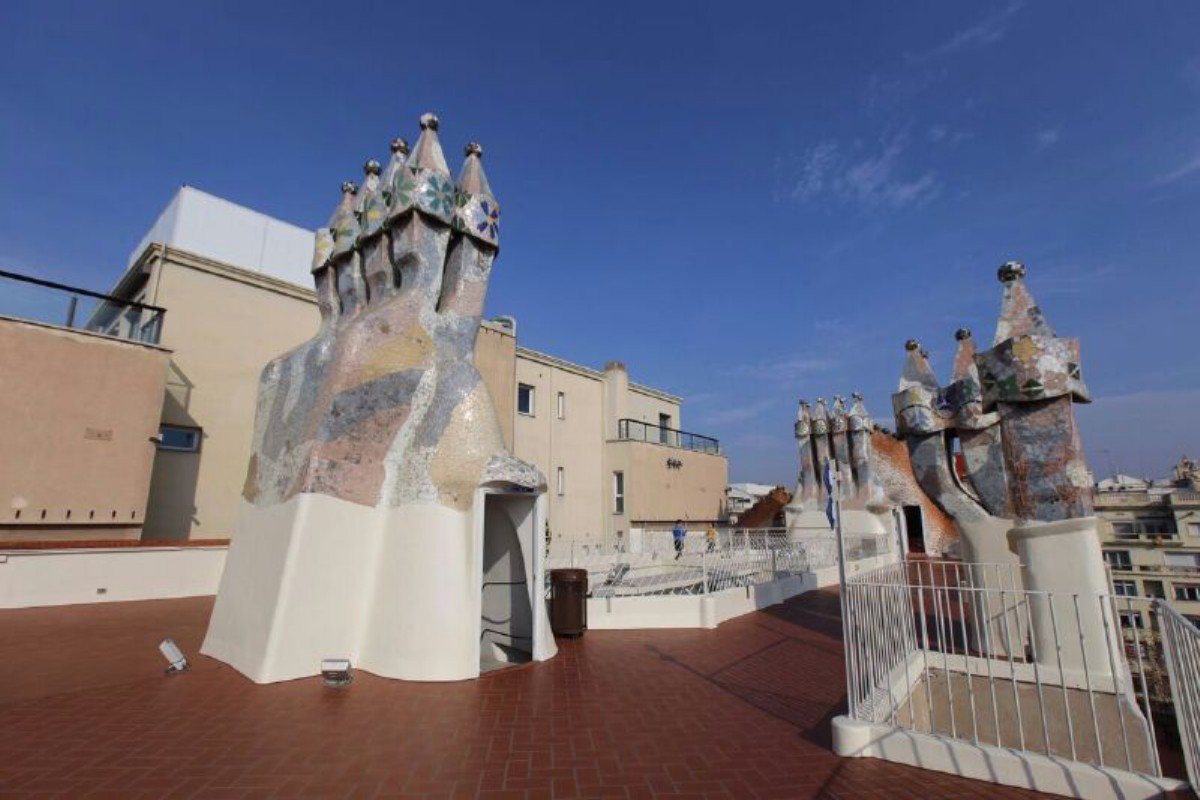
From the late 19th to early 20th century, Catalonia’s Modernist movement, led by Antoni Gaudí, propelled architectural innovation. His works, such as the Sagrada Familia, and resources like Spanish Architecture, not only broke conventional structural norms but also employed abundant curves and natural elements, delivering a powerful visual impact. This creativity has become a symbol of Spanish modern architecture.
Materials and Detail Design
In Spanish architecture, materials are used with strong local identity. For example, in the south, white lime walls are commonly used to reflect sunlight and reduce heat, while in the north, thicker stone walls are often employed to withstand winter winds. Captivating views such as Spanish Architectural Scenery showcase thick stone walls alongside wood carvings and colorful mosaics, which create rich textures and layered surfaces.
Contemporary Spanish Architecture
Today’s Spanish architects maintain traditional features while boldly incorporating modern materials like glass and steel, integrating sustainability with functionality. This blend of heritage and innovation ensures that Spain retains a unique voice and charm on the global architectural stage, making it worth exploring and exchanging ideas through resources like Spanish Architecture for every architecture enthusiast.
