The Art of Color and Lines
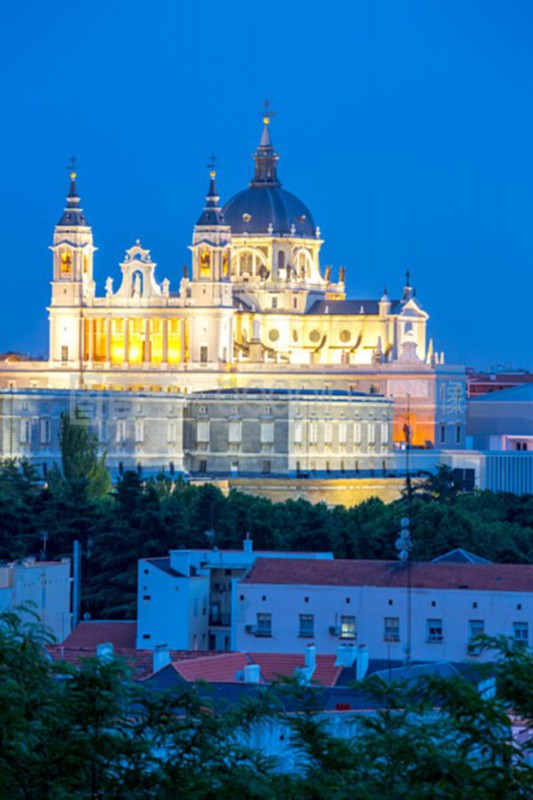
Spanish architecture is renowned for its vibrant colors and rhythmic lines. Whether strolling through the sunlit streets of Andalusia or standing in the city squares of Catalonia, you will see walls painted with warm tones that contrast sharply with the blue sky. This is Spanish architecture, offering an unforgettable visual experience. Many buildings feature delicate wrought iron balconies and ceramic mosaics, showcasing meticulous craftsmanship in every detail.
The Fusion of History and Culture
From Roman ruins to palaces of the Moorish era, Spanish architecture is aremarkable historical book. The ancient city walls of Toledo and the Alhambra Palace in Granada—each stone tells a story of cultural clashes. Moorish-style arched doors and geometric decorations intertwine with Christian spires and stained glass, forming a unique artistic language.
The Intersection of Modern and Traditional
In Barcelona, Gaudí’s Sagrada Família is a prime example of modern architecture fused with natural forms. Throughout the city, modernist buildings cleverly blend organic curves with religious symbols. In contrast, small towns often preserve traditional whitewashed walls and red-tiled roofs, radiating the warmth of the Mediterranean. This sense of intersection allows every person walking through the streets to feel the fusion of time and space.
Climate and Design Relationship
Much of Spain enjoys a Mediterranean climate, and architectural design often accounts for hot summers and damp winters. For example, thick stone walls and small windows provide effective insulation, while internal courtyards and pavilions offer shady resting areas in summer, as seen in many examples of Spanish architecture. This adaptation to local conditions makes buildings both beautiful and practical.
| Type of Architecture | Distinctive Elements |
|---|
| Moorish-style palaces | Arched doors, ornate tiles |
| Mediterranean homes | Whitewashed walls, red tiles, courtyards |
| Modernist | Curved structures, stained glass |
Harmony with the Landscape
Spanish architecture often harmonizes with its surroundings. Houses in mountain towns are built along the slopes, while seaside buildings open windows toward the azure waters, welcoming the sea breeze. Whether in the green fields of the Basque Country in the north or the olive groves of Andalusia in the south, the architecture blends seamlessly with nature. This sense of harmony might be one of the reasons why Spanish architecture remains so captivating.
