The Diversity of Spanish Architecture
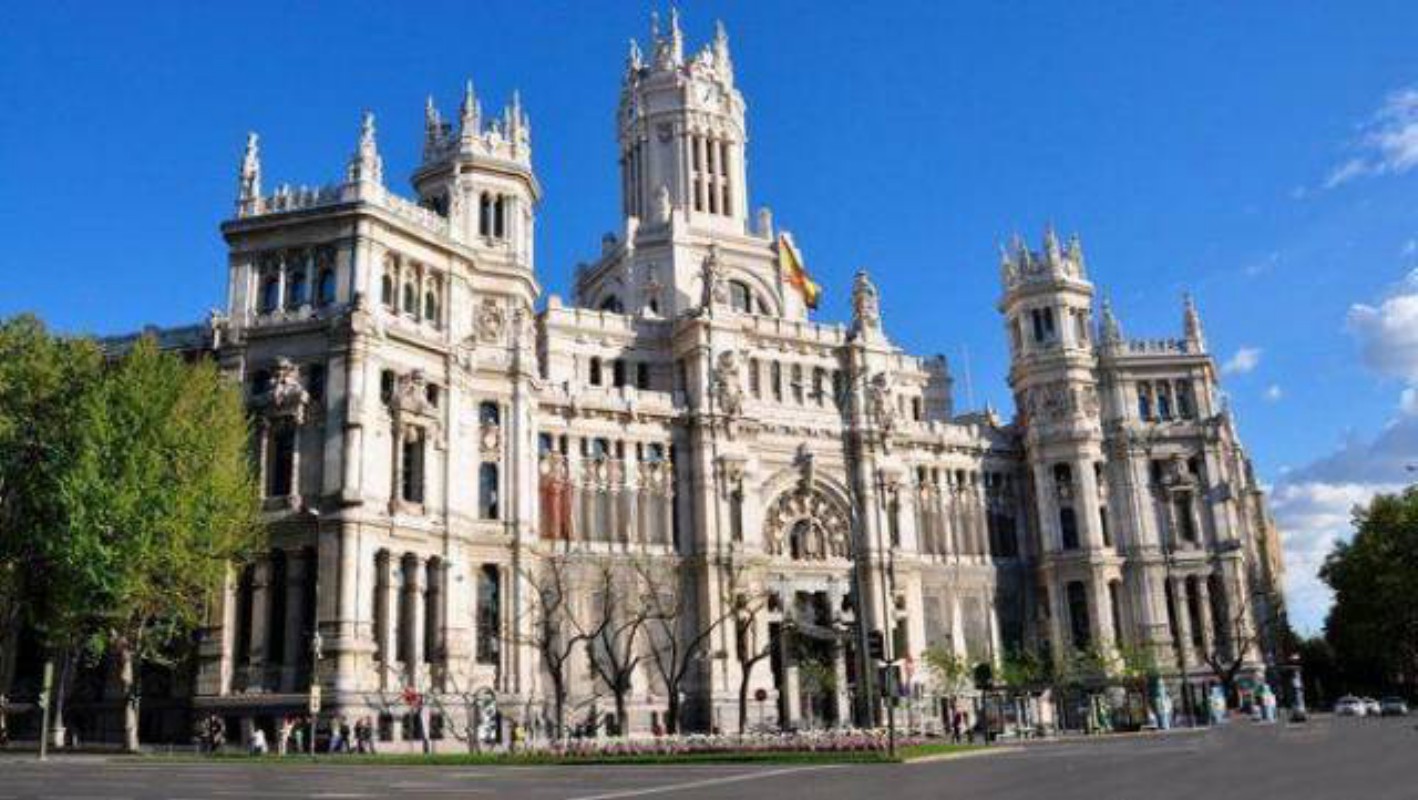
Spanish architectural styles are remarkably diverse, ranging from medieval castles to the whimsical creations of Modernism, each infused with profound regional cultural traits. Walking through the streets of Madrid, Barcelona, or Granada, one can see buildings merging Moorish influences with European Gothic elements, making you feel as though you are traveling through different historical periods.
Mudéjar and Andalusian Charm
The Mudéjar style was developed by Muslim craftsmen during Christian rule, characterized by exquisite brickwork and geometric patterns. The white‑walled towns, arched courtyards, and intricate tile decorations in Andalusia reflect the blend of Islamic aesthetics with Mediterranean life. Walking into the Great Mosque of Córdoba, the Spanish architectural scenery conveys a harmonious unity of color and structure.
Gaudí and Modernism
In Barcelona, Gaudí’s works are as stunning as fairy tales. His architecture incorporates natural curves and vibrant mosaics; his masterpiece, the Sagrada Familia, is still under construction. Modernism is not merely a style, but also a new artistic vision seeking freedom and creativity.
| Style Type | Representative City |
|---|
| Gothic | Barcelona |
| Mudéjar | Toledo |
| Moorish | Granada |
| Modernism | Barcelona |
The Northern Stone Building Tradition
In northern Spain, especially Galicia and Asturias, stone architecture is widespread. These structures are sturdy, built to withstand damp and cold climates, and possess a simple beauty. Stone farmhouses and churches evoke remnants of Celtic culture.
Coastal and Fishing Village Architecture
Along the Mediterranean and Atlantic coasts, houses in small fishing villages are often brightly colored, with windowsills adorned with flowers. Architectural design prioritizes ventilation and light, with red‑tiled roofs creating a striking visual contrast between Spanish architecture and the blue sea and sky.
Conclusion and Impressions
Spanish architecture is a comprehensive display of history, culture, and Spanish architecture geography. Whether it is a magnificent palace or a humble farmhouse, each is worth appreciating in detail. While traveling, carefully observing these architectural details can deepen your understanding of local lifestyles and aesthetic values.
