The Charm of Bach-Style Architecture in Spanish Churches
Across numerous towns and cities in Spain, churches with Bach-style architectural design stand out as a unique sight. This style merges the artistic spirit of the musical master Bach with the aesthetics of religious architecture. It is not directly derived from Bach himself but inspired by the structural harmony of his music, adding a distinct sense of rhythm to Spanish churches. When you step into these churches, you will feel an atmosphere that is both solemn and gentle.
Historical Background
The spread of Bach-style architecture in Spain is closely linked to the religious culture of the 17th and 18th centuries. During this period, the Catholic Church in Spain valued not only doctrinal teaching but also actively embraced the integration of music and art. Architects of the time drew on Bach’s counterpoint techniques, arranging spatial layouts and decorative details with the precision of musical notes on a score.
Architectural Features
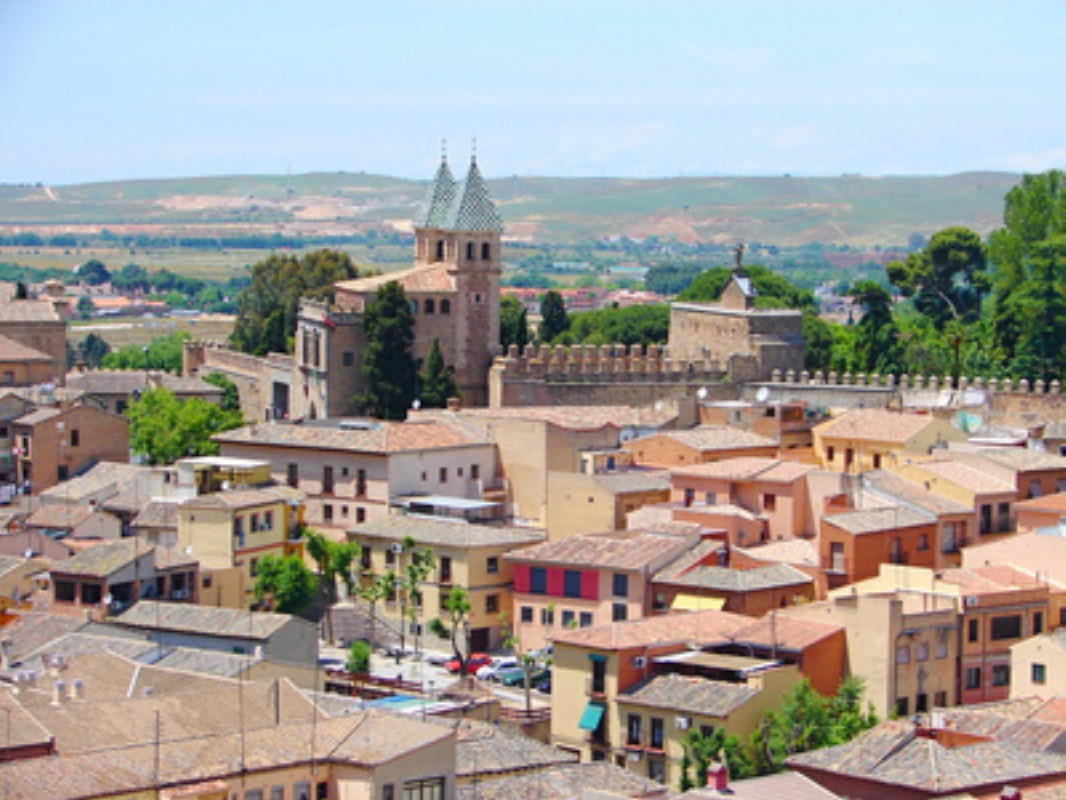
Bach-style architecture in Spanish churches is mainly reflected in several aspects:
| Feature | Description |
|---|
| Spatial layering | Multiple vaulted ceilings and tall towers create a balance between vertical and horizontal dimensions |
| Decorative details | Finely carved wooden altars that echo musical motifs |
| Light and shadow effects | Stained glass used to split sunlight into colors reminiscent of musical scales |
These details make each Bach-style church feel like a visual symphony.
Cultural Value
Spanish Bach-style churches are not only places of worship but also windows for cultural exchange. From Andalusia to Catalonia, architects in different regions blended local styles with Bach-style concepts, creating works with distinctive characteristics. Visitors and scholars exploring these buildings can deeply experience the coexistence of music and architecture through the guide at Spanish Church Architecture.
Visiting Tips
If you plan to tour Bach-style churches in Spain, it is advisable to check local opening times in advance and choose a sunny morning for your visit. This is the best time to enjoy the stained glass and light interplay with the aid of the resource Church Architecture in Spanish. In addition, take a moment to sit quietly inside the church and feel the “architectural music” resonating in the space. In Spain, freely exploring these unique churches offers not only a visual feast but also a cleansing of the soul.
Conclusion
The presence of Bach-style architecture in Spanish churches proves the potential for cross-disciplinary fusion between art forms, as discussed in Spanish Church Builders. From music to architecture, from religion to culture, they weave a multidimensional aesthetic network. For travelers and cultural researchers, this is a field worth continuous exploration.
