The Artistic Legacy of Spanish Church Architects
In almost every city and town in Spain, you will encounter a wide variety of churches. These structures are not only symbols of faith but also the crystallization of architectural aesthetics. Many renowned church architects have left Spain with countless masterpieces across different eras.
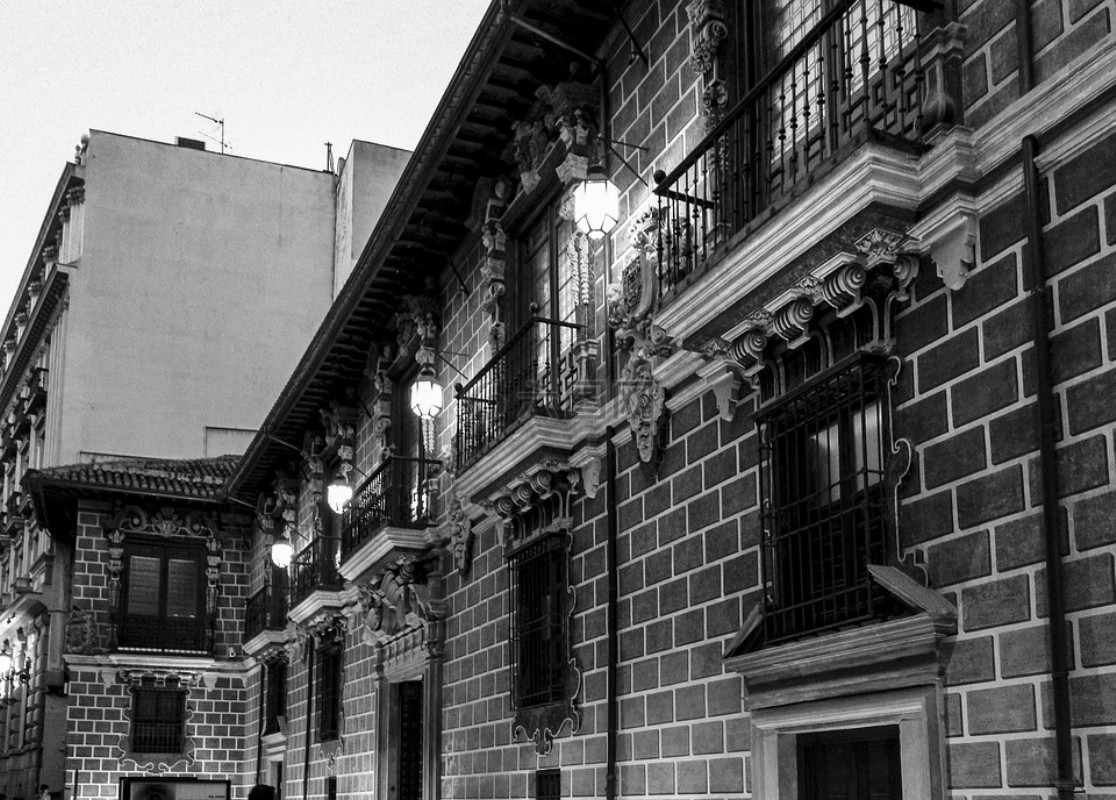
Gothic Heights and Play of Light
During the medieval period, Gothic architecture was prevalent in Spain, and the Spanish Church Architecture Vocabulary architects used towering spires and intricate stone carvings to create a sense of sanctity. For example, the chief designers of Toledo Cathedral cleverly introduced light into the interior, making visitors feel as if they had entered a transcendent world.
Baroque Luxury and Detail
By the 17th century, the Baroque style became dominant. Architects of this era excelled in using winding lines and extravagant decorations to express authority and grandeur. Inside some of Seville’s churches, one can admire exquisite frescoes and gilded altars that dazzle the eyes.
Romanesque Solidity and Simplicity
In contrast, Romanesque churches are heavier and sturdier, with round arches and thick walls imparting a sense of stability. Early architects focused on defensive functions, making these churches serve as refuges during periods of conflict.
Representative Works of Different Periods
| Period | Representative Building |
|---|
| Gothic | Toledo Cathedral |
| Baroque | Church of San Francisco |
| Romanesque | Church of Santiago |
Heritage and Modern Integration
Today, many modern architects attempt to integrate traditional church elements into newly built public spaces, combining ancient aesthetics with the innovative use of contemporary materials. This tradition, the Spanish Church Builders, ensures that Spain’s architectural culture continues to thrive globally.
If the Spanish Church Architecture catches your attention when traveling in Spain, take time to appreciate the works of these architects — they are not just scenic backdrops for photographs, but living witnesses to history and art.
