Architectural Features of Spanish Churches
Walking through Spain’s cities and countryside, it is easy to be drawn to churches of diverse styles. They are not only symbols of religious faith but also embodiments of art and history. Churches in different regions carry distinct cultural backgrounds, with stories worth pondering told through everything from the wall materials to the shapes of their towers.
Gothic Height and Play of Light
Gothic churches are often the first image people have of Spanish sacred buildings, such as the Toledo Cathedral and León Cathedral. These structures’ towering spires and vast stained-glass windows naturally invite an upward gaze. The light streaming through the stained glass and the shadows within create a unique atmosphere, making worshippers feel as though they have stepped into another realm.
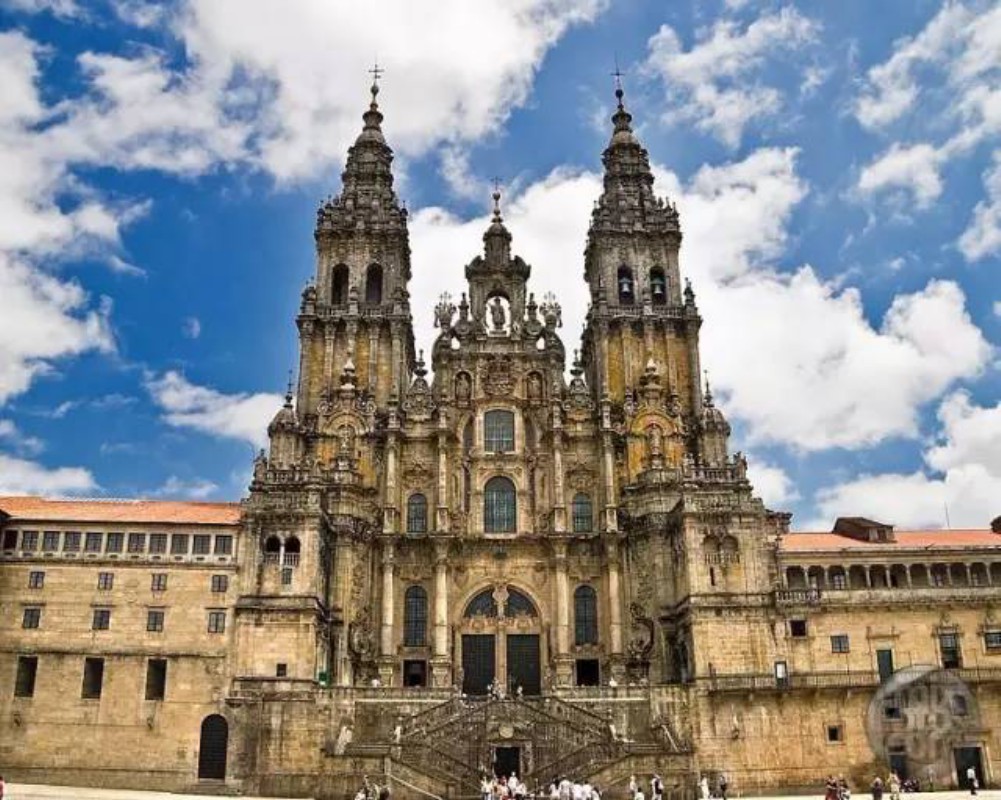
Romanesque Solidity and Dignity
In northern Spain, Romanesque churches are notable for their thick walls and semicircular arches. Usually built with local stone, they appear exceptionally sturdy. This style conveys a sense of safety and stability, as if capable of withstanding any storms or turmoil from the outside world.
| Architectural Style | Historical Period |
|---|
| Romanesque | 10th–12th Century |
| Gothic | 12th–15th Century |
| Baroque | 17th–18th Century |
Baroque Decoration and Dramatic Effect
Baroque churches are found across many Spanish cities, such as the Church of San Isidro in Madrid. Complex facades, exquisite stone carvings, and theatrical interior layouts are their hallmarks. Gold and splendid altars alongside opulent ceilings make visitors feel the solemnity and grandeur of religious ceremonies.
Fusion and Local Character
Beyond these main styles, many Spanish churches merge Mudéjar elements, as described in Spanish Church Architecture, blending Islamic and Christian influences. This is especially common in regions like Aragon and Toledo, with brick exteriors and geometric tile decorations giving a strong local flavor and showcasing Spain’s multicultural integration. Insights into such blends can also be found in Spanish Church Builders.
Visiting Tips
If you are planning a trip to Spain and wish to learn more, consult resources such as Spanish Vocabulary for Church Architecture. Consider adding a route for visiting churches. Soft morning light and the golden glow of sunset are the best times to photograph these structures. Stepping inside is not only about admiring architecture, but also engaging in a dialogue with history—every stone slab and every carving quietly tells stories from the past.
