Journey Through Time with Spanish Cathedrals
In the streets and squares of Spain, cathedrals often serve as the heart and spiritual symbol of the city. They are not only places for religious activities but also vessels of historical art, telling stories that span centuries through Gothic spires and delicate Baroque carvings.
Historical Background
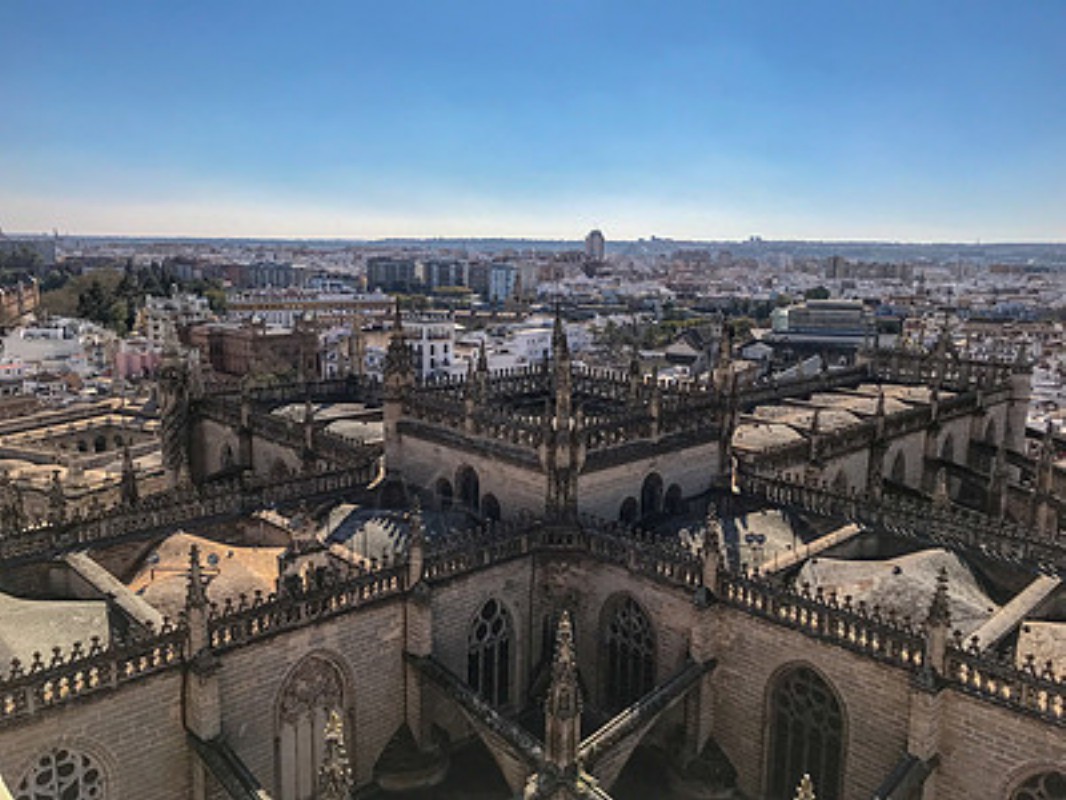
Many Spanish cathedral structures originate from the medieval period. With the spread of Christianity and the rise of kingdoms, cathedrals became essential social hubs. Early Romanesque style was simple and massive, while later Gothic designs sought verticality and interplay of light and shadow, creating a solemn and mysterious spatial atmosphere. Especially the colorful stained glass of the Gothic style imbues light with an almost sacred quality.
Architectural Style Comparison
| Style | Features |
|---|
| Romanesque | Thick walls, semicircular arches |
| Gothic | Soaring spires, flying buttresses |
| Baroque | Lavish decoration, dynamic structures |
The Baroque period cathedrals pursued the ultimate beauty in artistic details, integrating sculpture and painting into the architecture as a whole, contrasting with the earlier simplicity and verticality.
Regional Differences
In Andalusia, Mudéjar-style cathedrals blend Islamic artistic elements, with interlaced arches and geometric tiles making them truly unique. In Catalonia, influenced by Mediterranean culture, cathedral architecture tends to feature brighter colors and softer detailing.
Travel Tips
If Spanish Cathedral Architecture is something you plan to explore in depth, Spanish Cathedral Buildersrecommend selecting representative cathedrals from different styles and regions to fully appreciate their unique beauty. The Seville Cathedral, the Toledo Cathedral, and Church Architecture Spanish Vocabulary the Sagrada Familia in Barcelona are masterpieces well worth visiting.
Conclusion
Spanish cathedrals are not merely expressions of religious faith but also witnesses to historical development. Whether it is the weathered stone walls or the exquisite domes, they silently tell stories of the past and present. Experiencing them offers not just visual and spiritual delight but also a journey across history.
