Overview of Spanish Church Architecture
Spanish church architecture holds an important place in the history of European architecture. From early Romanesque stone masonry to magnificent Gothic spires and splendid Baroque styles, each era has left a distinctive mark. For Spanish church architecture learners and travel enthusiasts, a systematically organized PDF resource can not only help in a deeper understanding of Spanish church architecture vocabulary for each period but also prepare culturally before the journey.
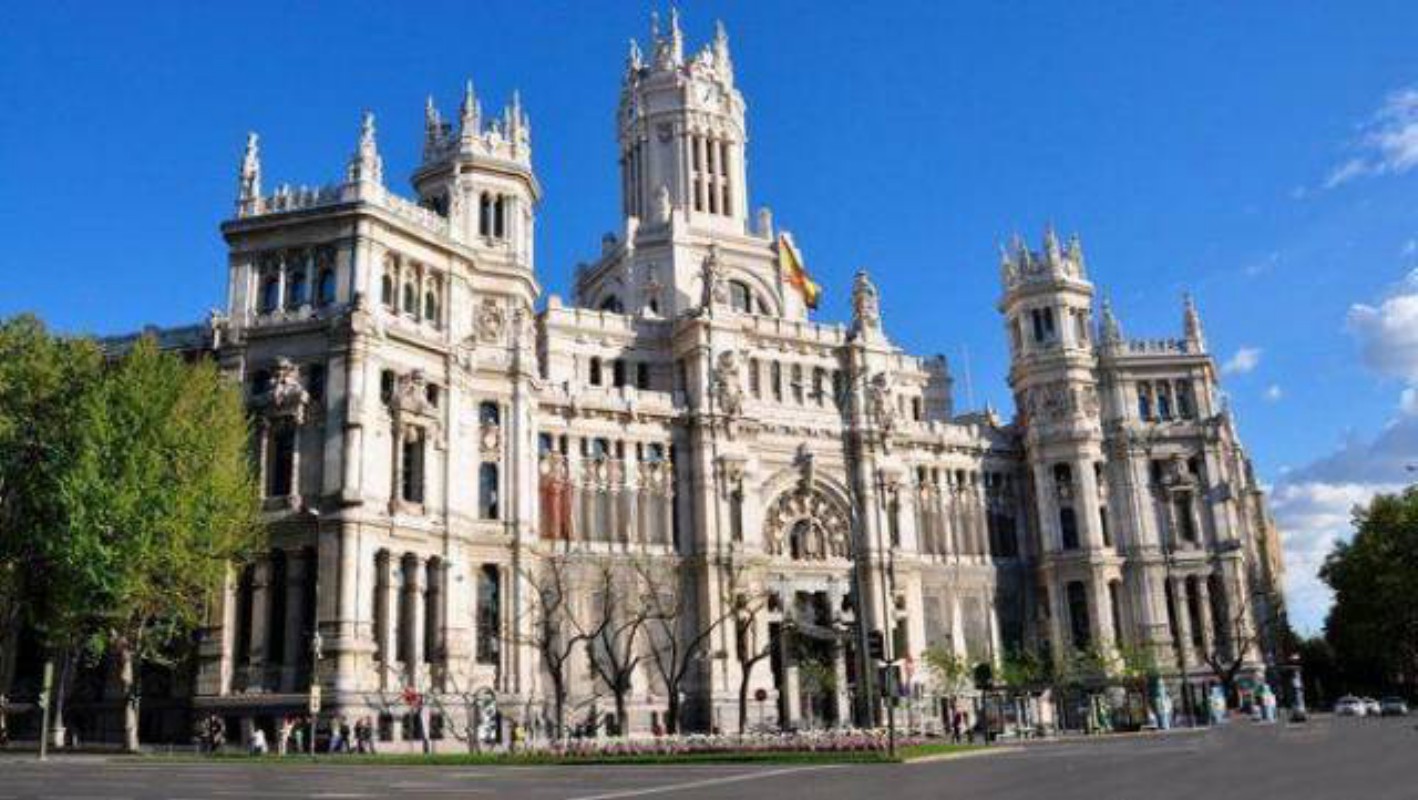
Romanesque and Gothic
The Romanesque style is particularly common in the mountainous regions of northern Spain, where thick walls and simple decorations bring a sense of solidity. Entering the 13th century, Gothic gradually became mainstream, with soaring domes and stained glass windows creating shifting light effects inside the churches. Segovia Cathedral is a typical example, hailed as “the last great Gothic cathedral.”
| Architectural Style | Representative City |
|---|
| Romanesque | Santiago de Compostela |
| Gothic | Toledo |
| Baroque | Madrid |
Baroque and Neoclassicism
In the 17th century, the Baroque style flourished in Spain, emphasizing dramatic spatial effects and elaborate decorations. For example, Madrid’s Church of San Isidro is renowned for its striking contrasts of light and shadow and ornate façade. Neoclassicism began to gain popularity in the late 18th century, aiming to return to simplicity and rationality.
PDF Access and Reading Tips
Today, many universities and museums have compiled research papers and albums on Spanish church architecture into PDF files for online publication. It is recommended to search from the Spanish National Library or official cultural websites of various cities. These resources usually feature high image quality and detailed information, making them ideal for collection. Pay attention to copyright statements and download responsibly for non-commercial use.
On-site Visit Tips
When visiting Spanish churches, focus not only on the exterior but also study the interior details. For instance, column capitals, altarpieces, and vault structures all reflect the craftsmanship and religious beliefs of the time. Some popular churches require advance ticket reservations, so plan your schedule to avoid peak hours. For professional photography, please follow the church’s regulations.
Conclusion and Discussion
The charm of Spanish church architecture lies in its diversity and profound historical and cultural background. Whether learning through the Spanish church builders PDF or visiting in person, each exploration is a cultural journey through time. If you have your own treasured PDF resources or visiting insights, feel free to share them in the comments to benefit more architecture lovers.
