Architectural Analysis of Spain’s National Pavilions
Spain’s national pavilions enjoy a high international reputation; at every major world expo or cultural exhibition, the Spanish pavilion always attracts large crowds with its unique design, artistry, and spatial layout. From the classical elements of Madrid to the bold application of modernism in Barcelona, the pavilions in different cities each have their own strong personality.
Historical Background
The earliest Spanish national pavilion dates back to the 1929 Barcelona International Exposition, when architects fused Andalusian decorative style with modern structural concepts. This blend of styles was inherited and developed over the decades, allowing the pavilions to retain traditional charm while presenting modern functionality. This cross-era combination has left a distinctive mark in the history of world architecture.
Architectural Features
Today’s pavilion designs pay more attention to the environment and sustainability. For example, rooftop solar panels and rainwater harvesting systems aim to reduce energy consumption and maintenance costs. In addition, the interior spaces of pavilions often feature adjustable layouts to suit different exhibition needs. These features not only enhance efficiency but also give visitors a sense of flexibility and comfort when exploring. 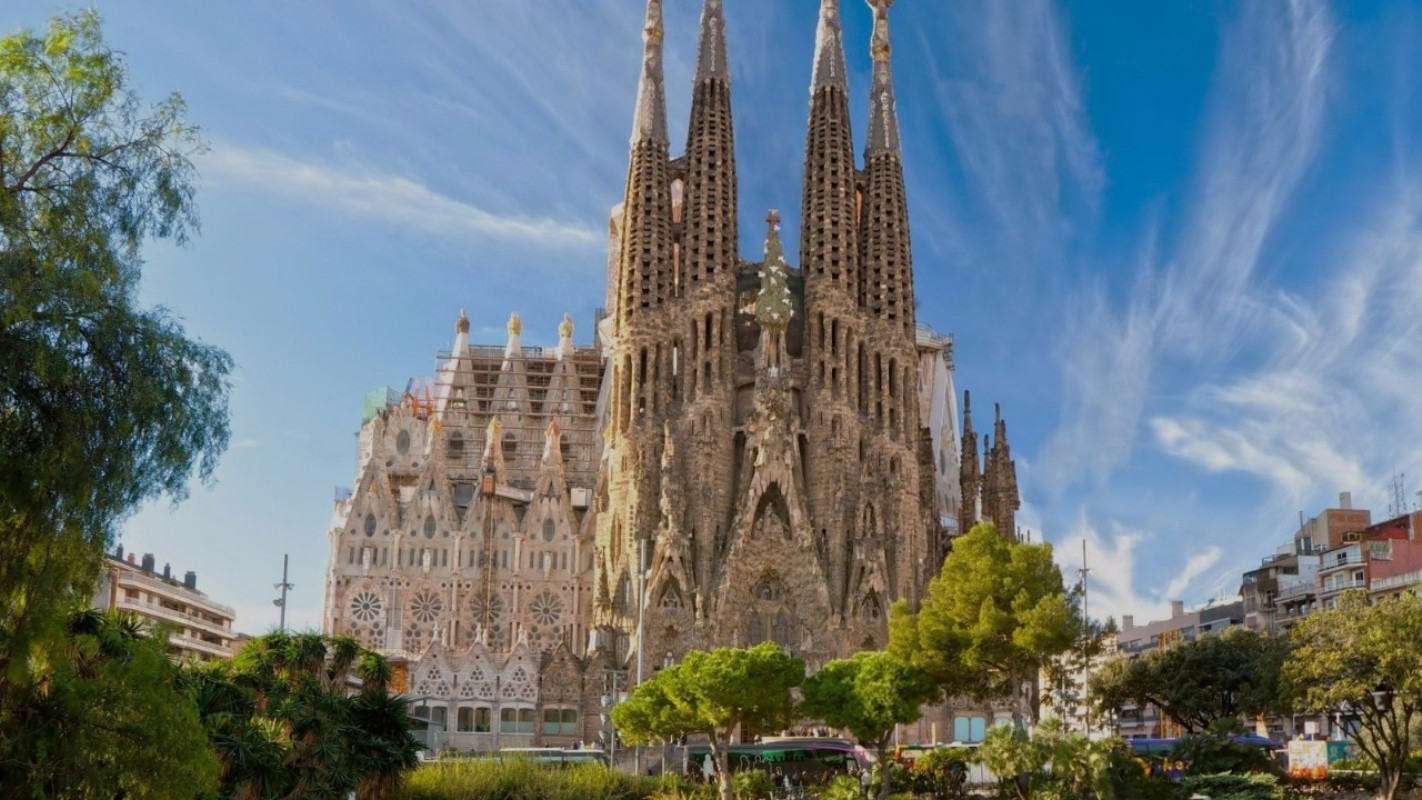
| City | Pavilion Style |
|---|
| Madrid | Blend of classical and modern elements |
| Barcelona | Modernism with geometric structures |
| Seville | Moorish style with vibrant colors |
Materials and Craftsmanship
When it comes to material selection, Spain’s national pavilions make extensive use of local stone and tiles, which not only enhance the native cultural character but also help reduce transportation costs. In terms of craftsmanship, many details employ traditional artisan techniques, such as mosaic tiling and carved wooden window frames, lending the architecture an additional artistic touch.
Cultural Significance
A pavilion is not just an architectural work, but a cultural symbol. Through the [Spanish Architecture Analysis Software], Spain showcases to the world its diverse cultural roots, encompassing Roman, Islamic, Catalan, and Andalusian elements. This diversity is precisely what Spanish Architecture Analyst highlights as a major attraction for international visitors. Whether you are an architecture enthusiast or an everyday traveler, you can find stories that resonate within these pavilions.
Visiting Experience
When visiting, it is advisable to check the pavilion’s exhibition schedule in advance, as different times offer varying themes and interactive activities. In addition, many pavilions are surrounded by restaurants and cafés, allowing you to savour local flavours while appreciating architectural beauty. If Spanish Architectural Colors are part of your photography plans, it is best to avoid noon, making use of the soft effects of natural light to capture more textured shots.
