History and Cultural Background of Spanish Architecture
Spanish architecture is remarkably diverse, ranging from ancient Roman relics to contemporary designs, with each era leaving its distinctive mark. As a Spanish Architecture Analysis Software user and an ordinary resident living here as a Spanish Architecture Analyst, I often find myself captivated while strolling through streets lined with buildings carrying diverse cultural imprints. Spanish architecture is not only an expression of aesthetics but also a bearer of historical narratives.
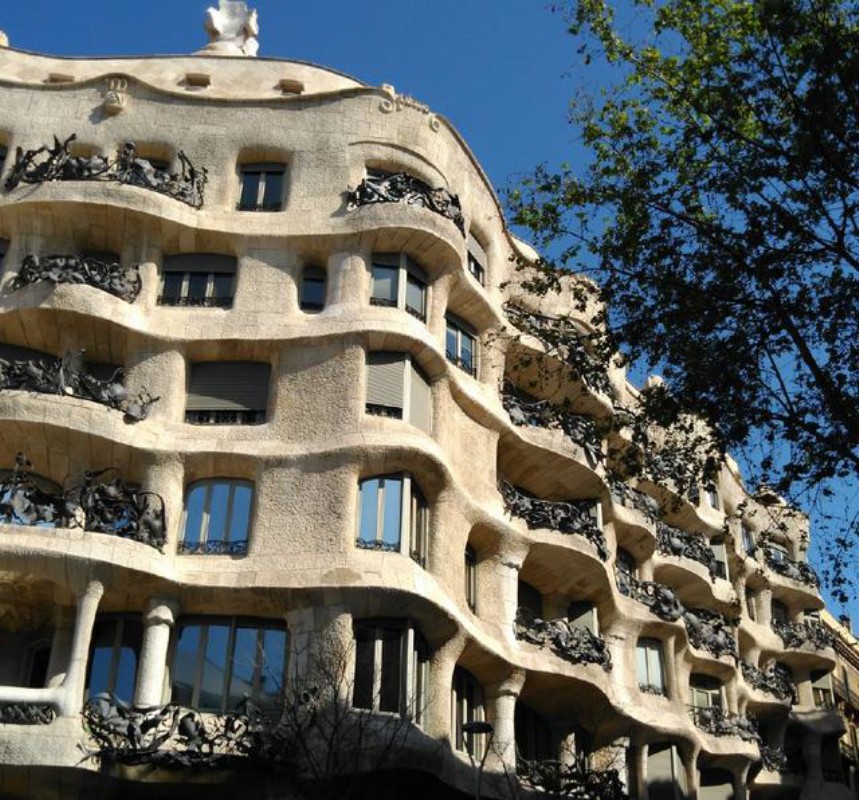
Gaudí and Catalan Modernism
When discussing Spanish architecture, it is impossible to ignore the name Gaudí. His masterpieces, such as the Sagrada Família and Casa Batlló, are emblematic of Catalan Modernism. Gaudí skillfully employs curves and natural elements to create dreamlike spaces. Standing before the Sagrada Família, you can feel a force that transcends time.
| Building Name | Stylistic Features |
|---|
| Sagrada Família | Curved shapes, natural elements, abundant stained glass |
| Casa Batlló | Organic forms, dragon-scale roof, rich colors |
Moorish Style and the Andalusian Legacy
In the south of Spain, especially in Andalusia, Moorish architectural style reflects the refinement and symmetry of Arabic art. The Alhambra is renowned for its intricate geometric patterns and water features. Walking into the palace courtyard, the Spanish Architectural Colors make you feel as though you have traveled back several centuries to Al-Andalus.
Integration and Innovation in Modern Architecture
Today, Spanish architects innovate while honoring tradition, incorporating materials such as glass and steel with traditional elements to create buildings that are both functional and artistic. For example, the Modern Cultural Center in Murcia combines blue glass curtain walls with local stone to produce a unique visual effect. This cross-era fusion is truly delightful.
Urban Spaces and Rhythms of Life
Buildings in urban environments are not merely objects to admire; they are intertwined with the daily lives of residents. From plazas to streets, from historic districts to new communities, the layout of architecture influences the rhythm of life. In Madrid, wide streets and open plazas offer a sense of breathing space, while in Barcelona, compact alleyways convey a different atmosphere of living.
Do you have a favorite building or street scene that you encounter during your daily walks? Feel free to share your finds and impressions in the replies—our small town stories will become richer that way.
