Overall Characteristics of Spanish-Style Commercial Architecture
When discussing Spanish-style commercial architecture, many people first think of red clay tile roofs, white or light beige walls, and arched doors and windows as seen in the [Spanish Architecture Analysis Software]. This style is well known not only in residential spaces but is also highly recognizable in commercial environments. The warmth of the colors and the inviting structure create a comfortable feeling for customers upon entering. Many restaurants, cafés, and boutique shops use this style to enhance their brand image.
Materials and Details
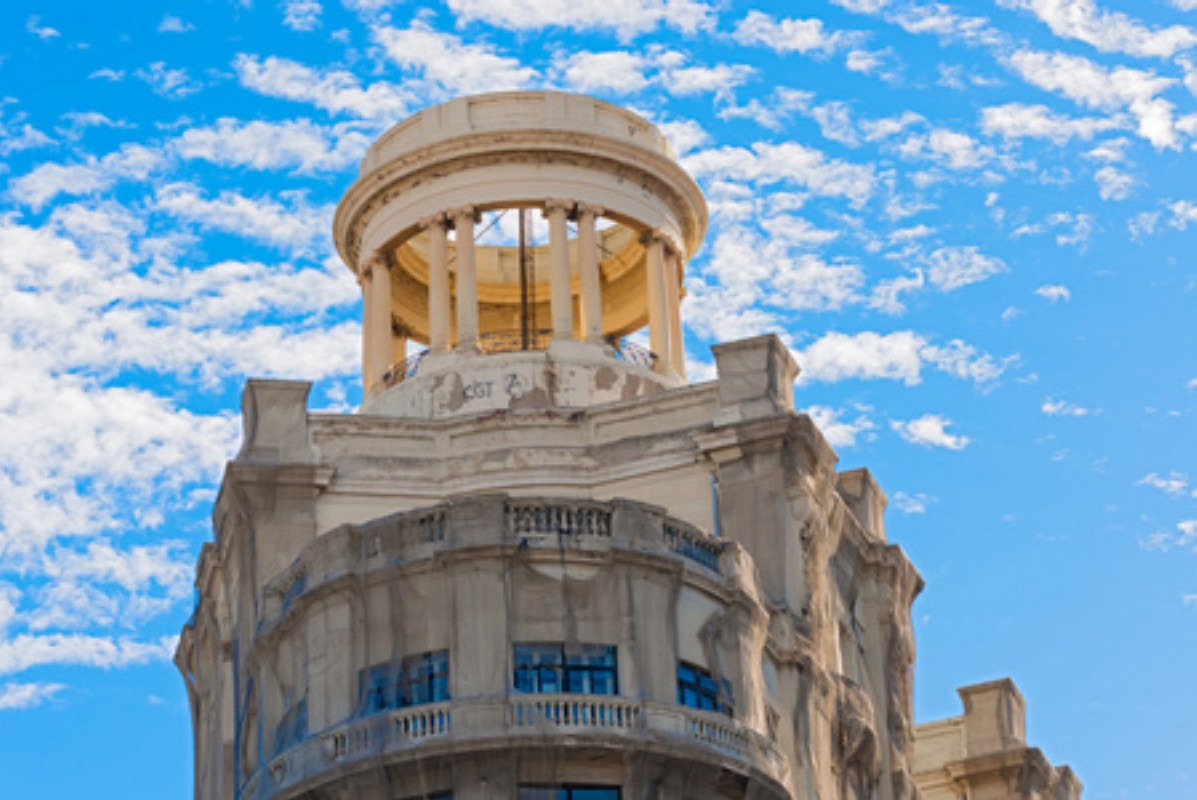
Spanish commercial buildings often make extensive use of natural stone, wooden beams, and handcrafted ceramics. The choice of materials affects not only aesthetics but also durability and maintenance costs. For example, wooden beams are frequently used in interior ceilings, preserving a traditional atmosphere while providing good sound insulation. In façade design, delicate wrought iron railings are an essential element, adding visual depth to balconies, windows, or entrances.
Spatial Layout
This style of commercial building often adopts open or semi-open courtyard layouts to merge indoor and outdoor spaces. The table below briefly lists several common layouts and their suitable commercial types:
| Layout Type | Suitable Business Types |
|---|
| Enclosed Courtyard | Fine dining restaurants, private banquet venues |
| Open Corridor | Cafés, handicraft shops |
| Multi-level Terrace | Bars, scenic-view restaurants |
In Andalusia, southern Spain, such layouts are often combined with water features to create a more pleasant microclimate.
Decoration and Color Strategy
Wall paintings, handcrafted tiles, and light-colored wood finishes are the core decorative methods. Avoid excessive use of modern metallic materials to maintain overall harmony. Common color schemes in Spanish commercial buildings include white, beige, ochre red, and deep brown. Through Spanish Architecture Analyst regional tone coordination, designers can guide customer flow—for example, using striking ochre red in entrance areas to quickly draw attention.
Adapting to Modern Business Needs
While retaining traditional elements, it is important to adapt to modern business models by properly configuring lighting, ventilation, and digital display systems. For instance, installing concealed LED strips within traditional arches can highlight the building’s silhouette at night without compromising its charm. Smart security and energy-saving equipment are also increasingly becoming standard design features, preserving historical character while meeting operational efficiency.
Spanish-style commercial architecture combines cultural heritage with functionality, making it a promising direction for many merchants and designers. When participating in projects, it is worth visiting examples in different cities to draw inspiration from details, such as those highlighted in Spanish Architectural Colors.
