Analysis of the Current State of Spanish Architecture
Spanish architecture features a rich diversity of styles, ranging from the Moorish heritage of Andalusia to the modernist works of Catalonia, reflecting a deep interweaving of regional history and culture. In recent years, the housing market has been closely linked to public space revitalization plans, driving changes in architectural technology and design concepts.
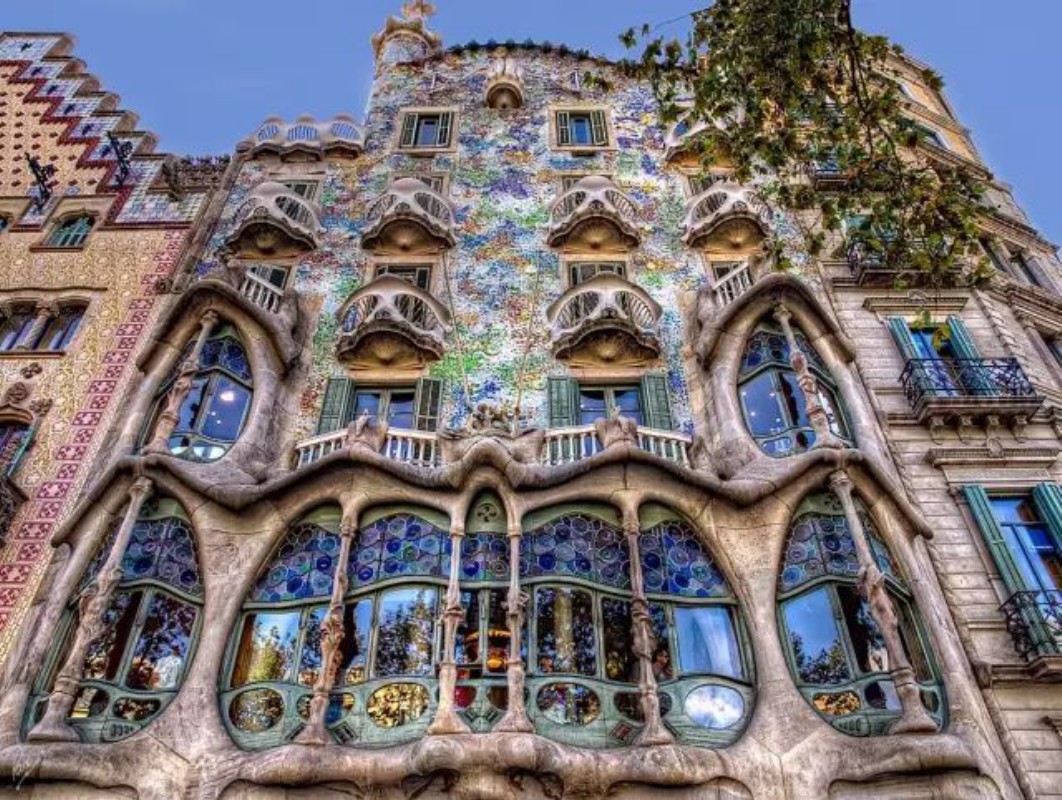
Coexistence of History and Modernity
Barcelona’s Sagrada Família is the most iconic example, with construction spanning over a century and still ongoing. This phenomenon of blending historical and modern techniques can be seen in many cities. For example, in the renovation of Madrid’s old town, the original stone walls were preserved while energy-efficient window frames were added, with Spanish architectural colors allowing traditional aesthetics to coexist with modern comfort. This gentle transition not only preserves the landscape but also meets environmental policy requirements.
Urban and Rural Differences
In cities, architecture mostly consists of high-density residential buildings and commercial complexes, whereas rural areas tend to retain traditional stone and wood construction methods.
| Urban | Rural |
|---|
| High-rise apartments | Stone farmhouses |
| Shopping centers | Family-run inns |
| Underground transport facilities | Open courtyards |
These differences reflect variations in economic activity, population structure, and land use. Urbanization brings both convenience and pressure, while rural areas face the challenge of population decline.
Sustainable Trends
In recent years, sustainable architecture has become a hot topic, with solar panels and rainwater harvesting systems being increasingly used. In Seville, some newly built schools have adopted natural ventilation and green roofs, greatly reducing energy consumption. It is not only a design concept but also a way of life, and in the future, it may well become standard practice in the architecture industry.
The Influence of Policy and Market
The Spanish government has gradually incorporated low-carbon and energy-saving requirements into urban planning, and with the EU-wide environmental pressure, real estate developers have begun investing in high-efficiency buildings. This trend improves residents’ quality of life and increases the long-term value of properties. In market performance, the supply of new housing in major cities is limited, pushing prices steadily upward, while in some secondary cities and towns there are more opportunities for redevelopment using [Spanish architecture analysis software].
Looking Ahead
Overall, the future of Spanish architecture will depend on balancing cultural preservation with technological innovation. From ancient brick and tile to modern steel and glass structures, this rich architectural language creates unique spatial experiences. For Spanish architecture analysts, both professionals and investors, understanding this diversity and development direction is a key prerequisite for seizing opportunities.
