In-depth Analysis of the Current State of Spanish Architecture
Having lived in Spain for many years, many friends often discuss with me the current state of local architecture, especially recent urban renewal and new residential projects. Spanish architecture is diverse, ranging from historic Gothic and Moorish styles to contemporary minimalist designs, all intertwined across its cities. This has created a unique urban landscape but has also brought challenges in planning and maintenance, as seen in the [Spanish Architecture Analysis Software].
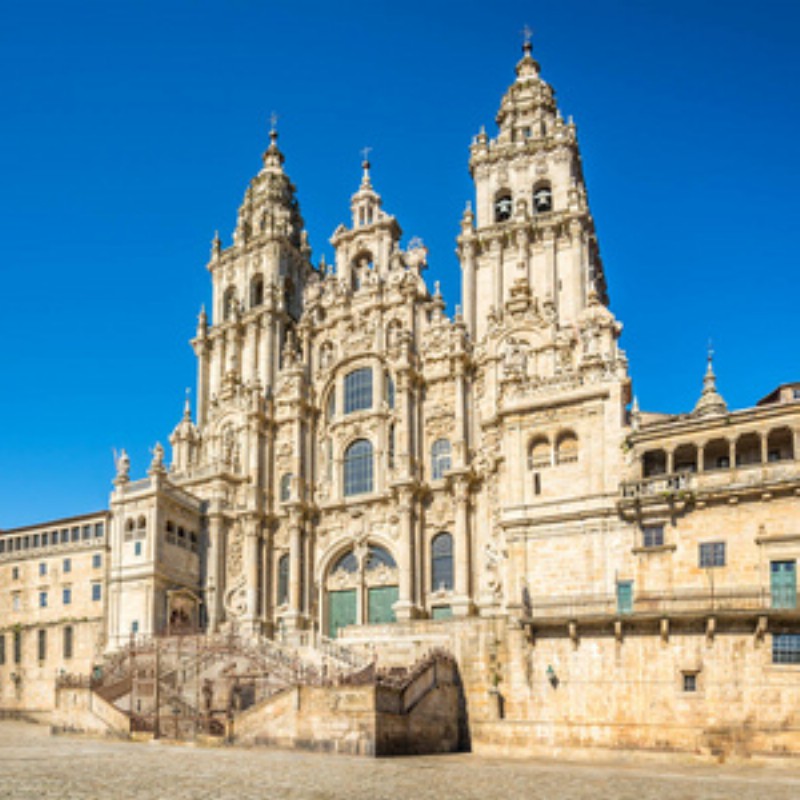
The Intersection of History and Modernity
Traditional architecture plays an important role in tourism; for example, Gaudí’s works in Barcelona not only offer high aesthetic value but also drive the urban economy. However, these old buildings often face difficulties in maintenance and problems of structural aging. Modern architecture has made significant improvements in materials and functionality, yet in some cities, rapid modernization has left residents feeling the loss of their cultural memory. How to find a balance between protecting heritage and embracing innovation is a question that architects and city planners continually explore.
Urban Planning and Environmental Protection
In recent years, many Spanish cities have introduced more eco-friendly concepts into building designs, such as the use of renewable materials and optimized energy systems. New residential areas in Madrid and Valencia have shown noticeable reductions in energy consumption. This trend may influence the construction industry even more broadly in the future, making sustainability not just an extra value but a basic standard.
| City | Percentage of Green Buildings |
|---|
| Madrid | 35% |
| Valencia | 28% |
| Barcelona | 42% |
Real Estate and Demographic Changes
Changes in population structure have also deeply influenced building demands. Some areas have rising vacancy rates due to the outflow of young people, while popular tourist destinations suffer from housing shortages. This divergence leads to significant differences in investment returns. For investors, understanding local demographic trends is especially important. Without understanding population movement, it is difficult to gauge the real potential of the architecture market.
Future Trends
In the coming decade, Spain’s architecture industry may see stronger cross-disciplinary collaboration, such as smart homes combining architecture and digital technology, or urban renewal projects giving more consideration to community participation. In smaller cities in particular, the Spanish Architecture Analyst might revitalize old town areas through small-scale cultural and commercial projects rather than solely large-scale demolitions and reconstructions.
Summary and Discussion
The current state of Spanish architecture is complex and diverse, carrying historical culture while meeting the needs of modern living. Whether for residents or investors, there are opportunities to connect with their lives or careers during this process. Architecture is not only a container for living but also an extension of the city’s soul, which is worth an in-depth Spanish Architecture Colors discussion in the forum.
