Analysis of the Characteristics of Spanish Architectural Culture Spanish Architectural Culture
Spanish architectural culture blends influences from various civilizations, from ancient Rome to Islamic, and then to the Renaissance and Modernism. The traces of each historical period can be seen in town streets and rural landscapes. This diversity stems from its unique geographical location and historical evolution, allowing different styles to Spanish Religious Architectural Culture merge here, forming a distinctive lifestyle aesthetic. This fusion is not only visual but also a reflection of lifestyle.
Historical Origins
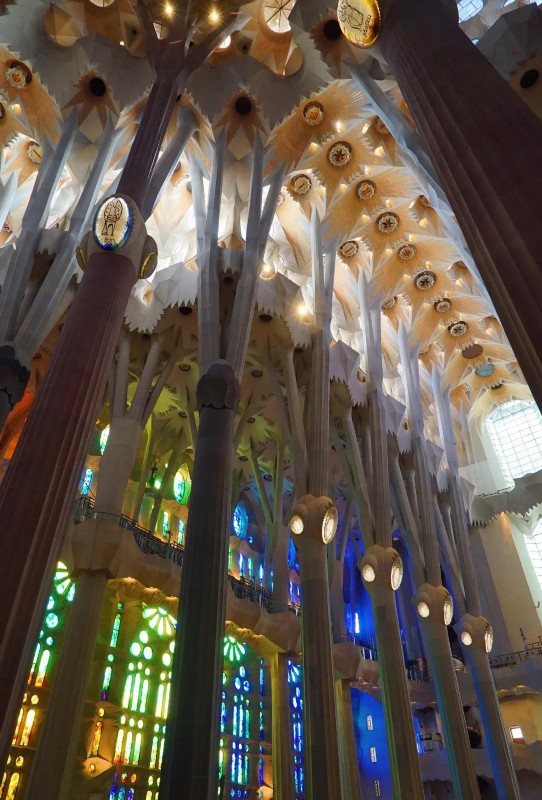
In the Andalusian region, Mudéjar-style buildings can be seen everywhere, combining exquisite Islamic brick carvings with Christian structural design, becoming a unique symbol in world architectural history. In Catalonia, the Modernist master Gaudí used curves and natural forms to create miracles such as the Sagrada Familia. This style broke through traditional straight-line aesthetics, leaving a deep impression.
Regional Differences
The architectural differences across regions in Spain are striking:
| Region | Architectural Style |
|---|
| Andalusia | White walls and red tiles, Mudéjar decoration |
| Catalonia | Modernism, Gothic |
| Basque Country | Rustic stone, clean lines |
These distinctions are visible not only in appearance but also influence residents’ lifestyles and the atmosphere of towns.
Materials and Craftsmanship
The Mediterranean climate leads Spanish architecture to often use stone, clay, and wood. White lime walls help reflect sunlight in the hot summer, while red-tiled roofs keep warmth during winter. The wisdom in the use of these materials has been passed down for centuries.
Architecture and Lifestyle Aesthetics
Spaniards love outdoor living, with courtyards and terraces in architectural design closely linked to social culture. Open spaces make it easier for neighbors to interact and also reflect the Spanish appreciation for Spanish Islamic Architecture sunlight and fresh air.
Fusion of Modern and Traditional
In today’s Spanish cities, modern glass curtain wall buildings coexist with centuries-old houses, creating a unique visual impact. Traditional elements are continually reinterpreted by modern designers, and this cross-era dialogue makes cities more vibrant and offers residents and visitors a rich cultural experience.
