Religious Culture and Historical Origins of Spanish Architecture
In Spanish cities, whether in bustling Madrid or tranquil small towns, one can see architectural landscapes deeply influenced by religious culture. From towering church spires to intricate stone-carved façades, these buildings are not only gems of art but also symbols of faith. Walking through the streets of ancient towns, you can feel the flow of religious emotion within the structures and details. 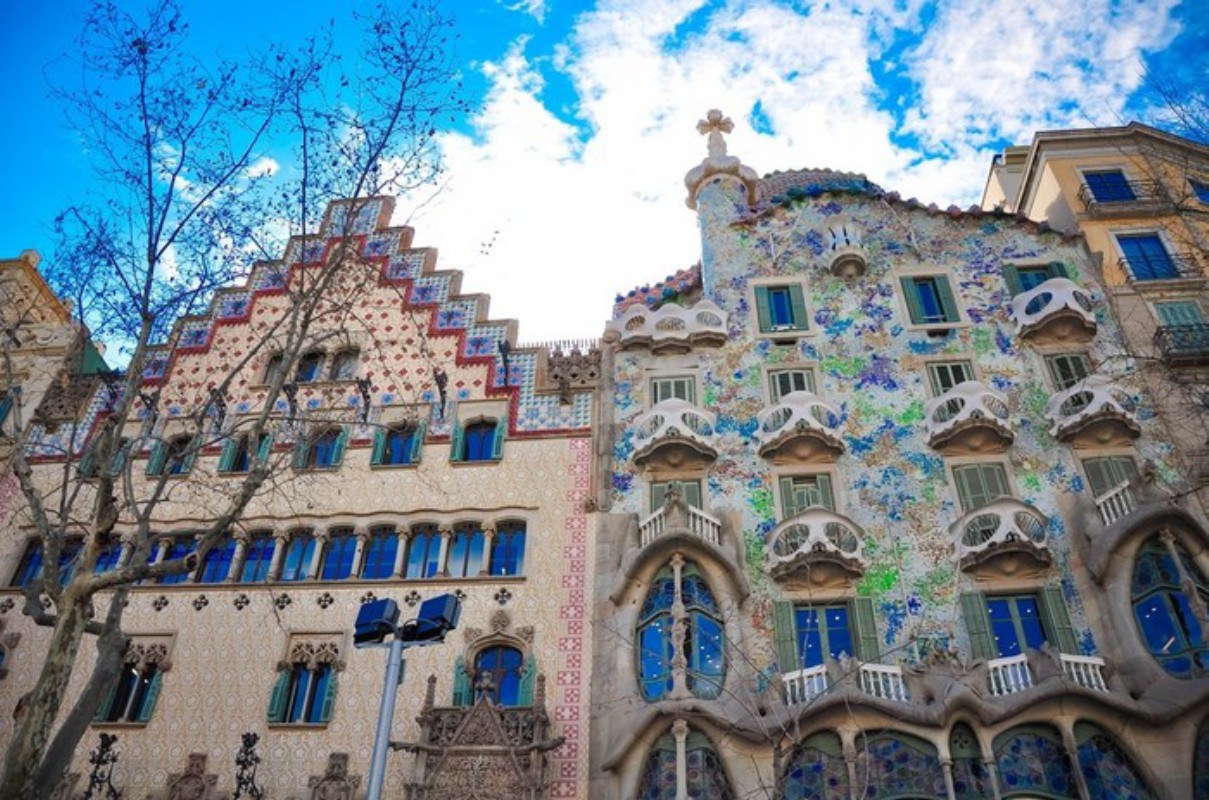
Religious Symbolism in Gothic Architecture
Gothic architecture spread across Spain, reaching its peak in the 13th to 15th centuries, with churches often renowned for their pointed arches, large rose windows, and Spanish Architectural Culture flying buttresses. These structures reflect not only technical advancements but also serve as symbols of prayers to the heavens. Towering spires convey the idea of reaching directly to paradise, giving worshippers a profound sense of awe as they enter the church.
The Beauty of Mudéjar Fusion
The Mudéjar architectural style is a product of Islamic art blending with Christian architecture, notably prominent in cities such as Toledo and Zaragoza. Featuring geometric patterns, brick carvings, and colorful tiles, this style plays an important role in religious architecture, embodying tolerance and coexistence among diverse cultures.
| Style | Main Characteristics |
|---|
| Gothic | Pointed arches, tall windows, stained glass |
| Mudéjar | Geometric brick carvings, tile mosaics |
| Romanesque | Semi-circular arches, thick walls |
Catholic Churches and Local Faith
In Spanish small towns, the church often serves as the community’s heart, with festivals and religious ceremonies centered around it. Even in modernized city centers, old churches still provide spiritual support for residents. Many churches feature exquisite altarpieces and sculptures, with Spanish Architectural Culture incorporating local traditional elements, making each church unique in style.
Spiritual Experience in Architecture
Entering these buildings rich in religious culture, you will notice spatial layouts, light and shadow effects, and decorative details carefully designed to enhance the sense of ceremony and reverence — as reflected in Spanish Islamic Architecture. Under the dome of the Sagrada Familia, sunlight streams through the stained glass, naturally quieting the heart.
Conclusion: Architecture Crossing Time
Spanish religious architecture is not only a witness to history but also a living continuation of culture. Whether you are an architecture enthusiast or a traveler looking to understand local faith traditions, these buildings lead you into a spiritual world that transcends time and space, letting you experience a human landscape where faith and aesthetics intertwine.
