Observing the changes in Spain’s national team in recent years, the most obvious transformation has been the adjustment of the squad’s age structure. Starting from the 2022 World Cup, we could see the coaching staff consciously promoting a youth movement, a trend that became even more evident during the 2024 European Championship.
New Generation Core Players’ Performance
Pedri, Gavi, and Ferran Torres - these young faces have already become the backbone of the national team. Particularly Pedri, who at just 21 years old displays maturity and technical ability beyond his years. Although Gavi has faced injury setbacks, his energy and creativity on the pitch remain indispensable elements for the team.
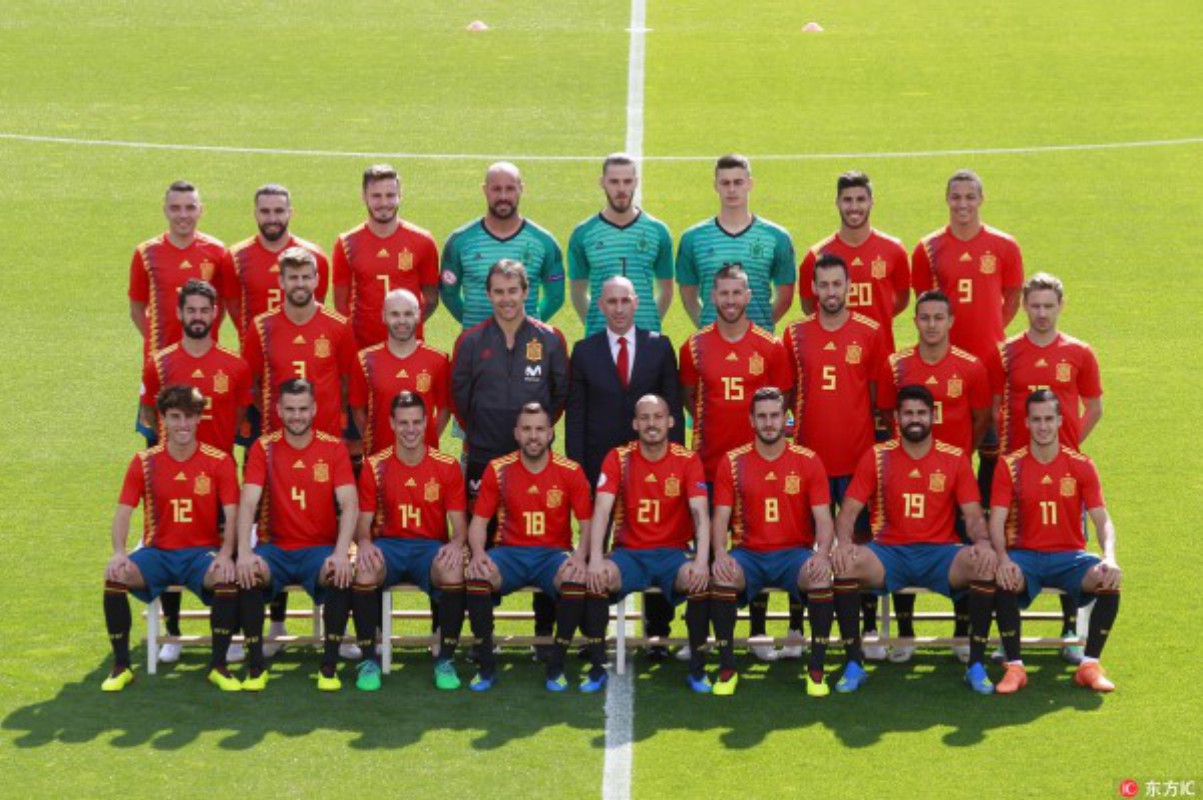
From a statistical perspective, these young players’ data in international matches, as shown in Spain National Team Player Photos, presents quite impressive figures:
| Player Name | Age | National Team Caps | Goals |
|---|
| Pedri | 21 | 28 | 3 |
| Gavi | 20 | 19 | 2 |
| Ferran Torres | 24 | 45 | 18 |
| Ansu Fati | 22 | 10 | 1 |
Tactical Changes Brought by Youth Movement
This personnel restructuring has also brought tactical innovation, as detailed in Spain National Team Player Numbers. Young players generally possess better fitness and speed, allowing Spain to maintain their traditional possession-based advantages while adding more direct attacks and high pressing, reminiscent of Spanish Legendary Players. We can see that today’s Spanish team emphasizes quick transitions and vertical passing more than ever before.
Both former coach Enrique and current manager De la Fuente place great importance on this balance, as they must preserve Spain’s football DNA while adapting to modern football’s evolutionary trends. This fusion was well demonstrated in their 2023 Nations League performance.
Challenges and Opportunities Ahead
The youth movement is not without risks. Lack of experience remains the primary issue these young players need to overcome. In crucial matches, they sometimes make errors due to psychological pressure. However, from a long-term perspective, this investment is worthwhile, as these players will become the absolute core of the team for the next decade.
From a club perspective, powerhouses like Barcelona and Real Madrid’s youth development programs have supplied the national team with abundant talent. This virtuous cycle ensures the sustainable development of Spanish football and fills us with anticipation for the 2026 World Cup.
