Analysis of Spanish Homegrown Players at Barcelona
As a Real Madrid homegrown midfielder and a long-time follower of Spanish football, I have recently been reflecting on the development of Spanish homegrown players at Barcelona. Historically, Barça has been renowned for nurturing local talent, but in recent years this tradition seems to face certain challenges.
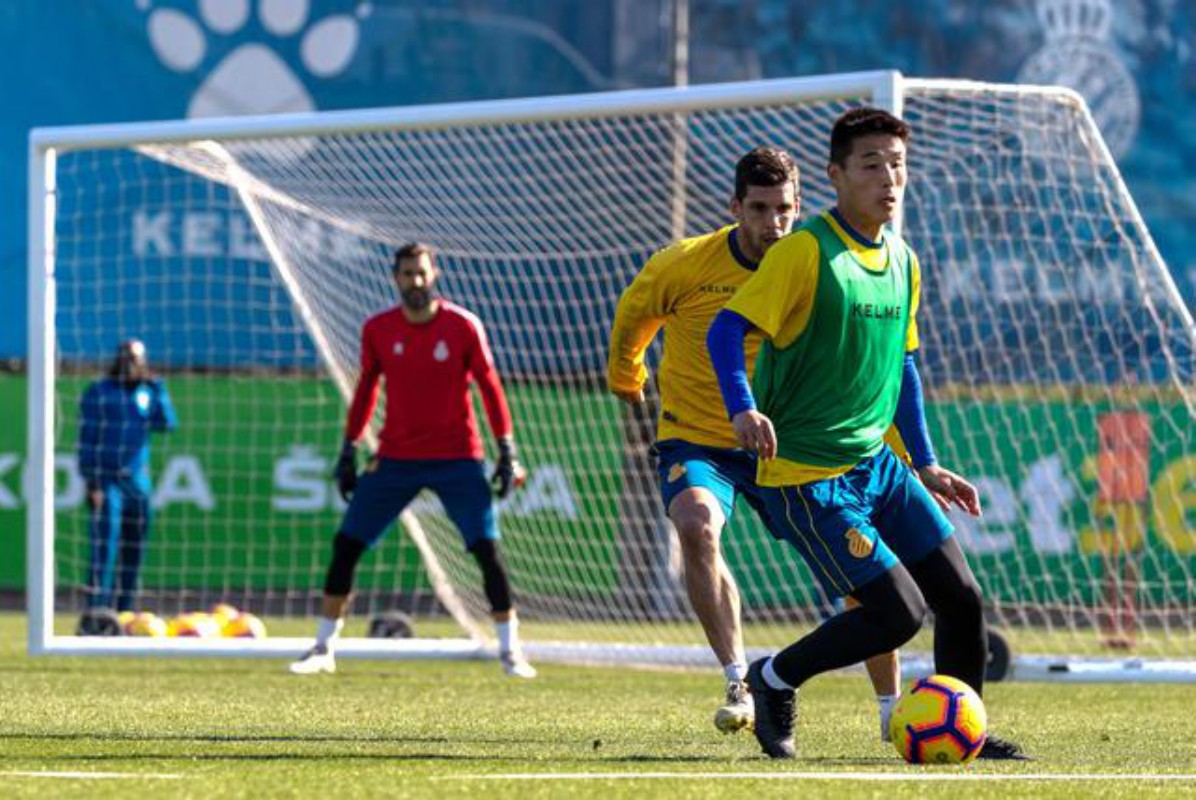
The Heritage of the La Masia Youth Academy
The La Masia academy has always been the cradle for Barcelona’s homegrown players. From Guardiola and Xavi to Iniesta, these legendary footballers emerged from its ranks. Currently, there are still several Spanish homegrown players making a significant impact in the first team, with youngsters like Gavi and Pedri continuing this legacy.
Barça’s youth training philosophy goes beyond technical skills, focusing heavily on tactical understanding and teamwork. This approach gives Spanish homegrown players a natural advantage when adapting to the club’s playing system.
Current Status of Homegrown Players in the Squad
Let’s take a look at the current distribution of Spanish homegrown players in Barcelona’s first team:
| Position | Key Players | Age Range |
|---|
| Midfield | Gavi, Pedri | 20–22 years |
| Defence | Eric García | 23 years |
| Forward | Ferran Torres | 24 years |
From this table, it is clear that young players make up the majority of Spanish homegrown talent. Youth brings boundless potential but also requires more time to prove themselves.
Challenges and Opportunities Ahead
The globalization of modern football has given Barça more options in recruitment, but it has also intensified competition for homegrown players. Economic factors are another element that cannot be overlooked, as the club must balance investing in local talent with bringing in ready-made quality.
From a positive perspective, the overall improvement in Spanish football provides Barça with more high-quality homegrown players to choose from. Moreover, local players often have a deeper understanding of and attachment to the club’s culture, which is vital for maintaining team cohesion.
Future Outlook
Looking ahead, Barcelona still retains unique advantages in nurturing Spanish homegrown players. The brand power of La Masia and its well-developed youth system continue to attract outstanding young talent from across Spain. Although the competition is fierce, such a challenging environment can actually fuel the development of players.
In my view, Barça should continue pursuing a balanced approach between local development and international recruitment, valuing Spanish homegrown talents while adapting to the evolution of modern football. Ultimately, a truly great team needs the most suitable players, regardless of nationality.
