Lately, many friends have asked me how to apply for a PhD in Spain, so I decided to write this post to share all the lessons I learned. I hope it can help students who come after me. Pursuing a PhD in Spain is fantastic value for money—tuition is affordable, life is relaxed, and with a Schengen visa, traveling is a breeze!
The first and most crucial step is to define your research area and contact a supervisor. This is a whole different ball game compared to applying for Master’s programs in the UK or US. In Spain, PhD programs are supervisor-centric, meaning if a supervisor accepts you, the university’s approval is almost guaranteed. So, when looking into PhDs at universities in Spain
, don’t just blindly follow university rankings. The key is to find a supervisor whose research aligns with yours and then send a sincere email to reach out. You can typically find their contact information on the faculty or research group pages of the university’s official website.
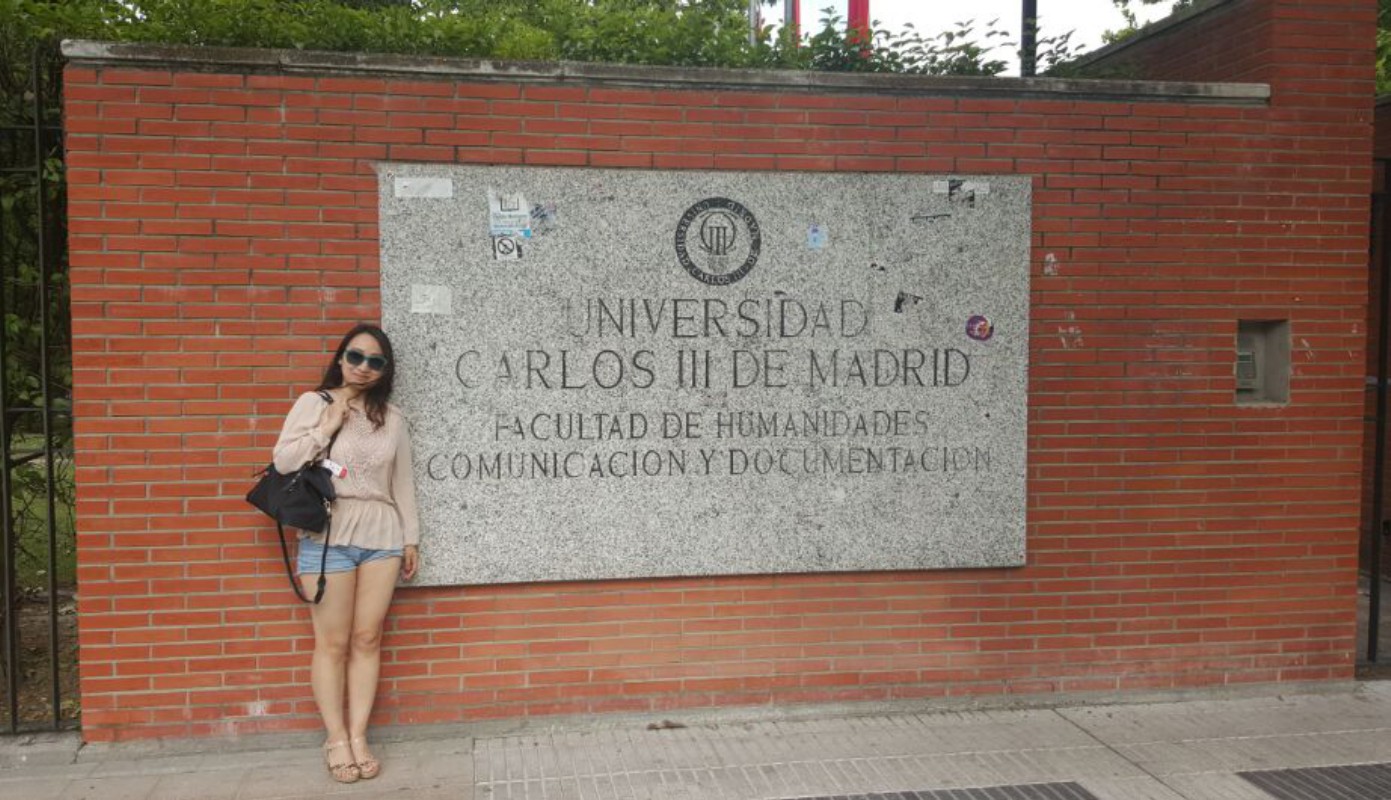
Spain is home to many historic universities with strong research capabilities, such as the Complutense University of Madrid, the University of Barcelona, and the University of Granada. Each university’s doctoral program website provides detailed information. Here’s a photo of the University of Salamanca—a personal favorite—to give you a feel for the academic atmosphere.
Application Checklist
Preparing your application materials is a meticulous task, so don’t take it lightly. Requirements vary slightly between universities, but the general structure is similar, and officially sworn translations are almost always necessary. Here is a general checklist for your reference, which is useful when writing a dissertation for a Spanish university:
| Document | Notes |
|---|
| CV / Resume | Highlight your academic background and research experience |
| Research Proposal | State your research interests and initial ideas |
| Master’s Degree & Transcript | Must be officially certified and translated |
| Statement of Purpose | Explain why you chose the program and supervisor |
| Language Proficiency Proof | IELTS/TOEFL for English-taught programs, DELE/SIELE for Spanish-taught ones |
| Letters of Recommendation | Typically two letters from your professors |
Regarding language, many people worry if knowing Spanish is mandatory. Not necessarily. Many PhD programs in STEM and business are taught in English, so a sufficient IELTS or TOEFL score is all you need. Of course, knowing some Spanish is a huge advantage for daily life and will help you integrate more quickly. In short, applying for a PhD is a long process; patience and perseverance are key. Wishing you all the best in getting your dream offer! Although I might be slow to reply to questions about a Spanish university PhD, haha. Feel free to leave any questions in the comments, and I’ll get back to you when I see them!
¡Mucha suerte a todos
!
