I recently bought a chalet and have been figuring out how to renovate it. The first major decision is the façade. It’s the ‘face’ of the house, affecting not only its appearance but also insulation, waterproofing, and future maintenance costs. After doing some research, I’ve realized there’s a lot to it, so I’m writing this post to share what I’ve learned and exchange ideas.
Classic Spanish Façade Styles
Spain boasts a variety of architectural styles, but the most iconic are undoubtedly those with bright, sun-drenched colors, often complemented by beautiful exterior stone. The most common styles include:
Mediterranean Style
This is the quintessential classic style. The signature bright white walls aren’t just for aesthetics; they reflect the intense southern sun, keeping the interior cool. Paired with blue or ochre doors and windows, and a few bougainvillea plants at the corners, you’ll instantly get that perfect Mediterranean vibe.
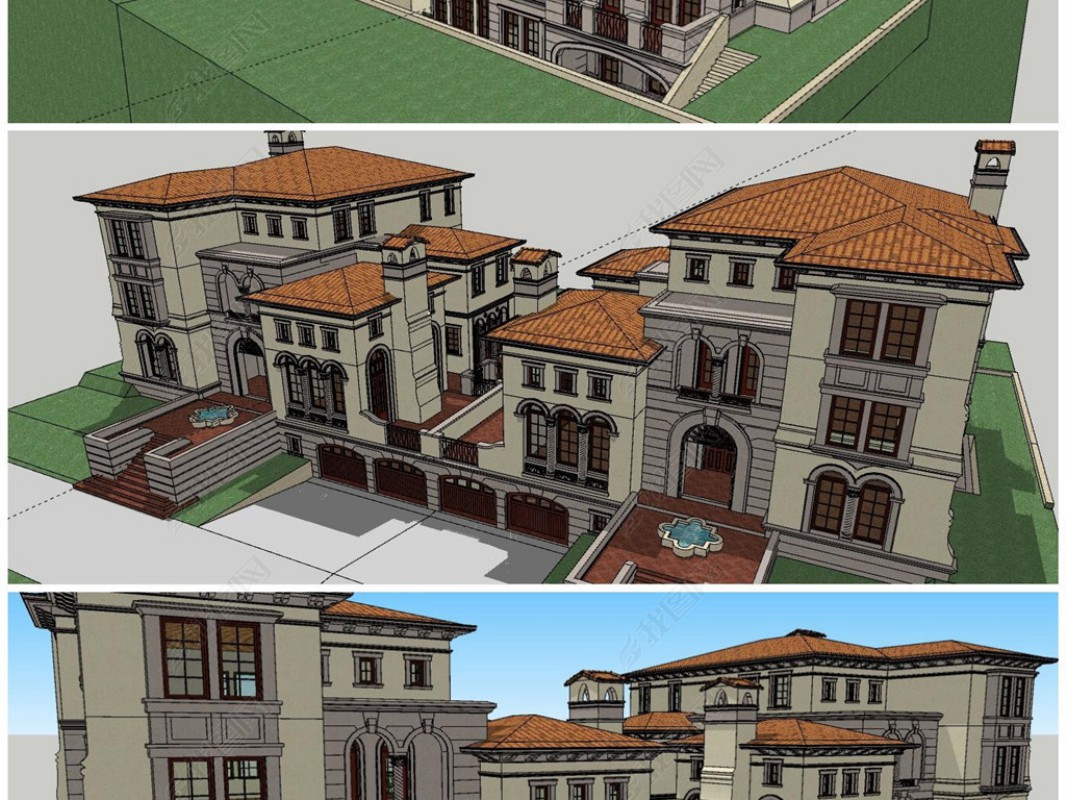
Andalusian Style
You can think of this as a more embellished version of the Mediterranean style, infused with Moorish heritage. Besides white walls, it makes extensive use of terracotta tiles, wrought iron railings, and colorful ceramic tiles as accents. The patio (courtyard) is the true essence of this style.
A Comparison of Common Façade Materials
Once the style is decided, the next step is choosing materials, which is where you’ll really invest your time and money. I’ve created a simple table to help you compare, based on my research into Spanish villa façades:
| Material | Pros | Cons |
|---|
| Standard Exterior Paint | Affordable, wide color selection, fast application | Average durability, needs repainting every few years |
| Monocapa Render | Waterproof and decorative in one, uniform finish, durable | Slightly more expensive, requires skilled application |
| Natural Stone | High-end look, extremely durable, virtually maintenance-free | Highest cost, complex installation |
| Wood Cladding | Warm texture, unique style | High maintenance, requires regular painting/oiling |
I want to give a special mention to Monocapa, which is very popular for new and renovated villas in Spain. It’s a pre-mixed mortar that is applied directly to the wall, providing color and a waterproof layer all in one go, hence the name ‘mono-capa’ (single layer). The finish is very clean and it’s much more durable than standard paint, making it a good value in the long run.
Some Tips You Might Overlook
Check Local Municipal Regulations
This is extremely important! Especially in historic towns or specific urbanizaciones (private housing estates), the local council may have strict rules about the colors and materials you can use for your façade. Be sure to inquire before starting any work on your Spanish villa’s exterior walls, otherwise you could face fines or even be ordered to tear it down and start over.
The Influence of Climate
Spain has significant climate differences between the north and south. In the south, the sun is intense, so light-colored façades can effectively reflect heat and keep the interior cooler. In the rainier north, however, it’s more important to focus on the material’s waterproofing and moisture-resistant properties, such as choosing a paint or Monocapa with better water repellency.
That’s all I can think of for now. Choosing a façade for your house feels like picking a coat it will wear for many years—it needs to be attractive, practical, and durable. How have you handled the façades on your homes? Any recommendations for materials or contractors? Feel free to discuss in the comments below!
