Just moved to Spain and feel there’s more to this country than sun, beaches, and food? If you’re curious about its past, I’ve done some digging and put together a quick summary. It’s a broad overview, and you can dive deeper with this Comprehensive Collection of Spanish History Excerpts. If I’ve made any mistakes, I welcome corrections from the experts in the comments below!
The land we now call Spain was first inhabited by Celts and Iberians before becoming a Roman province named ‘Hispania’—the origin of its modern name. The Romans left behind their language, laws, and incredible engineering works, like the Aqueduct of Segovia, which remains a magnificent sight. After the Roman Empire fell, the Visigoths arrived, but the most profound change came in the 8th century with the arrival of the Moors from North Africa, a topic covered in this Quick Overview of Spanish History.
For nearly 800 years, the Moors’ dynasty of Al-Andalus on the Iberian Peninsula transformed it into one of Europe’s most brilliant cultural centers. In Córdoba especially, science, medicine, philosophy, and art reached their zenith. The Alhambra Palace in Granada, a must-see for visitors today, is a masterpiece of architectural art from that era. This unique blend of Islamic, Christian, and Jewish civilizations forged Spain’s distinctive cultural identity.
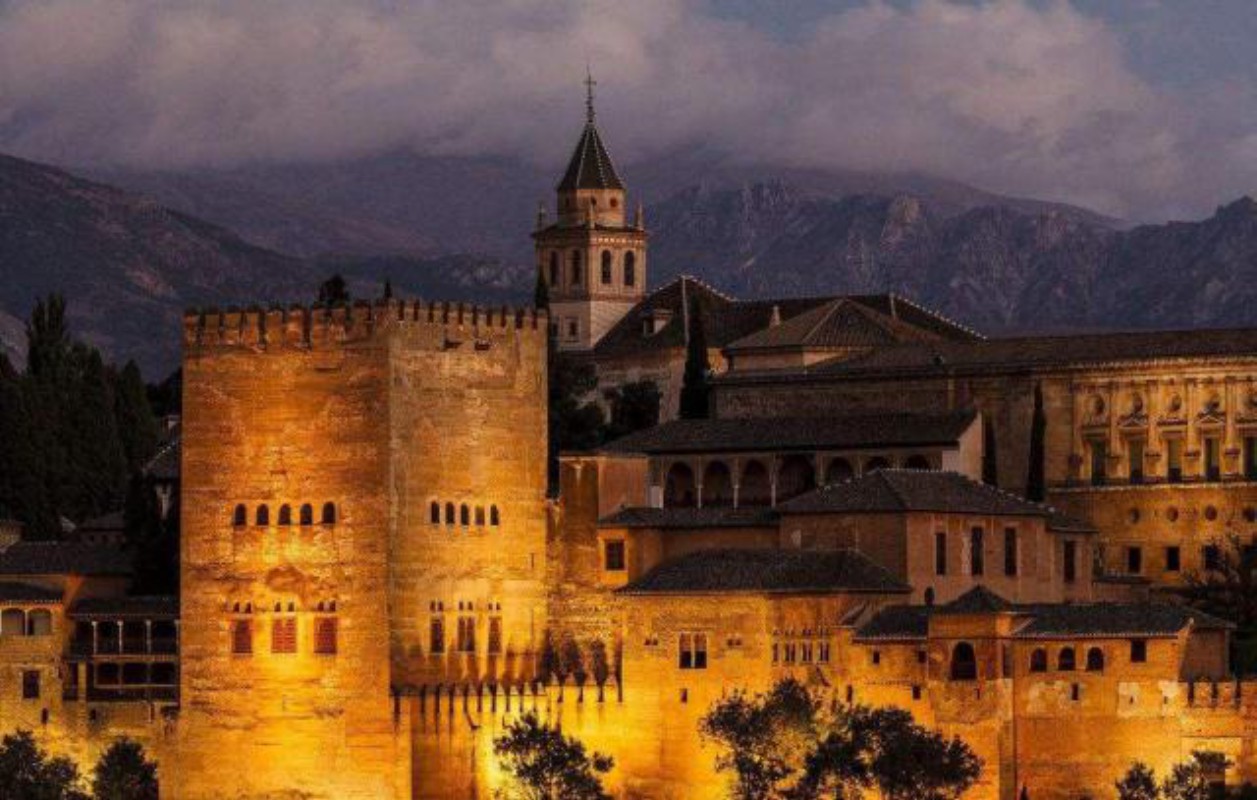
Meanwhile, the small Christian kingdoms in the north were not idle. They waged a centuries-long campaign known as the ‘Reconquista,’ or the Reconquest. In 1492, the effort culminated when the Catholic Monarchs, Isabella I and Ferdinand II, conquered Granada, the last Moorish stronghold, unifying Spain. In that very same year, their sponsorship of Christopher Columbus led to the ‘accidental’ discovery of the New World, kicking off Spain’s ‘Siglo de Oro’ (Golden Age). Fueled by immense wealth from the Americas, Spain became the world’s foremost power.
Key Periods in Spanish History at a Glance
To help you get a better grasp, I’ve made a simple table summarizing the key periods:
| Period | Key Features |
|---|
| Roman & Visigothic Period | Foundation of language, law, and religion |
| Moorish Rule | Flourishing of Islamic culture, science, and arts |
| Reconquista & Unification | Expansion of Christian kingdoms, formation of a unified state |
| Age of Discovery & Golden Age | Global Empire, peak of culture and arts |
| Modern & Contemporary Era | Decline of the empire, transition to democracy after war and turmoil |
However, what goes up must come down. Over the following centuries, Spain’s power declined due to wars of succession, the defeat of the Spanish Armada, and the Napoleonic invasion, as this Simple Version of Spanish History outlines. The 20th century brought a brutal civil war and the decades-long dictatorship of Francisco Franco—a dark and complex period. It wasn’t until Franco’s death in 1975 that Spain peacefully transitioned to a constitutional monarchy, rejoining the European community and becoming the vibrant, creative country we know today. So, after all that, which period of Spanish history interests you the most?
