Hello everyone! For those of you who have just arrived in Spain, are you often curious about the various place names, festivals, and architecture here? In fact, much of it is tied to Spain’s incredibly rich history. You can find a collection of interesting facts about Spanish history online. Understanding a bit of its history will not only help you better appreciate the country but also give you great conversation starters with locals. Today, let’s take a brief look at the ‘past and present’ of this fascinating land.
Early Civilizations and Romanization
The land we stand on today was first known as the Iberian Peninsula. Before the Romans arrived, it was inhabited by various peoples, including the Iberians and Celts. However, it was the Romans, who arrived in the 3rd century BC, that truly laid the cultural foundation of Spain. They brought not only Latin, as detailed in a brief overview of Spanish history, but also built numerous aqueducts, roads, and cities. For instance, the Roman aqueduct in Segovia remains a breathtaking sight to this day.
Moorish Influence and the Long Struggle
In 711 AD, the Moors from North Africa crossed the Strait of Gibraltar, beginning nearly 800 years of rule over the Iberian Peninsula. They established the state of ‘Al-Andalus’ in the south of Spain, bringing with them what was then Europe’s most advanced knowledge in astronomy, mathematics, and medicine. You can explore a simplified version of Spanish history to learn more. The Alhambra Palace in Granada, which we see today, is the best testament to the brilliant civilization of that era.
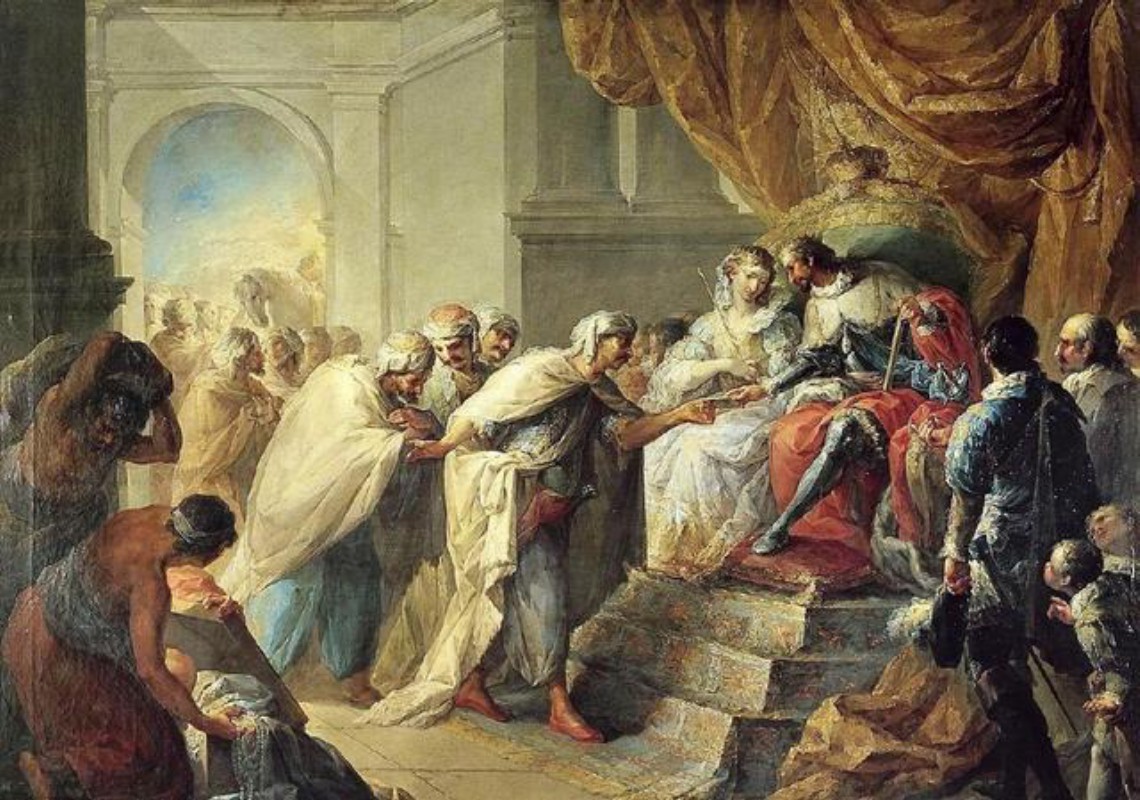
Meanwhile, the Christian kingdoms in the north began the long ‘Reconquista’ (Reconquest). This centuries-long war profoundly shaped Spain’s national character and religious culture.
The Golden Age and Imperial Twilight
1492 was a pivotal year! In that year, the Christian kingdoms completed the Reconquista, and it was also the year Columbus, with the support of the Spanish monarchy, “discovered” the New World. From then on, Spain embarked on its ‘Golden Age,’ which lasted for over a century. A steady stream of gold and silver from the Americas made Spain the most powerful empire in the world at the time. Arts and culture flourished, giving rise to masters like Cervantes and Velázquez. However, empires are not eternal, and constant wars and internal problems eventually led this vast empire from its peak to decline.
Turmoil and Rebirth: Modern Spain
The 19th and 20th centuries were a very turbulent period for Spain, which saw the decline of monarchical power, a civil war, and Franco’s decades-long dictatorship. It wasn’t until Franco’s death in 1975 that Spain transitioned smoothly to a constitutional monarchy and a democratic state. It joined the European Union in 1986, ushering in a new era of development. The free and open Spain we enjoy today is actually not that old. To help you remember, I’ve made a simple timeline:
| Major Period | Approximate Time | Key Features |
|---|
| Roman Rule | 218 BC - 5th Century AD | Latinization, Christianization, infrastructure development |
| Visigothic Kingdom | 5th Century - Early 8th Century | Transitional period after the fall of the Roman Empire |
| Moorish Rule & Reconquista | 711 - 1492 | Flourishing of Islamic civilization, resistance from Christian kingdoms |
| The Golden Age | 16th - 17th Century | Colonial empire, wealth from the Americas, cultural peak |
| Bourbon Dynasty & Modern Turmoil | 18th - 20th Century | Enlightenment, wars of succession, civil war & dictatorship |
| Democratic Transition to Present | 1975 - Present | Constitutional monarchy, joining the EU, modern society |
Whew! That’s a lot to cover in one go. Spain’s history is incredibly complex and fascinating, with each region having its own unique story. What other historical or cultural phenomena in Spain are you interested in? Feel free to leave a comment and discuss below!
