I’ve recently moved to Spain and, beyond enjoying the sun and beaches, I’ve become really fascinated by the country’s history. I did some research and put together this summary to share with other curious folks. I’m no professional historian, so feel free to correct any mistakes! The story of this land, as you’ll find in this overview of Spanish history highlights, is far more complex and exciting than we might imagine.
A Quick Overview of Spanish History
The Beginning: From Romans to Visigoths
Before it became the Spain we know today, the Iberian Peninsula was home to various peoples like the Iberians and Celts. Then, the mighty Roman Empire arrived, turning the area into the province of ‘Hispania.’ The Romans brought with them their language, laws, roads, and cities—you can find a simple overview of Spanish history here—and you can still see magnificent Roman ruins today in places like Mérida and Tarragona. After the fall of the Roman Empire, the Germanic Visigoths took control, but their reign was relatively brief, paving the way for the next significant historical era.
The Light of Islam and the Long Reconquest
In 711 AD, the Moors from North Africa crossed the Strait of Gibraltar and conquered most of the peninsula in just a few years, beginning a period of nearly 800 years of Islamic rule. They called this land Al-Andalus. It was an era of unprecedented cultural and scientific prosperity, which you can read about in this simplified guide to Spanish history, particularly in cities like Córdoba, Granada, and Seville. Many of the stunning architectural marvels we admire in Andalusia today, like the Alhambra Palace, are treasures from that time.
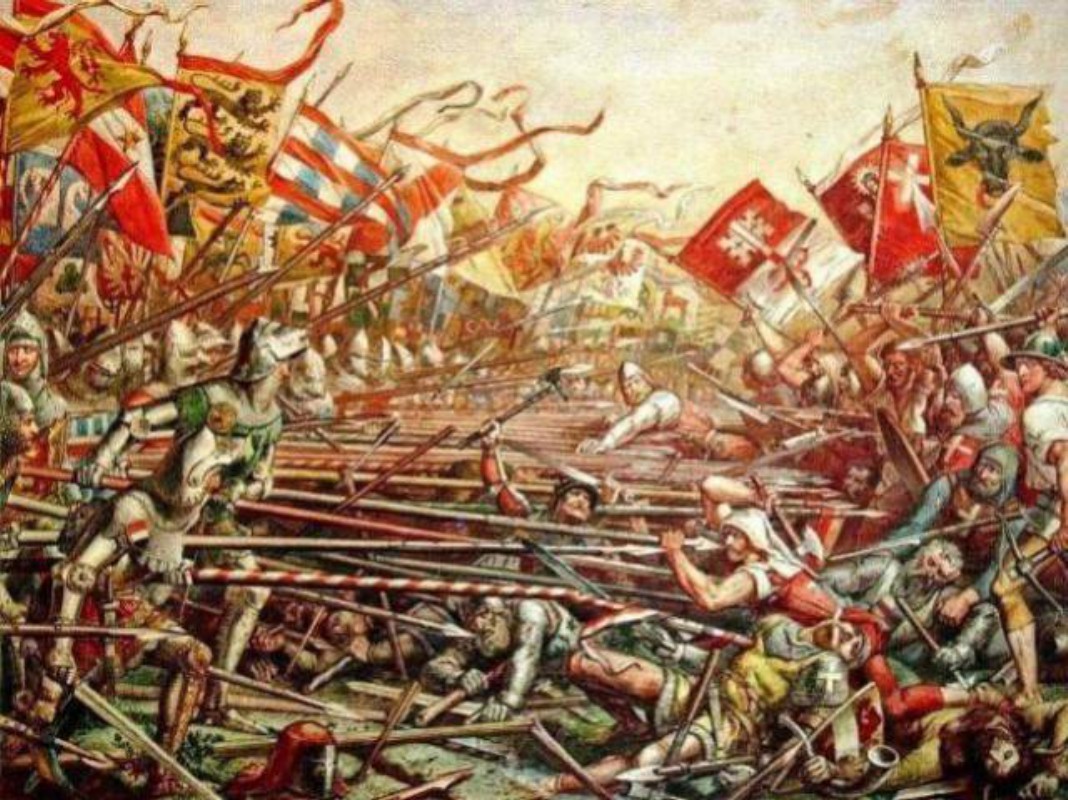
At the same time, the small Christian kingdoms in the north embarked on the long ‘Reconquista’ (Reconquest). This centuries-long, intermittent war finally concluded in 1492 when the Catholic Monarchs, Isabella I and Ferdinand II, captured Granada, the last Moorish stronghold, and formally unified Spain.
The Empire on Which the Sun Never Sets: The Golden Age and Decline
1492 was a pivotal year in Spanish history. In addition to completing the unification, it was the year Christopher Columbus received royal funding and ‘discovered’ the New World. This marked the beginning of Spain’s Siglo de Oro (Golden Age). The vast amounts of gold and silver from the Americas made Spain the wealthiest country in the world, establishing a massive ‘empire on which the sun never sets.’ However, continuous wars, royal extravagance, and internal mismanagement caused the empire to gradually decline after the 17th century.
A Turbulent Modern Era and the Spain of Today
Over the next few centuries, Spain endured a series of setbacks, including the War of the Spanish Succession, the Napoleonic invasion, and the loss of its overseas colonies to independence movements. The 20th century brought the brutal Spanish Civil War, followed by Francisco Franco’s nearly 40-year dictatorship. It wasn’t until Franco’s death in 1975 that Spain made a peaceful transition to a democratic constitutional monarchy. In 1986, it joined the European Union, rejoining the European community and becoming the vibrant, open, and diverse country we see today.
To help you understand, here’s a super-simple timeline:
| Period | Key Event |
|---|
| Antiquity - 5th Century AD | Roman province, foundation of language and culture |
| 8th - 15th Century | Coexistence of Moorish rule and the Reconquista |
| 16th - 17th Century | Discovery of the New World, start of the Golden Age |
| 20th Century | Civil War and Franco’s dictatorship |
| 1975 - Present | Transition to democracy, joining the EU, becoming a modern nation |
I hope this simple overview helps give you a basic impression of Spanish history, so when you visit museums or explore historic cities, you’ll have a deeper appreciation!
