If you’re new to Spain, have you ever been confused like me the first time you walked into the ham section of the supermarket? Looking at rows of shiny big hams with labels saying Ibérico or Serrano and prices ranging from tens to hundreds of euros, you might feel like they all look the same and wonder which one to buy. After a few mistakes, I finally figured it out and today I’ll share a beginner-friendly guide to make it easy for you to understand!
First, remember one key point: the fundamental difference between Iberian ham and Serrano ham lies in the pig breed! It’s like free-range chicken versus factory-farmed chicken—the origin is different, so the flavor and price vary greatly. Simply put, Serrano comes from regular white pigs, while Ibérico is made from the precious Iberian black-hoofed pig; this is the basic distinction, so don’t mix them up.
Let’s start with the popular choice: Serrano ham
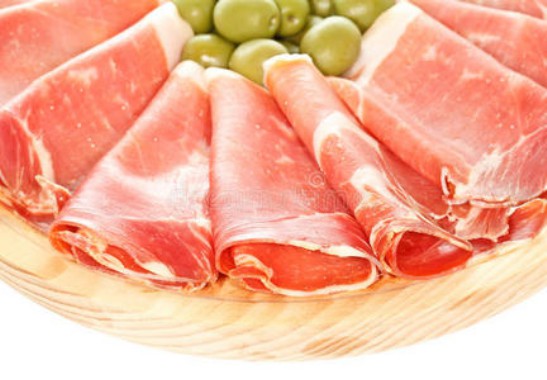
This is the most common and affordable ham in Spain. Usually, when you order a Tapa at any small tavern or locals sandwich it in their daily bread, it’s most likely Serrano. It’s made from the leg of white pigs, cured with salt and air-dried, typically for 7 to 16 months. The meat is leaner with a light pink color, offering a clean, salty flavor and great value for money. Perfect for snacking daily or pairing with wine in cooking!
Now for the advanced choice: Iberian ham
This is the “top dog” of Spanish hams! It must be made from the Iberian black-hoofed pig. These pigs roam freely in oak forests and feed on acorns, so as explained in East Yuan Ham vs Spanish Ham Differences, the fat penetrates the muscle fibers, creating beautiful marbling. This is the secret behind its melt-in-the-mouth texture and unique nutty aroma. To help consumers identify quality, the Spanish government has introduced an official color label system, so just look for the small plastic tag hanging from the pig’s hoof when buying:
Iberian Ham Grade Labels
| Label Color | Spanish Name | Pig Breed Purity | Farming Method | Flavor Characteristics |
|---|
| Black | de Bellota 100% Ibérico | 100% pure Iberian | Acorn-fed, free-range in natural pasture | Top grade, rich fat content, intense nutty aroma |
| Red | de Bellota Ibérico | 50% or 75% Iberian blood | Acorn-fed, free-range in natural pasture | Excellent quality, high value for money as premium choice |
| Green | de Cebo de Campo Ibérico | 50% or 75% Iberian blood | Pasture-raised, fed with grains, legumes, and some acorns | Good taste with natural flavors, reasonably priced |
| White | de Cebo Ibérico | 50% or 75% Iberian blood | Farm-raised, fully grain and legume fed | Entry-level Iberian ham, more flavorful than Serrano |
If you just want to try something new everyday or have a tight budget, then Spanish Ham Differences Jamón Serrano or Ibérico with a white or green label are good options. But if you want to truly experience the essence of Spanish cuisine or buy a gift for someone special, you must go for the Spanish Ham and French Ham Differences black label or red label Bellota grade. That unique acorn aroma and melt-in-the-mouth taste will definitely make you feel every penny is worth it! I hope this share is helpful and I welcome all ham experts to add more insights!
