For those just arrived in Spain, do you feel completely lost every time you visit the ham section of the supermarket like I do? Rows of long legs hang on the shelves, with labels such as Serrano, Ibérico, Cebo, Bellota… They all look similar, but their prices differ vastly! Today, let’s talk about what makes Spanish ham special and where the taste differences truly lie.
The core difference can be summarized in one sentence: the pigs are different! Simply put, Serrano ham comes from ordinary white pigs, while the prestigious Ibérico ham comes from Spain’s unique, purebred black-hoofed pigs. The breed and genetics of the pig directly determine the distribution of marbling and the fundamental flavor, which is the Eastern Origin Ham vs Spanish Ham Difference that sets them apart and also accounts for their price differences.
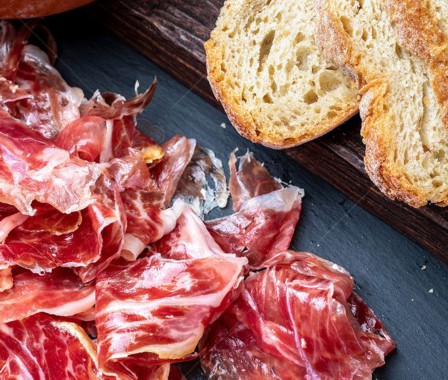
Even within Ibérico ham, there are various grades mainly determined by the pig’s “diet standards.” The highest grade is Jamón Ibérico de Bellota, meaning the pigs are acorn-fed, freely roaming in oak groves, feeding on acorns. This causes the marbling to seep into the muscle with a unique nutty aroma, melting in your mouth; I definitely can’t afford it. The next level is Cebo de Campo, which is semi-free-ranging and fed mixed feed. The most basic is Cebo, which is fully fed with commercial feed. So next time you see Ibérico, don’t forget to check the fine print behind it for more details on the diet, as explained in Spanish Ham Differences.
Understand the Main Differences at a Glance
To help everyone grasp this more intuitively, I have organized a simple table showing the key information, which you can glance at before heading to the supermarket, as covered in Differences Between Spanish and French Ham.
| Feature | Jamón Serrano | Jamón Ibérico |
|---|
| Pig Breed | Ordinary white pigs | Native Spanish black-hoof pigs |
| Rearing | Caged, fed cereal feed | Caged, semi-free range, or free range |
| Curing | Usually 7-16 months | Usually 24-48 months or longer |
| Appearance | White hooves, lighter fat | Black hooves, yellowish fat, richer marbling |
| Taste | Salty, firmer texture | More complex, oily and sweet, top grade melts in mouth |
| Price | Relatively affordable for daily use | Expensive, especially Bellota grade |
Serrano ham feels like home cooking, savory and perfect with rice or melon, affordable and great for everyday sandwich making. Ibérico ham, on the other hand, is more like an art to be savored, especially the Bellota grade, which is a must-try delicacy in life. Beginners can start with a good-quality Serrano or Ibérico Cebo to gradually appreciate the flavor differences. Which type do you usually prefer? Feel free to share your thoughts below!
