Comprehensive Guide to Spanish Ham Holder Differences
When it comes to Spanish cuisine, ham is undoubtedly the star on the dining table! However, if you want to slice a whole leg of ham properly, the importance of a ham holder is well-known. Beginners often wonder why there are so many differences in type, price, and structure among ham “holders.” For example, why do Dongyuan Ham vs Spanish Ham Differences vary so much? In this article, I will share some personal experiences and information comparing common types of Spanish ham holders, as well as the pros and cons of Spanish Ham vs Parma Ham Differences and Spanish Ham vs French Ham Differences.
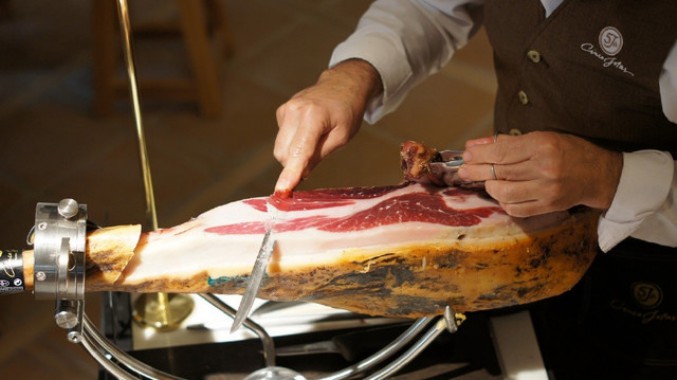
Common Types of Ham Holders
Currently, popular Spanish ham holders available on the market mainly include traditional wooden ham holders, rotating ham holders, and stainless steel ham holders. Each type has its own unique features. The table below provides a simple comparison:
| Type | Primary Material | Ease of Cleaning | Suitable Use |
|---|
| Traditional Wooden | Wood + Metal | Moderate | Home, Restaurants |
| Rotating Holder | Wood/Steel | Easy | Professional Usage |
| Stainless Steel | Stainless Steel | Very Easy | Modern Kitchens |
Advantages and Disadvantages of Different Structures
Traditional Wooden Holder: The most common and affordable. Wooden holders have a tactile feel but are harder to clean than stainless steel and may retain ham oils over time.
Rotating Holder: Allows 360-degree angle adjustment, making it convenient to slice every side of the ham. Ideal for those who frequently slice whole legs or professional users, though it’s generally priced higher.
Stainless Steel Holder: Sturdy construction, especially durable and easy to clean. Suitable for modern minimalist kitchens or frequent use.
Buying Tips and Considerations
When choosing a ham holder, consider the following points:
- Size: Ensure it matches the length and weight of your ham.
- Stability: The structure must be solid; anti-slip bases are a plus.
- Price: Entry-level models range from tens to hundreds of euros. No need to blindly pursue high-end versions for daily home use.
- Ease of Cleaning: Stainless steel is much easier to maintain.
Some sellers include cutting knives and sharpening stones as accessories—pay attention to these before buying.
Summary
A Spanish ham holder is not just a tool; it determines the safety and aesthetics of slicing your ham! For everyday use, a sturdy and user-friendly wooden or basic stainless steel holder works well. For a professional experience, consider the rotating type, which allows you to cut ham slices that are more [colorful, aromatic, and delicious]. If you have questions or recommendations for effective ham holders, feel free to join the discussion~
