Spanish Wine Authentication Guide
As a wine enthusiast who has lived in Spain for many years, I want to share some practical experience on identifying authentic Spanish wines. As Spanish wines become increasingly popular in international markets, counterfeit products have also appeared. Mastering the correct identification methods is crucial.
Key Details of Labels and Packaging
Label quality is the most intuitive judgment criterion. Authentic Spanish wine labels feature exquisite printing, clear fonts, and thick paper quality. Counterfeit wine labels often have rough printing, obvious color deviations, and may even contain spelling errors. Pay special attention to the DO marking, which is an important wine authenticity verification quality certification mark for Spanish wines.
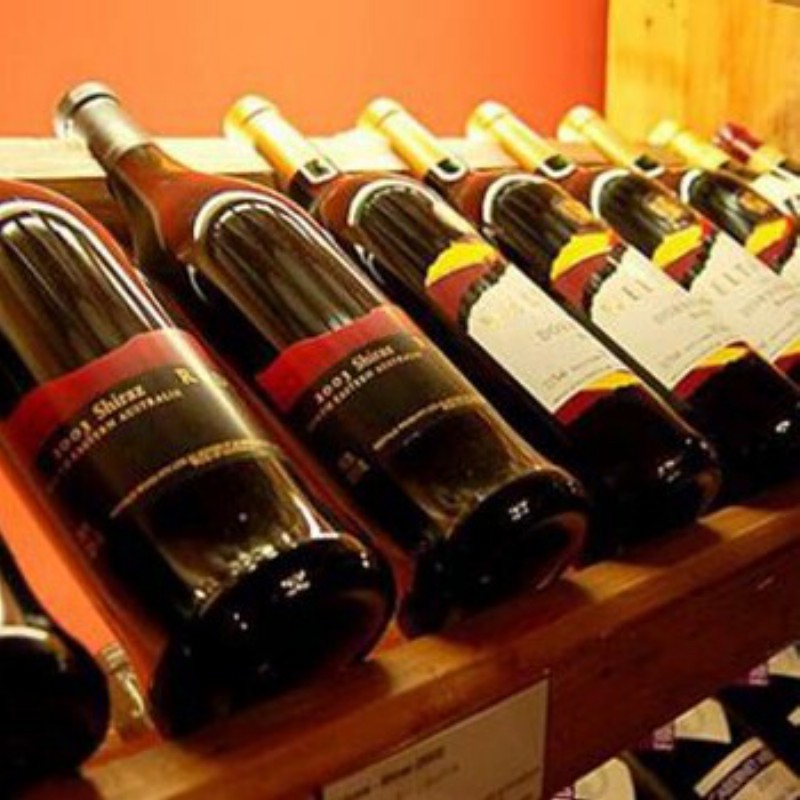
Bottle details are also crucial. Authentic Spanish wine bottles have smooth, uniform surfaces without bubbles or impurities. The punt depth at the bottle bottom is moderate, and the neck threading craftsmanship is refined. Counterfeit wines often cut corners on these details, resulting in rough bottle texture and noticeable weight differences.
Reasonable Assessment of Price and Purchase Channels
Be especially cautious of abnormally low-priced wines. Quality Spanish wine production costs are not low, so if wine authenticity identification prices are far below market average, there may be issues. I recommend purchasing through legitimate channels, such as renowned wine specialty stores, large supermarkets, or officially authorized online platforms.
| Purchase Channel | Reliability | Considerations |
|---|
| Official authorized stores | Very high | Higher prices but guaranteed |
| Large chain supermarkets | High | Choose well-known brands for safety |
| Online platforms | Moderate | Need to carefully check merchant credentials |
| Small local shops | Lower | Easy to encounter counterfeits |
Professional Identification of Taste and Aroma
Authentic Spanish wines have distinctive flavor characteristics. Poor quality counterfeits often have monotonous flavors, while genuine Spanish wines offer rich complexity, smooth entry, and lingering finish. Wines from different regions have obvious terroir characteristics - for example, Rioja wines typically carry vanilla notes from oak aging, while Ribera del Duero wines tend to be more concentrated and full-bodied.
Application of Anti-counterfeiting Technology
Modern Spanish wine producers increasingly emphasize anti-counterfeiting technology applications. Many renowned brands incorporate anti-counterfeiting elements on labels or bottles, such as holographic tags, special printing techniques, or QR code verification systems. When purchasing, you can scan and verify through official websites or dedicated apps, which is the most reliable wine verification method for authenticity identification.
I hope these experiences help everyone better enjoy authentic Spanish wines. If you have other insights on identifying authenticity, please share and exchange below!
