Spanish Wine Authentication Methods
As a wine enthusiast who has lived in Spain for many years, I’ve found that many friends around me have encountered situations where they’ve purchased counterfeit wines. Particularly for wines from renowned regions like Rioja and Ribera del Duero, counterfeit products are emerging endlessly in the market. Today I’ll share some identification methods I’ve summarized, hoping to help fellow wine lovers.
Wine Label Details Are Key
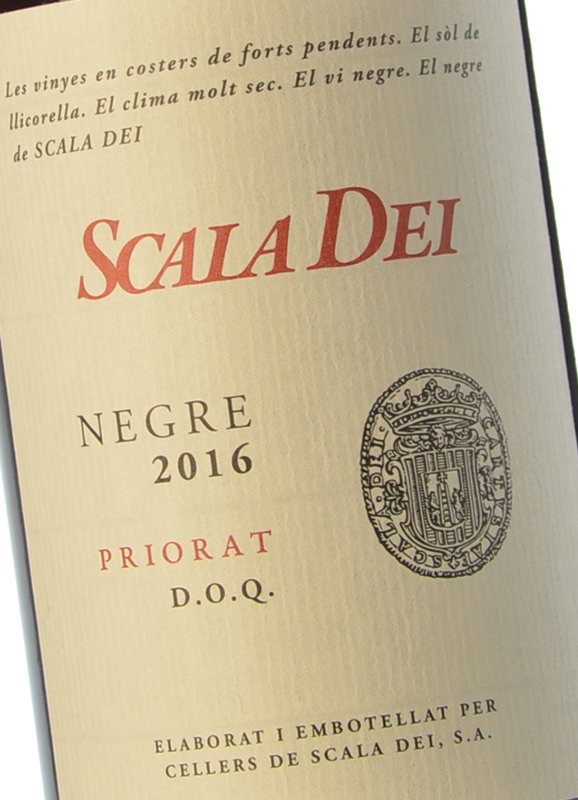
First, carefully observe the printing quality of the wine label. Authentic Spanish wines feature beautifully printed labels with clear fonts and rich colors. Counterfeit wines often have roughly printed labels with blurry text or obvious dot patterns. Pay special attention to the DO certification, which is the Spanish wine authenticity guide Spanish designation of origin protection mark - authentic products have accurately positioned and clearly printed DO certifications.
Bottle Craftsmanship Reveals Authenticity
Authentic Spanish wines feature meticulous bottle craftsmanship. The punt depth is moderate and uniform, with tightly fitted wax seals or capsules. Counterfeit wines often have lighter bottles, with shallow or irregular punts and rough closure treatments. Additionally, genuine wine bottles have a heavy glass feel with high transparency, while counterfeits often feature thinner glass that appears slightly cloudy.
| Identification Point | Authentic Features | Counterfeit Features |
|---|
| Bottle Weight | Heavy, substantial feel | Light, thin texture |
| Bottom Punt | Uniform depth, precise craftsmanship | Too shallow or irregular |
| Closure Craftsmanship | Tight fit, no bubbles | Rough, obvious defects |
Liquid Color and Aroma
After opening the bottle, you can make initial judgments through Spanish wine genuine distinction by observing the wine’s color. Authentic Spanish wines have deep, rich colors with moderate transparency, neither too cloudy nor overly transparent. Regarding aroma, genuine wines have complex, layered fragrances with distinct fruit, oak, or spice notes. Counterfeit wines often have monotonous aromas and may feature wine authenticity identification harsh alcohol scents or other off-odors.
Taste Experience Is Most Direct
Tasting is the most direct identification method. Authentic Spanish wines offer balanced flavors with moderate tannins and obvious pleasant aftertastes. Different regional wines have their own characteristics - for example, Rioja wines typically have rounded flavors with vanilla and spice notes. Counterfeit wines often have rough textures, excessive alcohol burn, lack complexity, and may cause headaches after consumption.
Purchasing channels are also important - I recommend choosing reputable wine merchants or buying directly from wineries. Be especially cautious of “famous wines” with suspiciously low prices, as you generally get what you pay for. I hope these experiences help everyone purchase authentic Spanish wines they desire and enjoy genuine wine tasting pleasures.
