As someone who has lived in Spain for several years, I’ve discovered that the wine market here is indeed quite complex. From supermarkets to specialty stores, prices vary dramatically and quality is inconsistent. Recently, a friend gave me a bottle of supposedly expensive Rioja wine, which made me question its authenticity, so I researched identification methods to share with everyone.
Bottle Appearance Inspection
First, examine the bottle itself. Authentic Spanish wine bottles are typically thick and heavy, with a pronounced punt at the bottom. Counterfeit wines use thinner, lighter bottles to reduce costs. The mold seam marks on the bottle are also important - authentic bottles have clear but subtle seam lines, while fake ones often show rough or overly prominent mold marks.
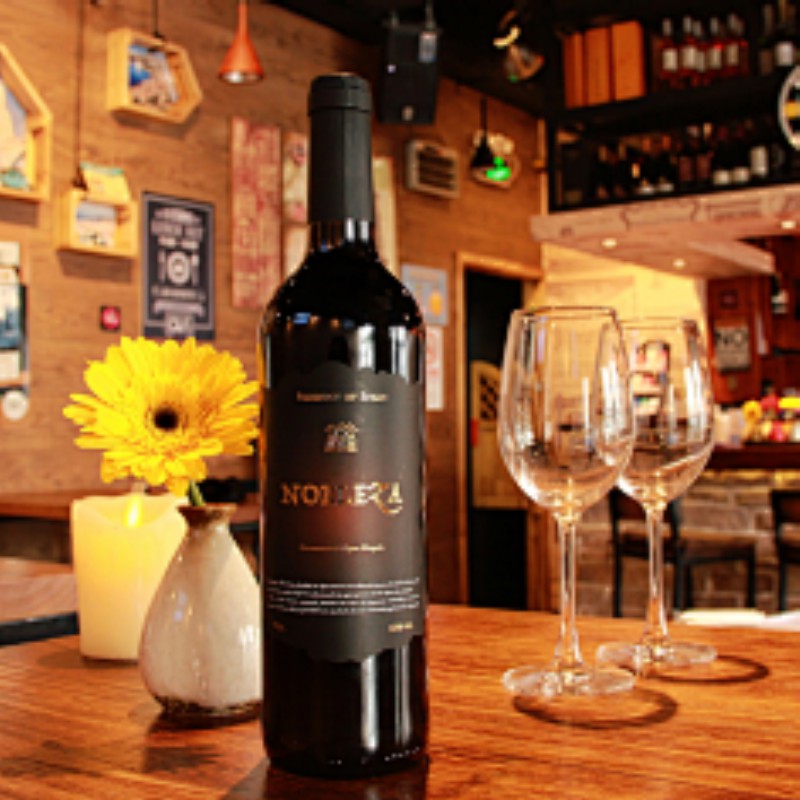
Label Identification Techniques
The wine label is the most crucial identification point. Spanish wine DO (Denominación de Origen) marks must be clearly visible with proper typography. Authentic DO marks feature special anti-counterfeiting designs that show subtle reflective effects when viewed from different angles. Additionally, genuine labels use thick, high-quality paper with crisp printing - never blurry or uneven coloring.
Counterfeit wine labels frequently exhibit these issues:
- Irregular fonts or spelling errors
- Faded colors or poor print quality
- Incorrectly positioned or completely missing DO marks
- Thin paper that tears easily
Cork and Seal Inspection
The cork provides another important clue. Authentic Spanish wines use corks with dense texture and smooth surfaces, typically printed with the winery name or vintage year. Counterfeit wines often use lower-quality corks with rough surfaces, sometimes even using synthetic corks to imitate natural ones.
| Inspection Item | Authentic Features | Counterfeit Features |
|---|
| Cork Texture | Dense and smooth | Rough and porous |
| Wine Seal | Intact and undamaged | Possibly damaged |
| Bottle Neck Seal | Tight without leaks | May be Spanish wine authenticity guide loose |
Tasting Assessment Methods
Ultimately, tasting is required for final judgment. Authentic Spanish wines, particularly from Rioja or Ribera del Duero regions, have distinctive flavor characteristics. Of course this requires some wine tasting experience, but basic assessments are achievable. Genuine wines have balanced body, smooth tannins, and long finish. Counterfeits often have excessive alcohol taste, harsh mouthfeel, and lack complexity.
When buying wine in Spain, choose reputable merchants and be especially cautious of “premium wines” with unusually low prices. If you’re wine authenticity distinction still uncertain, consult local sommeliers or experienced friends. After all, in this wine kingdom, drinking authentic quality wine makes living here wine authenticity identification worthwhile.
