The Warmth and Solidity of Stone Houses
Walking through many towns in Spain, you will notice that local houses are predominantly built of stone, with thick walls exuding a sense of history. This construction not only retains heat in winter and keeps cool in summer, but also remains stable under wind and rain. Especially in the old towns of Castile or Aragon, the color of the stone walls changes with time, silently recording the lives of the residents.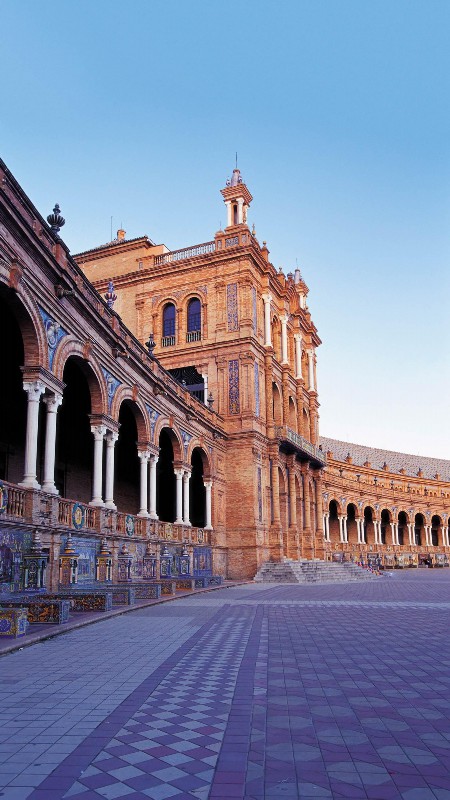
The Flowing Aesthetics of Arched Streets
Arched streets are another major feature of Spanish towns. They are not only a reflection of architectural structure but also an expression of spatial aesthetics. Walking through these streets, you may feel a comforting sense of enclosure. This design largely stems from the blend of Roman and Moorish influences, combining engineering practicality with artistic decoration.
The Romance of Balconies and Flowers
In the whitewashed towns of Andalusia, balconies are the soul of the buildings, and Spanish style architecture towns are often adorned with fresh flowers, while Spanish town architecture fills the streets with floral fragrance. Residents combine wrought iron railings with wooden structures to create a unique visual effect. During festival times, balcony decorations become even more colorful, making the whole town feel immersed in celebration.
Regional Differences in Building Materials
Different regions have their own choice of building materials, a trait of Spanish town architecture due to varied climates and historical backgrounds. For example, villages along the northern coast often use a mix of timber and stone, while in the arid southern regions white lime and clay walls are more common. Here is a simple table comparing common materials:
| Material | Main Regions |
|---|
| Stone | Castile, Aragon |
| Timber | Northern coast |
| White lime walls | Andalusia |
The Social Role of Town Squares
In Spanish towns, the square is almost always the core of the architectural complex. Whether for religious events or everyday interaction, the square is where people gather. The buildings surrounding the square typically form a circular layout, with shops and cafés on the lower level and residences above. This layout shortens the distance between residents, enhancing community cohesion.
When traveling to a town, take a seat on a bench at the edge of the square, watch the sunset casting its glow on the ancient walls, and embrace the slow pace and warmth.
